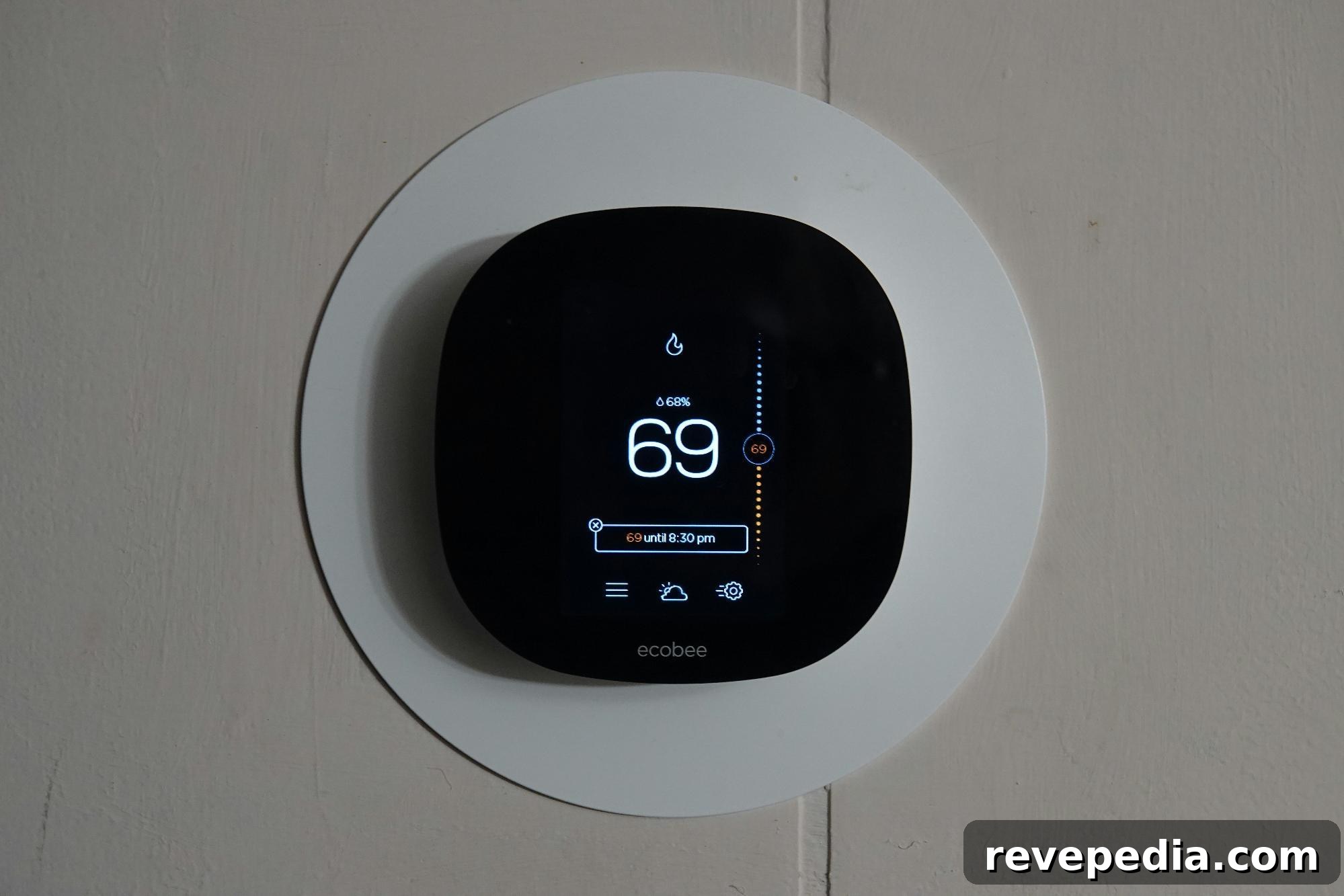
In an era where comfort and convenience dominate, how we regulate climate at home has become a central concern. Gone are the days of constantly adjusting dials and switches; today, households worldwide are adopting smart temperature control systems that fine-tune indoor environments with precision and ease.
These systems not only change how a home feels, they also optimize energy use and can reduce utility costs. Understanding the effects of these technologies clarifies how modern living spaces will evolve in the years ahead.
The Next Step in Home Comfort
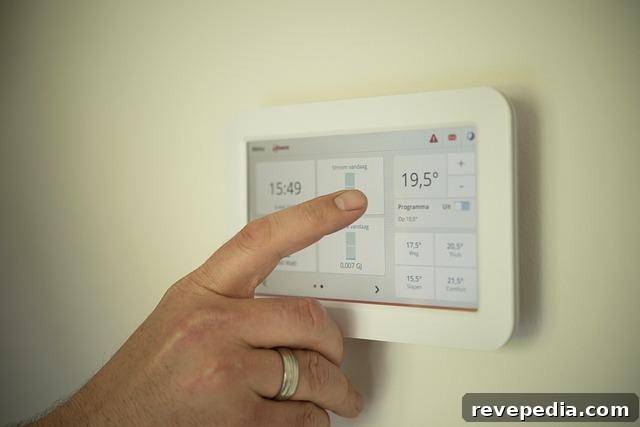
Smart thermostats mark a shift in indoor climate management. By using learning algorithms and adaptive controls, they maintain comfortable conditions without the constant manual input required by traditional systems. Picture entering a living room that automatically adapts to your preferred temperature depending on the time of day, outside weather, and whether anyone is home.
Beyond comfort, smart temperature systems offer meaningful energy savings. They reduce wasted heating and cooling by lowering output when the house is empty, pausing climate control when windows are open, or optimizing schedules to match daily routines. Numerous studies indicate homeowners can reduce heating and cooling costs by roughly 10–15% annually by using intelligent thermostats and related automation.
Regular maintenance remains important to preserve those savings and ensure system longevity. Professional services—such as local air conditioner repair and HVAC maintenance—help prevent unexpected failures and keep equipment operating efficiently through seasonal extremes.
Integration with other home systems is becoming increasingly seamless. Security systems, occupancy sensors, and smart door locks can work together with temperature controls to adjust settings automatically when people arrive or leave, improving both comfort and energy efficiency. This interoperability delivers a frictionless experience that adapts to real-life occupancy patterns.
Privacy and security are top concerns for many consumers. Manufacturers are responding by strengthening device security with measures such as advanced encryption and secure data handling to protect personal information. Transparent communication about what data is collected and how it’s used helps build trust and encourages broader adoption of smart-home technologies.
Tailored to Your Unique Needs
Households are diverse, and a single preset seldom meets every occupant’s needs. Customizable smart systems learn individual usage patterns and allow multiple user profiles, so family members can each enjoy preferred temperatures without repeated manual changes.
For environmentally conscious households, eco-modes and energy-saving profiles balance comfort with conservation. By analyzing local weather forecasts and user behavior, modern systems optimize heating and cooling to reduce energy waste while maintaining a comfortable indoor environment.
Advances in user interface design make these systems more accessible. Intuitive mobile apps and clear on-device controls mean even users who are not tech-savvy can configure schedules, set preferences, and update settings remotely. This ease of use removes barriers to adoption and encourages homeowners to take full advantage of available features.
Bridging Connectivity with Control
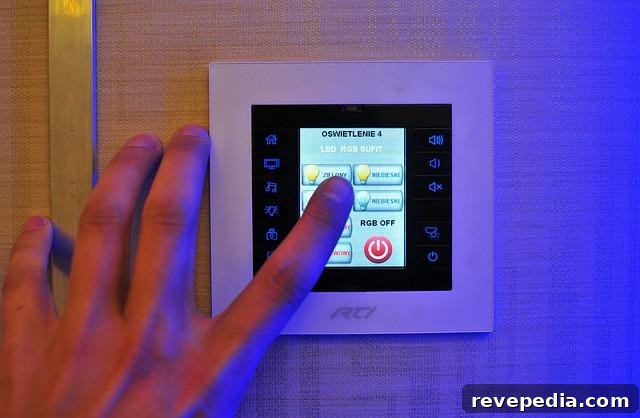
Deeper integration with the broader smart-home ecosystem creates a synchronized living experience. Many temperature control products are compatible with popular voice assistants, allowing users to change settings with simple commands like “set the living room to 72 degrees.” Voice control adds convenience and accessibility, particularly for users with mobility limitations.
Smartphone apps extend control beyond the home. Forgot to lower the heat before leaving for vacation? With remote access, you can manage settings from anywhere, delivering peace of mind and added savings. This remote capability is a practical example of how connected technology simplifies everyday life.
Partnerships between utilities and device makers are also expanding. When smart thermostats share energy-use data with utility companies—under user consent—homeowners can receive tailored recommendations, sync consumption to grid conditions, and participate in demand-response programs or incentives that lower costs and reduce strain on the electrical grid.
The Path Forward
The future for smart temperature control is promising as technologies continue to mature. Enhanced thermal sensors, improved remote access, and more capable AI will turn ordinary thermostats into central components of a connected, efficient home. While concerns such as cost and privacy remain valid, the advantages—improved comfort, lower energy bills, and a smaller environmental footprint—make smart temperature systems an appealing choice for many homeowners.
Ultimately, smart temperature controls reflect a broader trend of technology blending into daily life to promote comfort, efficiency, and sustainability. As these systems advance, they will reshape expectations about home comfort and help households adopt more responsible energy habits without sacrificing convenience.