
For homeowners in regions where storms and grid interruptions are common, the question of whether to buy a generator eventually becomes pressing. Often the decision arrives after a prolonged outage—when food spoils, a sump pump stops, or heating and cooling fail during extreme temperatures. Backup power can seem like an obvious solution, but choosing the right type of generator requires understanding how each option meets a household’s specific needs.
The difference between standby and portable generators goes beyond price and size. They address the same problem—restoring power—but do so with different installation needs, convenience levels, maintenance requirements, and capabilities. Knowing those differences ahead of time helps avoid overspending on unnecessary features or buying equipment that can’t reliably support critical loads.
Start With What Your Home Needs During an Outage
Emergency preparedness guidance suggests starting by listing which devices and systems must remain powered to protect health, safety, and property. Essential items commonly include medical equipment, sump pumps, heating and cooling systems, refrigeration, well pumps, and security systems. Identify what would cause significant damage or danger if it lost power for an extended period.
Households differ. A home on a private well or with a basement prone to flooding has different priorities than a residence on municipal water with limited flood risk. Define your critical loads first; that will determine whether a generator is necessary and how much capacity you should budget for.
Portable Generators: The More Accessible Option
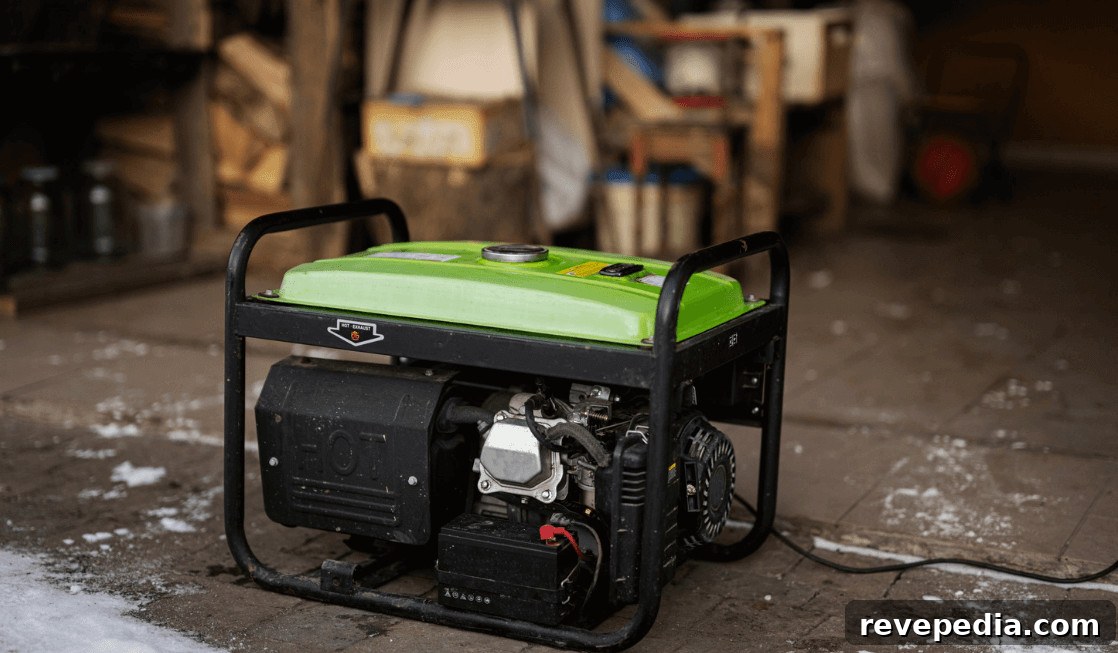
Portable generators are flexible and typically run on gasoline, diesel, propane, or multi-fuel designs. Stored when not in use, they are brought outside and connected during an outage. Depending on output, a portable unit can keep essentials—refrigeration, lights, phone chargers, and selected heating or cooling equipment—running. Required capacity depends on which loads operate at the same time.
There are practical limitations. Portable generators usually require someone to be present to set them up, and obtaining fuel can become difficult during widespread emergencies. They also produce carbon monoxide and must be operated outdoors, placed away from doors, windows, vents, and other openings so exhaust cannot enter the home.
Important safety guidance: never connect a portable generator directly to household wiring without an approved transfer method. Improper connections can backfeed onto utility lines, creating life-threatening hazards for utility workers and neighbors.
For many homeowners who only need to power a few essential items during occasional outages, a correctly sized portable generator offers a cost-effective solution without the expense or permanence of a standby system.
Standby Generators: When Automatic Backup Makes Sense
Standby generators are permanently installed outside the home and wired into the electrical system through an automatic transfer switch. They typically run on natural gas or propane. When utility power fails, the transfer switch starts the generator automatically and supplies electricity to selected circuits—or to much of the home, depending on system design.
The primary advantage of a standby system is convenience and reliability. There’s no need to roll out equipment, run extension cords, or be home to start the unit. Automatic operation is especially valuable if certain equipment must run continuously—sump pumps, well pumps, main heating systems, refrigeration—or if the homeowner travels frequently and cannot manage a portable unit during storms.
Local conditions affect the choice. Fuel availability, permitting rules, placement limitations, and common outage types vary by region. A site assessment by a qualified installer can determine safe placement, the best fuel option, and any needed permits or inspections. That assessment also helps match generator capacity to the homeowner’s prioritized loads.
The trade-off for that convenience is cost and commitment. Standby systems have a higher initial price, require professional installation, and need scheduled maintenance. For a household that only needs occasional, limited backup, the investment may not be justified. But for homes where continuous, automatic backup is important, a standby generator can be worth the expense.
Getting the Generator Size Right
Sizing a generator correctly is crucial whether you choose portable or standby. Capacity must cover both the continuous running wattage of simultaneously operating loads and the brief surge demands of motor-driven equipment such as refrigerators, pumps, and air conditioners. Those startup surges can determine whether a generator can reliably start and run a given appliance.
For modest portable setups, homeowners can estimate essential loads using appliance specifications and manufacturer guidance. For larger homes or standby installations, a professional load assessment is recommended to account for startup demands, circuit selection, and realistic backup targets.
What Maintenance Looks Like
All generators require maintenance. Portable units need regular oil changes and manufacturer-specified servicing, along with proper fuel handling and occasional exercising so they stay ready after long storage periods. Standby systems also require routine service: oil and filter changes, periodic test runs, inspections, and other manufacturer- or installer-recommended maintenance.
The main difference is responsibility. With a portable unit, the homeowner is generally responsible for every aspect of readiness. Standby systems may be covered by dealer maintenance plans or warranties that include periodic servicing. Either way, a generator left unused for months must be maintained so it will run reliably when needed.
Choose Based on What You Actually Need to Keep Running
No single generator type is ideal for every home. A portable generator may meet the needs of households that only require refrigeration, lighting, and a few essentials during occasional outages. A standby system is more appropriate when automatic backup is necessary or when critical equipment cannot tolerate interruptions.
Before storm season, list the equipment you truly need to keep running and note their power requirements. Compare generator capacity, fuel availability, installation needs, maintenance commitments, and the typical outage scenarios in your area. Planning in advance allows time to choose a safe, suitable system rather than buying in haste after the power is already out.