Walk through any home improvement forum and you’ll find the same upgrades discussed over and over: smart thermostats, LED lighting, new faucets, video doorbells, and accent walls. They’re visible, satisfying, and often worthwhile.
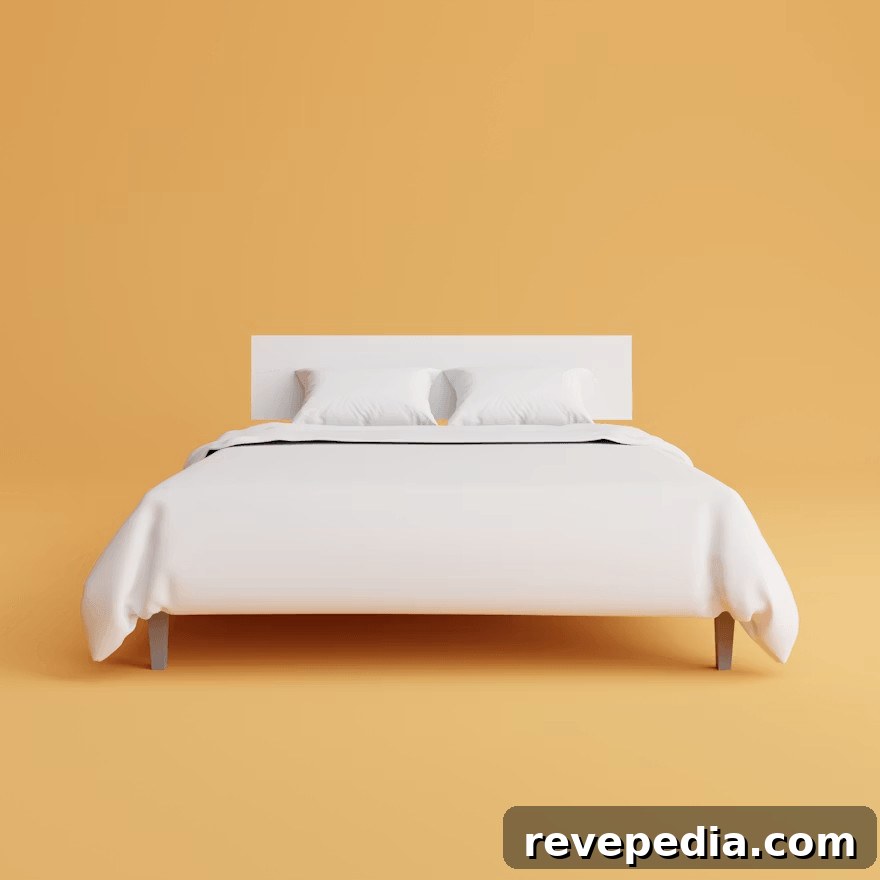
Yet the single most-used fixture in the house gets almost no scrutiny. The bed—the surface you touch for roughly eight hours each night—is frequently dressed in whatever sheet set was on sale years ago. We’ll spend an evening researching the right drill for a task we might do twice, but neglect the surface we touch for about 2,900 hours a year. If tools deserve careful specification checks, bedding deserves at least five minutes of the same attention.
Why Bedding Is a Genuine Upgrade, Not Just Decoration
Strip away the decorative framing and evaluate bedding the way you would assess any home upgrade: by contact, performance, and lifespan. Bedding performs strongly in all three areas.

Contact time: Nothing else in the home rivals it. At eight hours a night, sheets and pillowcases are against your skin for roughly 2,900 hours annually—more time than you spend in your office chair, car seat, and work boots combined.
Temperature control: Sleep is partly a thermal challenge. To stay asleep your body needs to release heat, and the fabric surrounding you can either help or hinder that process. The same principles of insulation and airflow used in heating, cooling, and weatherproofing apply here, but at bed scale. Breathable natural fibers provide passive climate control without added electricity.
Longevity: Cheap synthetic fabrics can pill and thin within a few years. Higher-quality natural fibers often last longer and tend to soften with regular use. Evaluated by cost per year, durable bedding can deliver a better balance of comfort and lifespan than many hardware upgrades that cost hundreds of dollars.
Materials, Marketing, and What Really Matters
Bedding shopping is frustrating because many products are sold with flattering adjectives instead of clear, measurable specifications. Words like luxury, 1,000 thread count, hotel quality, and easy care sound impressive but often fail to explain how the bedding will actually perform night after night.
Wrinkle-resistant or easy-care finishes may rely on chemical treatments. People with sensitive skin or those who prefer minimal processing should seek products with transparent manufacturing claims and clear standards.
To simplify your choice, concentrate on two primary factors:
Fiber: Natural fibers such as cotton and linen are generally more breathable, better at regulating temperature, and avoid releasing synthetic microfibers the way polyester can.
Weave over thread count: The weave often tells you more about how a sheet will feel than an inflated thread-count number. Percale typically feels crisp and cool, while sateen feels smoother and slightly warmer. Focus on the weave and construction rather than an unusually high thread count, which can be misleading.
Certifications Matter More Than Buzzwords
A practical way to evaluate bedding is to look for recognized certifications rather than relying on marketing adjectives.
GOTS (Global Organic Textile Standard) verifies organic fibers and enforces requirements across processing and manufacturing.
OEKO-TEX Standard 100 tests finished textile products for a range of potentially harmful substances and offers independent assurance about chemical safety.
Responsible brands usually display these certifications clearly. Less transparent manufacturers may use broad terms like eco-friendly, natural, clean, or non-toxic without defining what those words mean. When in doubt, favor explicit certification labels that correspond to recognized standards.
For straightforward explanations of materials and certifications, many bedding guides and manufacturer resources offer clear, tool-like checklists that help shoppers compare options based on data rather than marketing language.
Approach Bedding Like a Home Improvement Project
Treat buying bedding like any practical home upgrade: start where you’ll see the biggest impact, invest in lasting quality, and choose materials suited to your needs.
Upgrade the highest-contact layer first: Sheets and pillowcases touch your skin directly, so replace them before focusing on duvets, comforters, or mattress toppers. They usually deliver the most noticeable comfort improvement for the money.
Buy quality once: One well-made natural-fiber set may outlast several inexpensive synthetic sets. Although the upfront cost can be higher, the yearly cost often ends up lower when you consider durability and comfort.
Match the weave to how you sleep: If you sleep hot, percale or linen will allow more airflow. If you prefer a smoother, slightly warmer feel, sateen may be better. Choose based on how you sleep at home, not just how the fabric feels in a showroom.
Protect your investment: Wash bedding with a gentle, fragrance-free detergent, avoid dryer sheets that can coat fibers, and tumble dry on low heat. Simple, consistent care helps quality bedding remain comfortable for many years.
The Bottom Line
People routinely spend time and money on upgrades that reduce bills or add convenience. Those projects are often valuable and satisfying.
Yet one of the home improvements with the greatest daily physical impact is frequently overlooked because it doesn’t resemble a traditional renovation. Choosing breathable materials, minimizing unnecessary chemical treatments, and prioritizing durability improves the surface you sleep on every night.
Give bedding the same thoughtful attention you would give a power tool: review the materials, check certifications, select the right construction, and invest in a quality option. The payoff is simple—better sleep and a more comfortable bed night after night for years to come.