
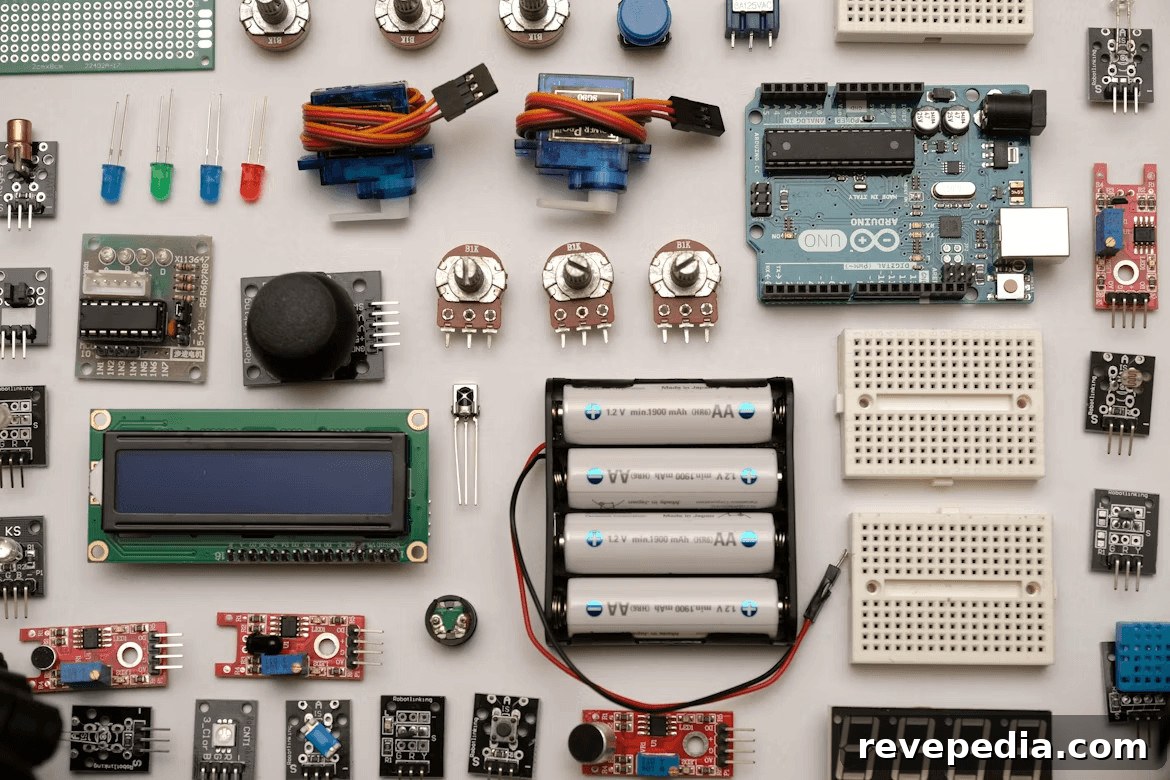
For DIY business owners, a practical grasp of basic electronics can greatly improve troubleshooting, project planning, and understanding of the products customers use every day. These skills allow you to diagnose issues more accurately, communicate effectively with tradespeople, and design solutions that integrate electronics safely and reliably.
Learning electronics does not mean every electrical task should become a DIY job. There is an important distinction between studying circuit behavior, building low-voltage projects, testing components, and performing regulated mains electrical work that must comply with local laws and safety codes.
A step-by-step approach works best: start with electrical fundamentals, learn to use essential test equipment safely, recognise when licences and codes apply, and then expand into areas such as smart-home technology and low-voltage systems suited to your business.
Build a Strong Foundation in Electrical Theory
Electricity becomes far less intimidating once a few core concepts are clear. Voltage is the electrical potential that pushes charge through a circuit, current is the flow of electrical charge, and resistance limits that flow. Ohm’s Law links these three concepts and is one of the most useful starting points for understanding how circuits behave.
It also helps to learn the difference between alternating current (AC) and direct current (DC). Household wiring generally uses AC, while many electronics, battery-powered devices, sensors, controllers, and small DIY projects operate on DC.
This foundation is valuable even if you never touch mains wiring yourself: it helps you diagnose low-voltage systems, choose appropriate components, and explain issues clearly to electricians or customers. Study basic controls such as switches, relays and sensors to understand how circuits are turned on and off without assuming every installation should bypass professional oversight.
Learn to Read Basic Electrical Diagrams
Circuit diagrams may look like a collection of unfamiliar symbols at first, but learning to read them saves time and reduces guesswork. Start by recognising common symbols for switches, resistors, relays, LEDs, fuses, batteries and power supplies, motors, sensors, and ground connections. Practice tracing the path electricity follows through a simple schematic.
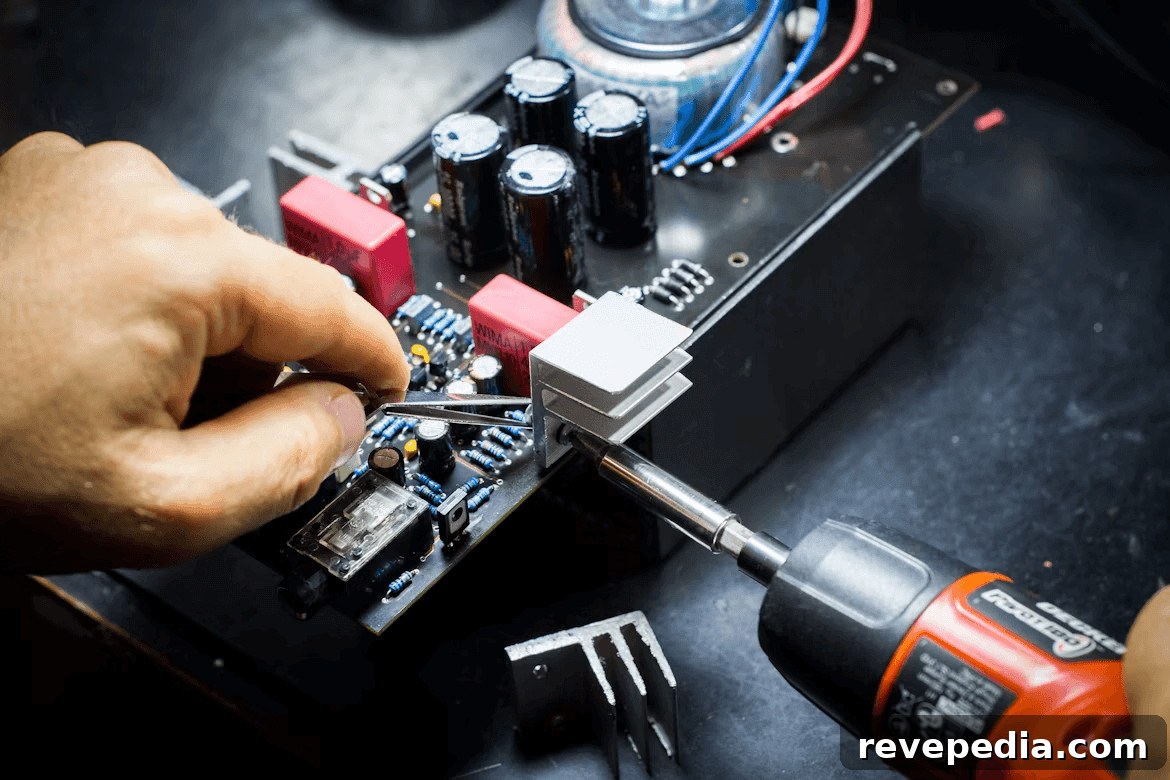
For a DIY business, reading wiring diagrams makes product manuals easier to interpret and speeds up troubleshooting for LED lighting, automation equipment, powered furniture, security devices, small motors, and low-voltage controls.
Invest in the Right Testing and Diagnostic Equipment
Effective troubleshooting replaces guesses with measurements. A quality digital multimeter is the first tool to master: it can measure voltage, current and resistance and verify continuity. Depending on your work, additional equipment such as oscilloscopes and specialised test instruments may be useful for advanced diagnostics.
Oscilloscopes are especially valuable when you need to observe how a signal changes over time, such as with sensors, controllers or more complex electronic circuits. But all test gear is only useful when used correctly: incorrect meter settings or improper connections can damage equipment and create safety risks. Learn each instrument’s modes and limitations before using it on unfamiliar circuits.
Create a Safe Practice Environment
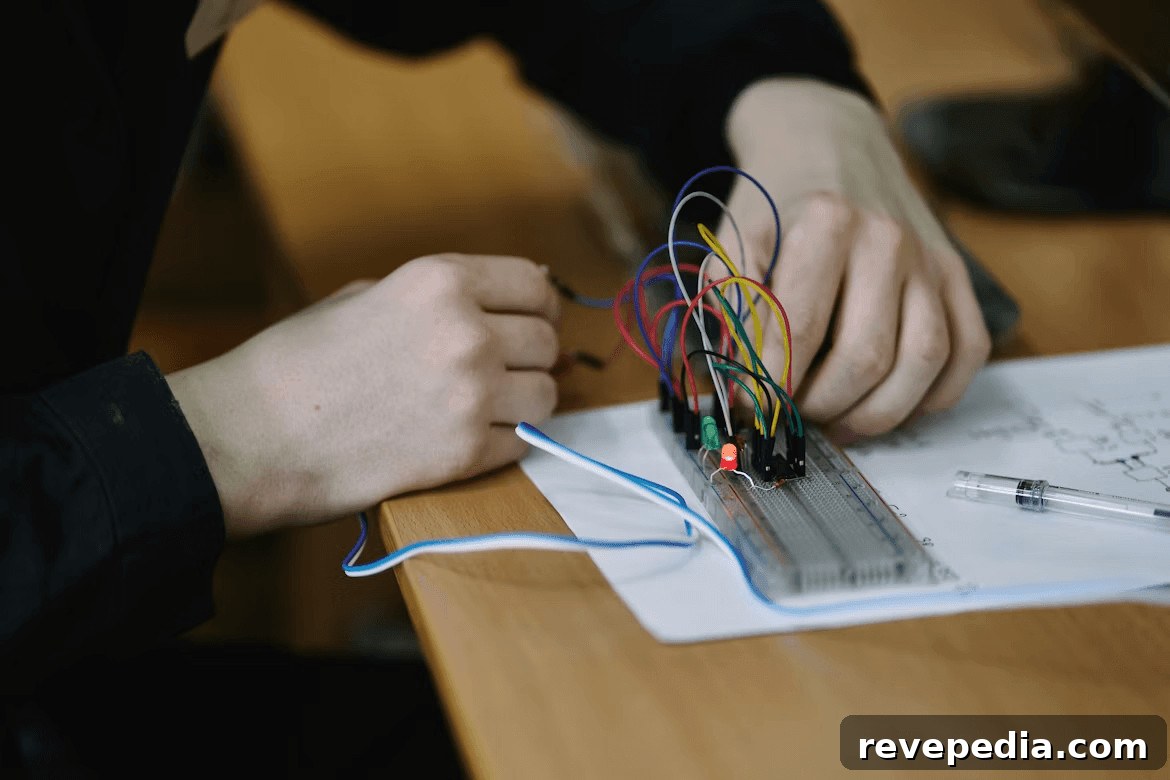
Don’t learn new electrical skills on a customer’s live system. Set up a small, well-lit workbench to practice low-voltage projects. Useful bench items include a low-voltage DC power supply, breadboards, jumper wires, LEDs and resistors, small switches and relays, sensors, a multimeter, basic hand tools, and small motors or fans.
This environment lets you practise continuity, polarity, switching, voltage measurement and simple troubleshooting without exposure to mains risks. You can also deliberately create faults—like a disconnected wire or wrong resistor—to sharpen diagnostic skills. Learning why something fails is often more valuable than simply following instructions that produce a working result.
Understand Electrical Codes, Regulations, and Best Practices
Clear boundaries are essential. Improperly designed or installed electrical systems can cause shock, fire, electrocution and equipment damage. National and local electrical codes exist to support safer design, installation and inspection. Local rules may require permits, inspections or work by licensed electricians.
Before offering electrical services professionally, determine whether your jurisdiction requires a licence, which tasks need permits, what inspections are required, what your insurance covers, whether modifications affect product warranties, and which jobs must be performed by a qualified electrician. Knowing when not to perform a task is as important as technical skill.
Separate Low-Voltage Projects From Mains Electrical Work
A safe path for expanding skills is to distinguish between low-voltage electronics and mains-powered wiring. Low-voltage projects—LED lighting systems, sensors, many smart-home controls, doorbells, some security devices, battery-powered tools, microcontrollers and automation prototypes—offer practical experience without immediate exposure to house wiring.
Even on low-voltage jobs, pay attention to manufacturer instructions, cable ratings and fire-safety considerations. These projects are a more manageable learning environment for building confidence before dealing with higher-risk mains work.
Expand Into Smart Home and Low-Voltage Technologies
Smart-home technology is a practical area where electronics knowledge adds real value. Modern homes use connected lighting, sensors, thermostats, cameras, speakers, doorbells, locks and automated controls. Understanding how these devices communicate and integrate helps you advise customers, select compatible products and plan installations.
Start by learning about Wi‑Fi and Bluetooth devices, smart lighting, motion and occupancy sensors, smart plugs, voice assistants, simple automation routines, low-voltage LED systems and basic home networking. Distinguish configuring and integrating devices from regulated electrical work—setting up software or networks is different from altering permanent home wiring.
Learn How to Troubleshoot Systematically
Effective troubleshooting uses a process of elimination. Instead of replacing parts at random, begin with basic checks: is power reaching the device, are connections secure, is the power supply providing the correct voltage, has a fuse opened, is a switch functioning, is the issue mechanical rather than electrical, or has a configuration changed? Test one assumption at a time to avoid wasted parts and unnecessary work and to provide clear explanations to customers.
Protect Your Tools and Components
Electronics components are sensitive to poor storage and handling. Keep parts organised and labelled, protect sensitive components from static discharge when necessary, and avoid leaving test equipment in damp environments or vehicles. Inspect leads and probes regularly—damaged test leads reduce accuracy and raise safety risks. Follow manufacturer guidance for rechargeable tools, batteries and chargers, and retire damaged items promptly. Professional habits often involve preserving ordinary equipment in dependable condition rather than owning the most expensive tools.
Know When Training Is Worth the Investment
Online tutorials are a great start, but structured training becomes valuable as projects grow more complex. Consider formal courses if you want to specialise in electrical troubleshooting, industrial controls, electronics repair, home automation, renewable energy systems, networking, building controls or professional electrical installation. Courses offer a coherent sequence of topics and practical assessment; if your goal is to offer regulated electrical services, research the licensing requirements in your area rather than relying solely on informal experience.
Use Electronics Knowledge to Improve the Work You Already Do
You do not need to become a licensed electrician for electronics skills to boost your business. A furniture maker who understands LED lighting can deliver better-integrated designs. A remodeler familiar with smart-home systems can plan technology-ready spaces. A workshop owner who knows sensors and switches can troubleshoot equipment more quickly. Contractors who speak electrical terminology clearly will coordinate more effectively with licensed electricians. These improvements often deliver the greatest practical value.
Build Skills Without Cutting Corners
Electronics knowledge can expand what your DIY business can do, but the goal is safer competence, not simply taking on more risky work. Start with electrical theory and low-voltage projects, learn to use a multimeter and other test gear properly, practice reading diagrams and troubleshooting, and explore smart-home technology where it complements your services. At the same time, respect the limits set by safety, licensing, building codes, insurance and experience. The most effective DIY professionals understand what they can handle, when to seek training, and when the right decision is to involve a qualified specialist.