
Picture a summer storm rolling in after a hot, sticky afternoon. Your instinct is to shut every window, yet within an hour the house feels stuffy, the laundry smells damp, and the bathroom mirror refuses to clear. Closing up keeps rain out, but it also traps heat and moisture inside.
Louvres give a smarter compromise. Their angled blades allow air to pass while diverting the majority of rain. But not every louvre performs the same in severe weather. Below is a clear explanation of how louvre ventilation works, why some designs resist water better than others, and what to consider before adding vents to your home, garage, or workshop.
Why Fresh Air Still Matters When the Weather Turns
Homes produce a surprising amount of moisture. Cooking, showers, drying clothes, and even breathing add water vapour to indoor air. Without a place to escape, that damp air settles on cool surfaces such as windows, wardrobe walls, and ceilings. Over time, mould, musty smells, and peeling paint can follow.
Stale air also holds more dust, allergens, and cooking fumes. Effective ventilation reduces these, improving comfort and indoor air quality even when the weather is poor. That makes weatherproof louvres an important tool: they let fresh air flow through wet days without letting the elements inside.
How Louvres Work
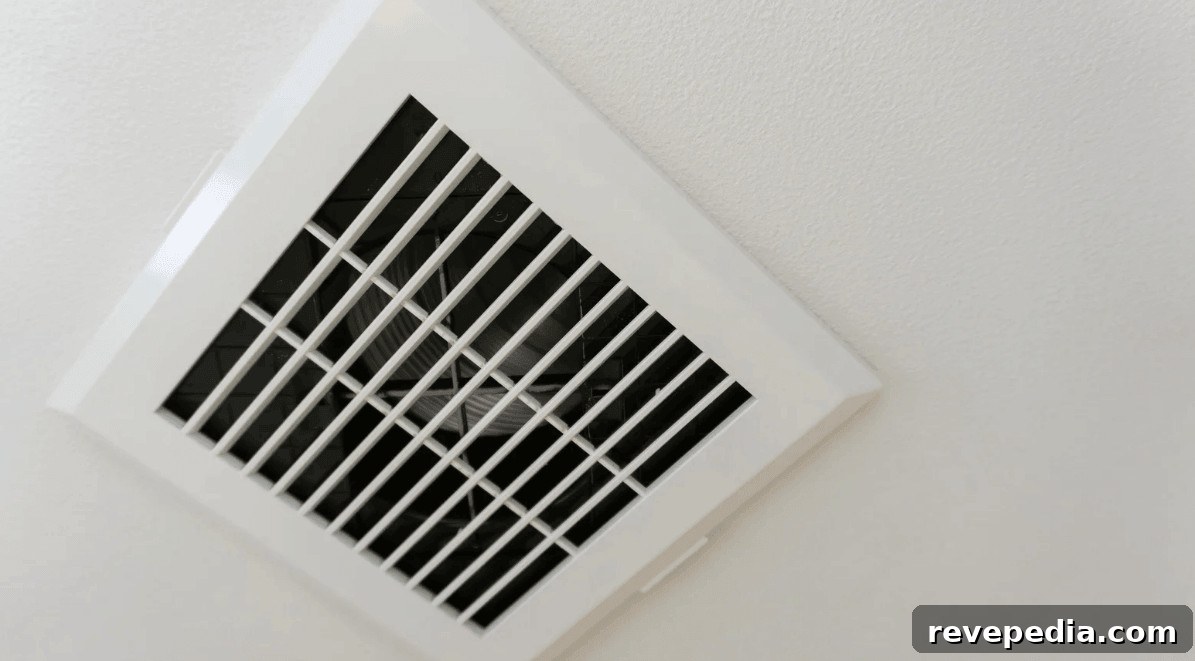
A louvre is a frame fitted with angled slats, typically installed in a wall, door, gable, or window opening. Air moves between the blades while the downward slope deflects rain away from the gap.
In light drizzle and calm conditions, most louvres perform adequately. The challenge appears when wind is involved. Strong gusts can push raindrops sideways or even upward, forcing water through simple blades and into the space behind them.
Blade angle is a compromise: steeper blades shed more rain but reduce the open space for airflow. Manufacturers refer to the usable opening as the “free area,” and it is always smaller than the overall louvre size. When comparing products, prioritize free area and airflow ratings rather than frame dimensions, because a large frame with little free area can ventilate worse than a smaller, well-designed unit.
Most louvres fit into three general types:
- Fixed louvres, with blades locked at a set angle—suitable for gables, sheds, and plant enclosures.
- Adjustable or operable louvres, which open and close by hand or motor—ideal for patios, windows, and controlled ventilation.
- Two-stage louvres, featuring a second row of blades behind the first—designed to resist wind-driven rain on exposed walls.
An additional option is the acoustic louvre. Its blades are lined or set deeper in the frame to absorb sound while allowing airflow, useful near pool pumps, air-conditioning units, or busy streets where noise is a concern.
What Makes a Louvre Truly Weatherproof?
Two-stage louvres manage sideways rain by using staggered blades. The outer row captures most water and drains it down the face; any droplets that pass through meet a second row—often with chevron or zigzag profiles—that traps and channels moisture away before it reaches the interior.
This concept scales from industrial applications to residential use. In commercial settings—plant rooms, switchboards, server spaces—airflow must be continuous but a single drip can be costly. High-quality two-stage designs demonstrate how blade shape, spacing, and drainage paths can deliver both airflow and weather protection, so similar principles are used in many residential vents and ventilated screens.
Where Louvre Ventilation Helps Around the Home
Louvres are useful in more places than many homeowners realise. Common applications include:
- Roof spaces and gables, where trapped summer heat builds up and can radiate into living areas.
- Garages and workshops, which collect fumes, dust, and humidity.
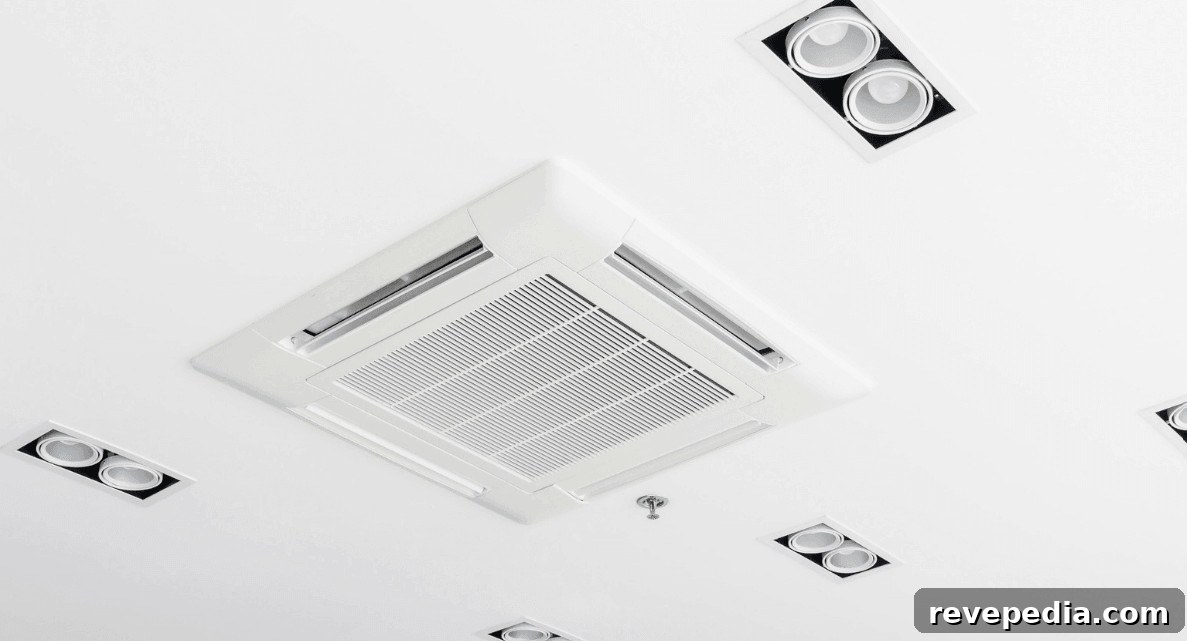
- Laundries and bathrooms, especially rooms without opening windows.
- Pool pump and hot water enclosures, which require airflow but are exposed to the elements.
- Outdoor entertaining areas, where adjustable louvre roofs balance shade, breeze, and shelter.
Roof spaces deserve particular attention. Heat absorbed by roofing during the day radiates down long after sunset; louvred gable vents or eave vents give that hot air an escape route. Proper attic ventilation also relates directly to home energy performance and comfort.
How to Choose the Right Louvre for Your Home
Before purchasing, work through a short checklist to narrow options and avoid costly mistakes:
- Check exposure. Coastal homes, hilltop blocks, and walls facing prevailing storms require stronger rain protection than sheltered spots under deep eaves.
- Match airflow to purpose. A small bathroom needs far less ventilation than a hot roof cavity or busy workshop.
- Ask for performance data. Reputable suppliers can provide rain penetration and airflow ratings—compare these figures rather than judging by appearance.
- Pick durable materials. Powder-coated aluminium resists corrosion, especially near salt air; timber requires regular sealing and maintenance.
- Add insect mesh. Fine mesh behind blades keeps out bugs, birds, and leaves without significantly reducing airflow.
- Plan for both intake and exhaust. Air needs somewhere to come in as well as leave, so pair high vents with lower openings where possible.
- Consider local regulations. In bushfire-prone zones, ember-proof mesh or specified vent types may be required—check building codes before installing.
Installation and Maintenance Tips
Installing a louvre into an existing wall or gable may look straightforward, but proper sealing determines performance. Gaps around frames let water bypass even well-designed blades. Use flashing above the opening and a sloped sill below to direct runoff away from the wall. If cutting through brickwork, cladding, or roof framing is needed, engage a licensed builder to protect structure and warranty.
After installation, louvres need minimal upkeep. A brief routine every few months keeps them effective:
- Brush away leaves, cobwebs, and debris between blades.
- Rinse coastal installations with fresh water to remove salt build-up.
- Inspect sealant around frames for cracks or gaps.
- Check mesh for tears or blockages.
- Test operable blades or motors ahead of storm season.
Breathe Easy Whatever the Weather
Keeping a home tightly closed during bad weather can feel safe, but fresh air is important year-round. Well-designed louvre ventilation offers both steady airflow and protection from rain. Start by identifying rooms that feel stuffy or damp, consider how exposed each wall is, and choose products backed by performance data. With the right louvres and routine maintenance, your home can stay fresh, dry, and comfortable—rain or shine.