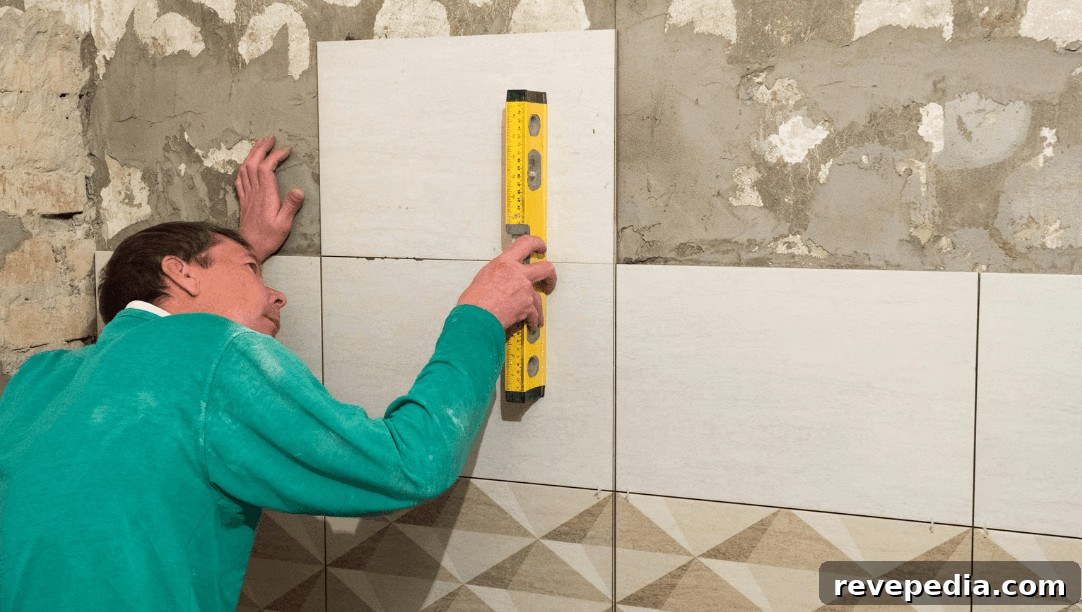
A tile can look perfect in a showroom and on a pallet, but within a few years it may crack at joints or produce a hollow sound when you walk across it. More often than not, those issues trace back to the installation rather than the tile itself. Choosing the right installer is therefore the most important step in protecting your investment. Below are practical points to consider before hiring a tile contractor and questions that reveal whether a tradesperson understands modern standards and best practices.
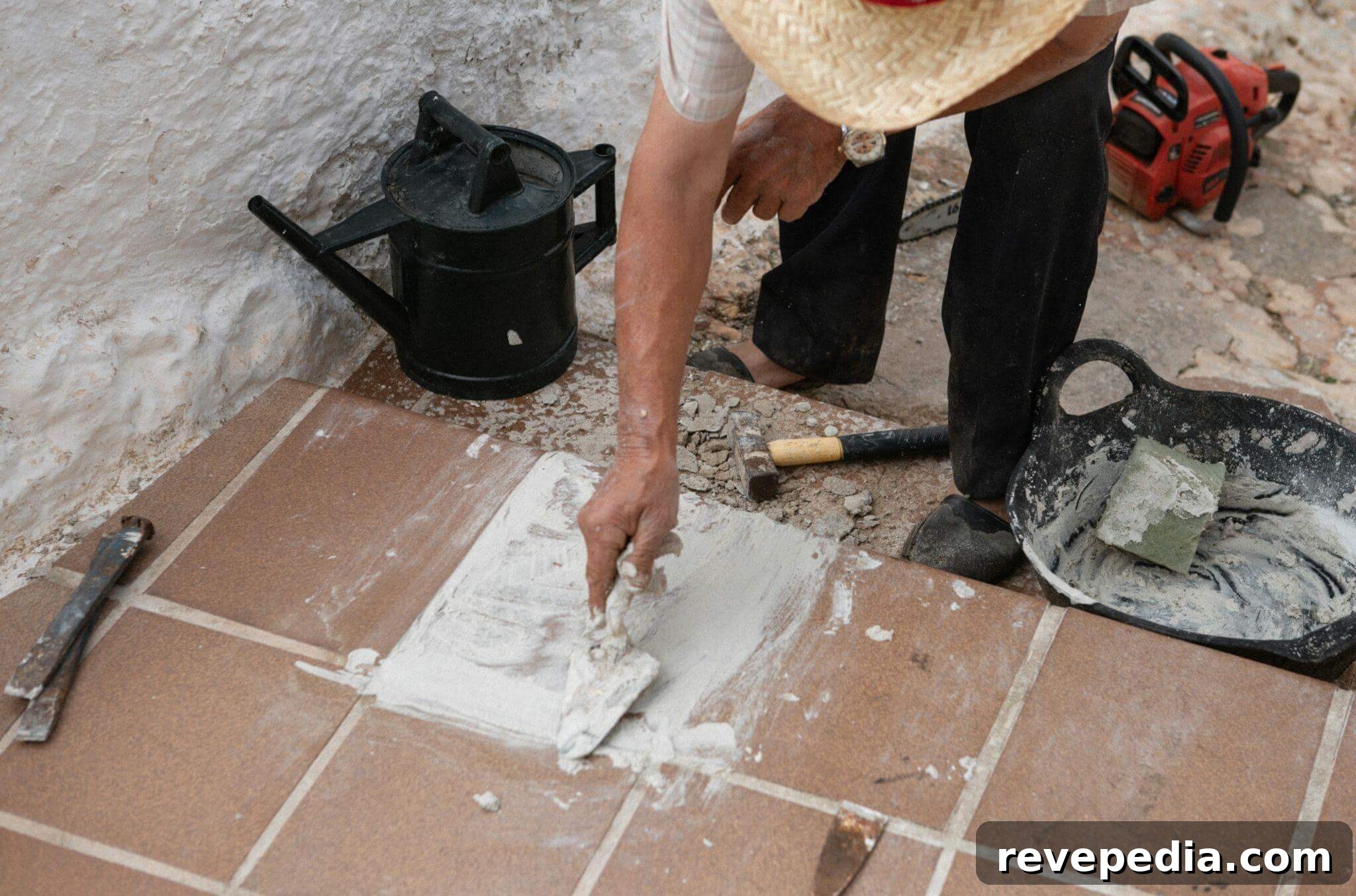
Key Qualifications and Certifications to Look For in a Tile Contractor
In the United States, tile installation is not federally licensed, so virtually anyone can offer the service. Because of that, industry-recognized certifications are the most reliable indicators of competence. One important credential is the Certified Tile Installer (CTI) program from the Ceramic Tile Education Foundation, which has evaluated installers since 2008. This certification focuses on practical ability and adherence to current installation standards rather than simply counting years of experience.
The CTI assessment includes a written exam and a supervised practical evaluation, with a high passing threshold designed to ensure consistent workmanship. Beyond CTI, advanced certifications target specific skills—large-format tile, traditional mortar beds, and shower pans—and are available to CTI holders or graduates of formal apprenticeship programs.
Company membership in the National Tile Contractors Association (NTCA), particularly Five-Star Contractor recognition, is another useful indicator that a business maintains up-to-date procedures and industry best practices. No credential can guarantee a flawless job, but certifications and association memberships significantly reduce the risk of outdated techniques being used on your project.
Essential Questions to Ask Before Signing an Installation Agreement
Good questions reveal how a contractor approaches the work rather than how well they can sell it. Before you sign a contract, make sure you clarify items such as:
- Which specific method from the Tile Council of North America (TCNA) Handbook will be used for your substrate;
- How shower waterproofing will be designed and which system will be installed;
- Who will perform the work on site—the contractor themselves, their regular crew, or subcontractors;
- How the price will change if a sagging or damaged subfloor is discovered beneath the existing covering.
The first question separates experienced installers from casual bidders: specialists who consult the TCNA Handbook know the correct method numbers and why one approach is chosen over another. Materials and methods vary depending on conditions—bathrooms, heated floors, and outdoor patios each require different tile and installation standards—so confirming the intended method prevents costly mistakes and premature failures.
Understanding Project Estimates, Cost Factors, and Material Standards
Tile estimates rarely boil down to a single price per square foot because many variables affect time and materials. Labor rates and overhead also vary by market; for context, recent industry data show wide ranges in labor costs and hourly rates across regions.
Standards such as ANSI A108 and the TCNA Handbook give measurable benchmarks for performance and finish quality. For example, ANSI defines acceptable lippage—height difference—between adjacent tiles: for joints between 1/16 and 1/4 inch the maximum lippage is about 1/32 inch, roughly the thickness of a credit card. This kind of measurable standard helps you evaluate completed work objectively rather than relying solely on aesthetics.
| Line item | Why it appears | Effect on the bid |
| Substrate flattening | Old subfloors rarely meet tolerance for flatness | Adds an extra day for leveling and preparation |
| Adhesive removal | Carpet and vinyl leave glue residues that inhibit adhesion | Grinding or chemical removal billed as separate prep work |
| Waste allowance | Cuts and breakage during layout and setting | Typically 10% waste for straight lay; higher for patterns like herringbone |
| Movement joints | Large slabs expand and contract with temperature and moisture | Requires sealant work and careful layout planning |
| Debris disposal | Demolition produces a lot of waste quickly | Haul-away or dumpster fees added to the final invoice |
These line items typically appear after demolition, so a contractor who discusses them up front is saving both parties time and frustration. Very low bids can be tempting, but a small price difference may indicate skipped waterproofing, insufficient leveling, or other shortcuts that lead to costly repairs later.
Where to Find Experienced Craftspeople and How Hiring Platforms Work
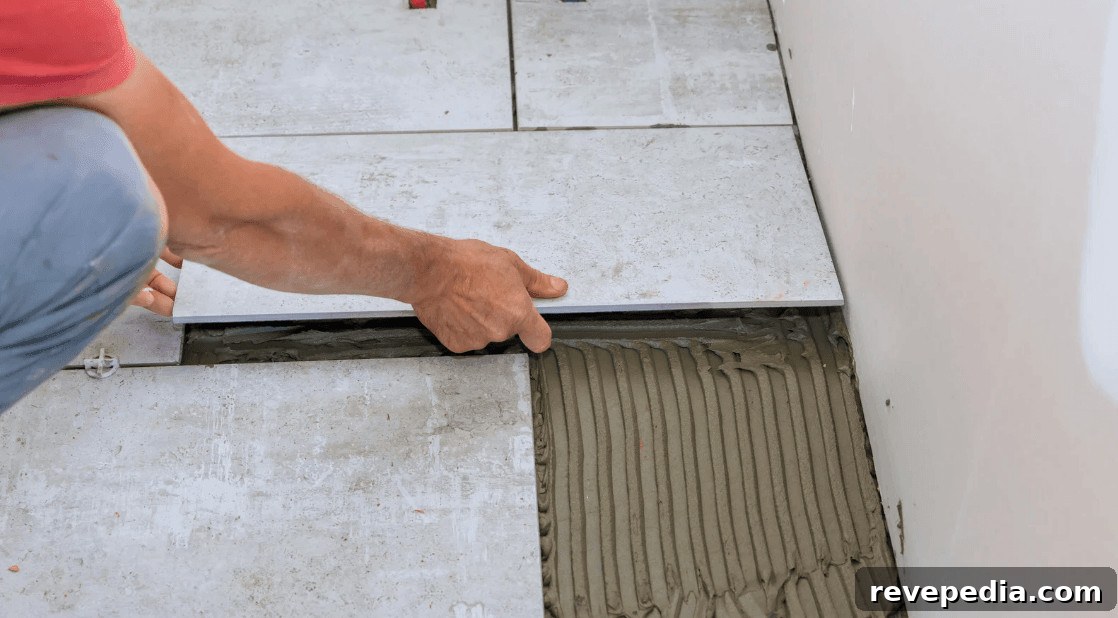
Finding an installer is often harder than choosing the tile, especially during busy seasons. Employment and job-posting platforms can illustrate market demand in a given city and help contractors recruit skilled setters. For homeowners, seeing active job postings and local wage data can help you understand whether a contractor’s quoted price is realistic for your area.
Labor statistics show that flooring installers and tile setters had a median income in the range typical for many construction trades, and the occupation is projected to grow modestly over the coming decade. Recruiting platforms offer tools for contractors—campaign analytics, job posting integrations, targeted ad placement, and budget management—that help firms scale and attract qualified labor. For homeowners, the practical takeaway is that reputable companies increasingly rely on formal hiring channels, which can improve consistency and availability of qualified crews.
Red Flags to Avoid When Hiring a Tile Installer
Some warning signs appear well before adhesive is opened. Avoid contractors who demand full payment in cash up front, refuse to provide a written contract, or decline to name the waterproofing products they plan to use. These behaviors suggest a willingness to cut corners or hide details.
Other red flags include a readiness to install tile directly over an old covering without inspecting the substrate, or promises to complete complex work—like a full bathroom—within an unreasonably short time frame. Conversely, an installer who asks to take measurements, check screed moisture, and allow time for proper preparation is protecting the durability of the finished job.
Confirm insurance and, where applicable, state or local contractor registration. Lack of insurance exposes you to liability if water damage or personal injury occurs. The simplest and most reliable verification remains: request addresses for recent completed projects and inspect the work in person, paying close attention to joints, inside corners, and waterproofed areas.
What Truly Protects Your Floor
The safest decision you make isn’t signing an estimate—it’s asking about standards, substrate preparation, and waterproofing details before hiring anyone. Look for certified installers, a clear, itemized estimate, and the ability to view completed work. These factors matter more than glowing online reviews alone. When installed to standard, tile can outlast many of the rooms it serves, delivering durable, long-lasting performance.