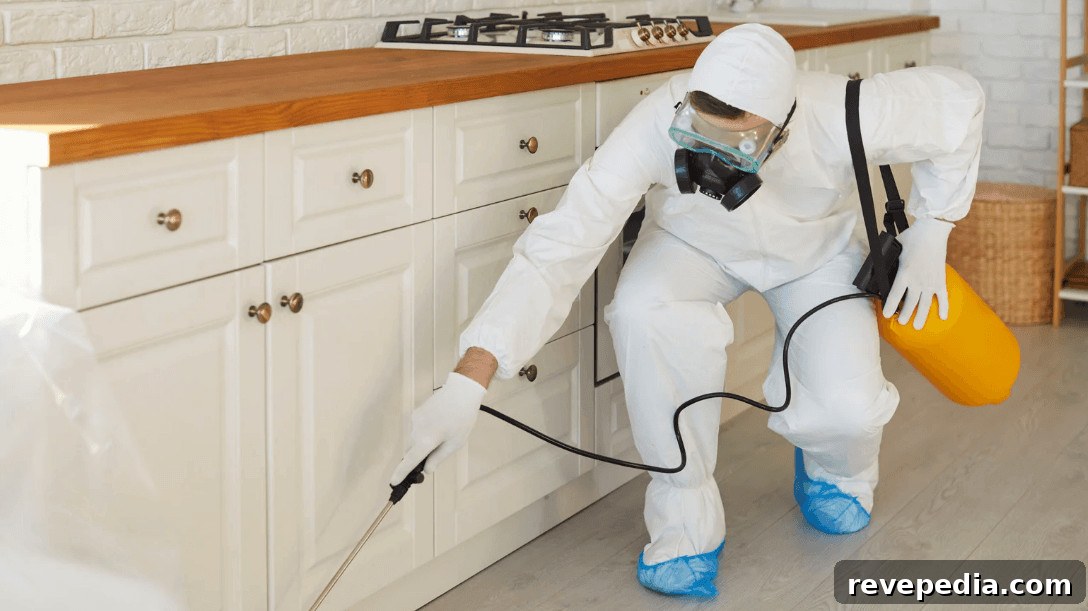
Picture a typical Saturday morning: coffee in hand, you stand in the garage staring at a shelf cluttered with caulk, weatherstripping, traps, and half-used cans of insect spray. A few ants appeared in the kitchen so you treated them. They disappeared for a while. Now they’re back.
For homeowners who prefer to handle repairs themselves, a do-it-yourself pest response can be a sensible first step. Small pest problems often respond well to straightforward actions: sealing gaps, removing food sources, fixing moisture problems, or placing a few traps. But when pests return repeatedly, another trip to the hardware store and another can of spray may not address the real issue.
Like a renovation that reveals a larger problem behind the drywall, recurring pest activity frequently signals something you can’t see. A nest might be hidden inside a wall, mice could be using an opening you missed, or moisture beneath a sink or in a crawlspace could be attracting bugs. Locating that source usually matters more than the brand of product you choose.
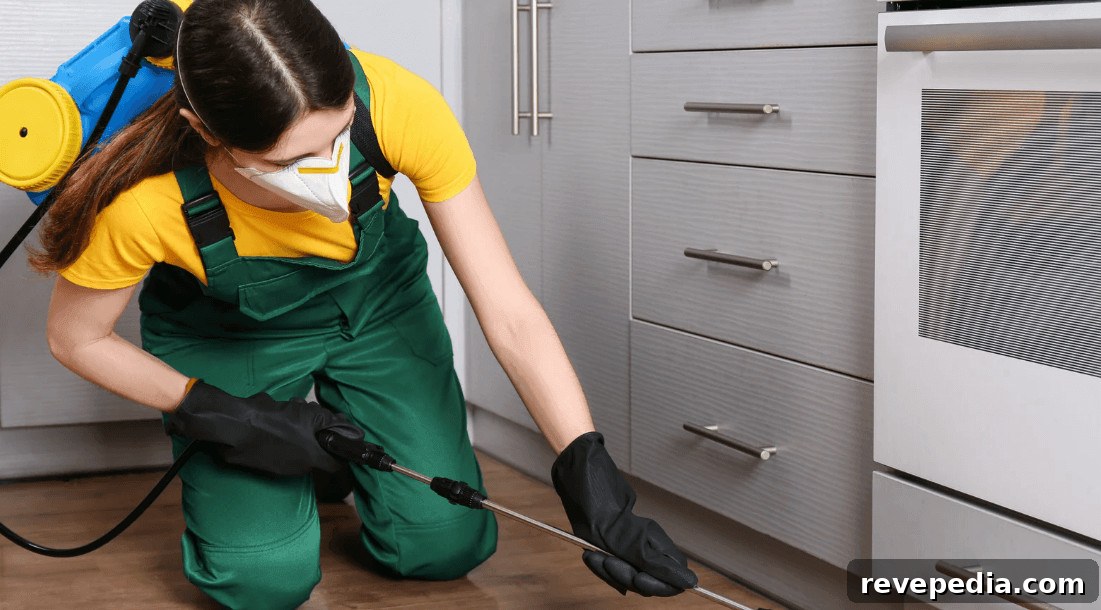
The DIY Pest Control Trap: Why Store-Bought Solutions Sometimes Fail
DIY pest control is effective for many situations. A few ants entering through an open window or a mouse that slips in through an obvious gap can often be resolved by finding and fixing the opening, removing attractants, and monitoring the area.
Problems become more complicated when you cannot find the source. Many over-the-counter sprays kill only the insects they directly contact, which can create the illusion of success while a nest remains behind a wall, under a slab, or in another inaccessible spot.
Rodent issues follow a similar pattern. Mice can squeeze through far smaller openings than most people expect. You might catch one in the kitchen while others continue entering through gaps around pipes, the foundation, the garage door, or utility lines. Adding more traps won’t close an unsealed entry point.
Factors such as local weather, vegetation, home design, and moisture also influence where pests appear. Homeowners facing persistent infestations may benefit from a local professional who understands which pests are common in the area and typical entry or hiding places.
For a stubborn infestation, identifying the nest, the entry route, or the condition attracting the pests is usually the most helpful first step.
The Hidden Cost of Incomplete Pest Treatment
One reason DIY pest control becomes expensive is that small purchases feel inexpensive in isolation. A can of spray here, a box of traps there—each seems minor. Repeat that process several times and the total adds up quickly.
The pattern is familiar: treat the visible pests, wait, see the activity return, and buy something else. Meanwhile, the foundation gap, leaking pipe, damp crawlspace, damaged screen, or opening around a utility line remains untreated.
Incomplete or mismatched treatments can also make problems worse. Some insect populations may develop resistance to commonly used products. Certain social insects can establish satellite colonies depending on species and treatment method. Rodents may avoid poorly placed traps and continue using alternate routes.
Then there’s the damage you might not notice until it’s severe. Termites and other wood-destroying insects can feed unseen for months. Rodents damage insulation, contaminate storage areas, and chew wiring. By the time visible damage appears, repairs can be far more expensive than addressing the infestation correctly in the first place.
When Should You Stop DIY Pest Control?
You don’t need a professional for every ant sighting. A better test is whether your DIY efforts actually change what you observe around the house.
Consider calling a professional if:
- Pests return soon after treatment.
- You observe activity in multiple rooms or distinct areas of the house.
- You hear rodents inside walls, ceilings, or the attic.
- You cannot identify where pests are entering.
- You suspect termites or other wood-destroying insects.
- Droppings, nests, or property damage persist.
- You’ve sealed obvious openings but activity continues.
- The treatment requires products or methods you are not comfortable using safely.
A pest sighting with an obvious cause is usually simpler to handle yourself. But if fresh droppings appear after you’ve sealed gaps and set traps, repeating the same treatments often just costs you another weekend without solving the problem.
What a Professional Inspection Can Find
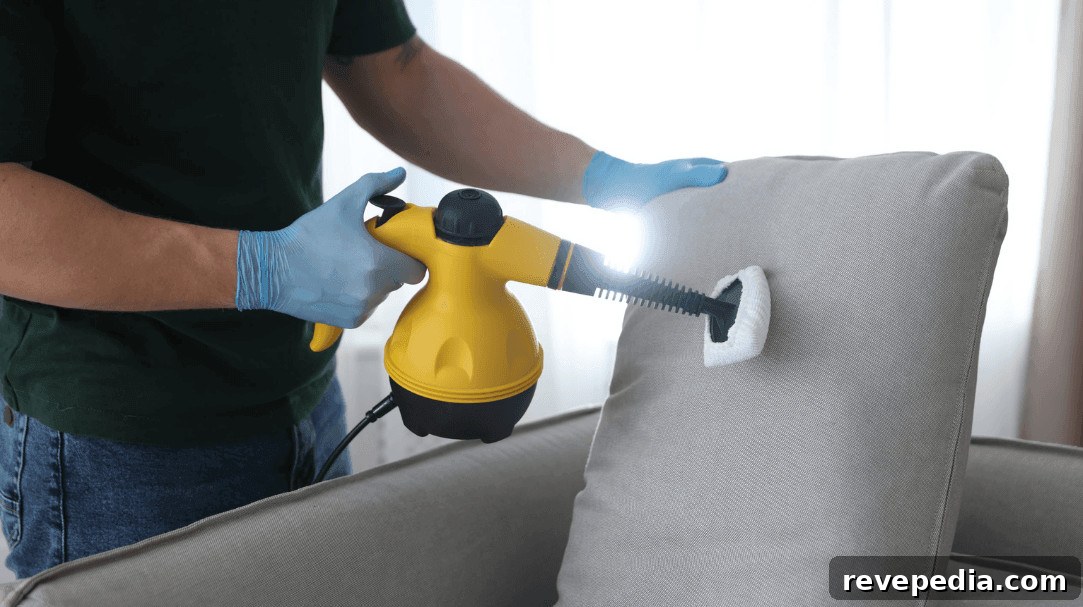
Hiring a licensed pest professional does not always mean immediate spraying. The inspection alone is frequently the most valuable part of the visit.
A trained technician will look for small foundation openings, gaps around utility penetrations, moisture sources, nesting areas, droppings, damaged materials, and other clues that help identify both the pest and its route through the home.
With the source clearer, responses can be targeted. Depending on the situation, that can include baiting, trapping, exclusion work, monitoring, sanitation changes, repairs to entry points, or selective pesticide use. Correct identification matters because a treatment effective for one species may do nothing for another.
Diagnosing the cause before repairing visible damage is a common principle in home maintenance: uncover and fix the root problem rather than covering it up with a cosmetic solution.
Does Professional Pest Control Save Money?
A bottle of spray or a pack of traps will almost always cost less than a professional service call. For a minor, isolated problem, that may be sufficient.
The calculation shifts when you repeatedly purchase products for the same infestation. Add the costs of sprays, traps, bait, multiple hardware-store trips, cleanup, repairs, and the hours spent checking whether each attempt worked. Those costs accumulate quickly.
Typical cost ranges homeowners might expect when comparing options include:
| Pest control cost or trend | Estimated figure |
| Homeowners who attempt DIY pest control | 74% nationwide (typical survey result) |
| Professional single-visit treatment | $250 to $650 |
| Quarterly pest control plan | $300 to $900 per year |
| Typical termite damage before detection | $3,000 to $5,000 |
These figures are representative estimates, not quotes; actual costs will vary by pest type, property size, location, and the scope of work. Still, they illustrate why the cheapest initial treatment is not always the least expensive path overall.
If you’ve already spent multiple weekends treating the same infestation, factor that time and inconvenience into your decision. Early professional help can be especially worthwhile when there’s a risk of structural or hidden damage—areas most homeowners rarely inspect thoroughly.
Factor in the Weekend, Too
DIY projects take time, but usually you finish with something tangible: a repaired gate, a sealed window, or a replaced faucet. Repeating pest treatments can feel less productive when you spend an afternoon spraying and setting traps, only to repeat the same work weeks later.
Keep the DIY approach when you can identify the cause and confirm your fix is working: seal the gap, remove the food source, repair the screen, dry out the damp area, and place the correct traps in the right spots. But when those measures do not change the activity, bring in a professional to locate what you missed. That will free up the next Saturday for a project you actually wanted to work on.