
Most homeowners plan and budget for visible upgrades: new flooring, fresh paint, kitchen renovations, improved lighting, and landscaping. Those projects are gratifying because you see immediate results. But the roof—though less glamorous—affects virtually everything beneath it: indoor comfort, energy efficiency, maintenance costs, and resale value. Paying attention to roof condition long before a visible leak appears saves money and stress over time.
If you’re considering roof repair across San Diego or elsewhere, don’t wait until water shows up in the ceiling. Begin the conversation when the roof starts to influence home performance, property value, or future plans. Early planning and timely maintenance deliver better options, clearer budgets, and longer-lasting results.
A roof is one of a home’s primary protective systems. Neglect allows small issues to grow into problems that affect insulation, ventilation, interior finishes, and even structural materials. Proper upkeep keeps the home more secure, more energy-efficient, and easier to manage over the long term.
Roof Work Is a Planning Decision
Rather than treating roof repairs as surprise expenses, approach them as part of a maintenance and planning cycle. You don’t need to wait for a leak to think about the roof. Factors like roof age, material type, prior maintenance, weather exposure, drainage patterns, and past repairs all inform when attention is needed. A roof that looks fine from the driveway can still have sections nearing the end of their useful life.
Planning ahead gives homeowners options: schedule work during favorable seasons, compare repair and replacement approaches, and choose solutions that match long-term goals. Roofing services range from inspections and targeted repairs to maintenance, re-roofing, tear-offs, and full replacements. Seeing roof care as a spectrum helps avoid piecemeal fixes when a more strategic solution is appropriate.
The Cheapest Fix Isn’t Always the Most Affordable
Low-cost patches can be appealing for minor damage, but roofing expense should be judged by expected lifespan, not the initial invoice. A quick, inexpensive repair that fails after the next storm can cost more in the long run than a properly executed solution. If moisture reaches decking, insulation, drywall, or framing, the cost of delay expands well beyond the roof itself.
A smart roofing decision answers three questions: what failed, why it failed, and how long the chosen solution will last. Without those answers, homeowners risk repeated temporary fixes instead of resolving the underlying issue. That said, the most expensive option isn’t always necessary—repairs should match the overall condition: a newer roof with a single damaged area can often be repaired, while an older roof showing widespread wear may warrant replacement.
How the Roof Affects Indoor Comfort
Though typically discussed as exterior protection, the roof has a direct impact inside the home. A well-maintained roof supports attic performance and insulation, helping regulate temperature and reduce energy costs. Compromised roofing materials, blocked ventilation, or heat buildup beneath the roof surface can make rooms harder to cool, raise utility bills, and allow moisture to collect in hidden spaces.
Homeowners should watch for subtle signs beyond visible leaks: uneven indoor temperatures, an overheated attic, persistent damp odors, or rising energy bills. These symptoms can indicate roofing-related issues and are worth investigating as part of a full home-performance check.
Re-Roofing as a Middle-Ground Option
Not every aging roof needs a full tear-off. In many situations, re-roofing—installing a new outer layer over an existing one—can refresh curb appeal, strengthen protection, and extend service life when the underlying deck and structure remain sound. Re-roofing can be a cost-effective middle ground between a simple repair and a complete replacement.
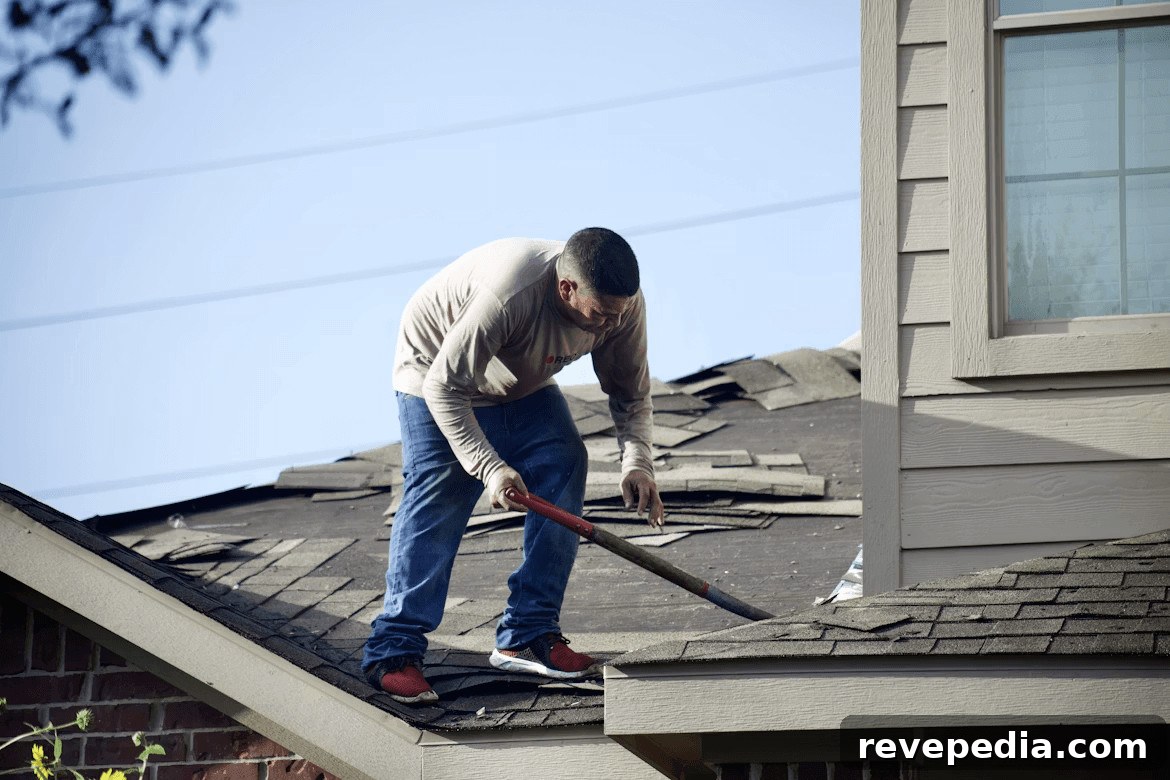
However, re-roofing is not appropriate if decking is damaged, moisture is trapped, or structural concerns exist. Covering an existing roof without addressing hidden problems may only delay a more costly repair. A proper assessment should confirm whether the existing base can support a new layer and identify any deeper issues that require correction before re-roofing.
Ask direct questions: Is the roof structurally suitable for re-roofing? Are there signs of concealed water damage? How long will the new layer realistically last? Would a tear-off be a safer long-term choice? Clear answers prevent a short-term improvement from becoming a long-term mistake.
Gutters and Drainage Matter
Roof problems are not always caused by the roof surface. Proper water management is essential. When gutters are clogged, sagging, undersized, or damaged, water can back up under edges, spill onto fascia, pool near the foundation, or stain siding. Poor drainage accelerates roof aging and can create symptoms that appear to be material failure.
Effective roof planning includes gutters, downspouts, valleys, slopes, and runoff patterns. A well-repaired roof still needs a clear path for water to leave the property; ignoring drainage risks repeating the same issues after repairs. Homeowners can monitor signs from the ground: water spilling over gutters, eroded soil below downspouts, staining on siding, loose gutter sections, or debris in roof valleys. These clues help identify drainage failures early.
Roof Decisions Influence Buying and Selling
A roof has a strong influence on buyer confidence and selling outcomes. Buyers notice roof age, visible wear, inspection findings, past leaks, and repair history. Even when interiors look excellent, uncertainty about roof condition can prompt renegotiations, repair requests, or lower offers.
For buyers, understanding roof condition affects budgeting and long-term planning. For sellers, documentation helps: inspection reports, maintenance records, repair invoices, and warranties can reassure prospective buyers that the roof has been cared for. Professional roof certification or an evaluation can add clarity when a homeowner wants documented proof of condition before selling or making major decisions.

Clear documentation—inspection reports, certifications, and maintenance histories—translates into buyer confidence and smoother transactions. Whether preparing a home for sale or buying one, treat roof condition as an integral part of the property evaluation.
Residential and Commercial Roofs Need Different Approaches
While both residential and commercial roofs protect buildings, their planning priorities often differ. Homeowners typically focus on leaks, comfort, curb appeal, and long-term value. Commercial property owners must consider tenant disruption, inventory protection, rooftop equipment, insurance requirements, maintenance schedules, and access control. Property managers and homeowners associations (HOAs) often need consistent documentation, predictable timelines, and budget-conscious plans.
A tailored approach respects the building’s purpose. Businesses may prefer phased schedules to limit disruption; homeowners often need clear communication about timing and noise; HOAs require standardized reporting. Roofing solutions should match the property type and stakeholder needs rather than being treated as one-size-fits-all.
Choose Repairs That Match the Future
The best roof repair is the one that fits the home’s future. A good repair solves the immediate issue while anticipating what will come next. If the roof has many years left, a focused repair can protect the home for a long time. If the roof is near the end of its service life, investing in a larger planned project often proves more economical than repeated temporary fixes.
Ask strategic questions: How long do you plan to stay in the home? Are you preparing to sell soon? Has the roof experienced multiple leaks? Are energy costs rising? Are gutters and ventilation performing properly? Treating the roof as part of a broader home strategy turns roofing from an emergency expense into a practical investment in comfort, value, and long-term stability.
A roof may never be the most eye-catching feature of a house, but it is among the most important. Early planning, informed questions, and repairs aligned with the roof’s real condition protect not only the structure but the comfort, efficiency, and resale value of everything underneath.