
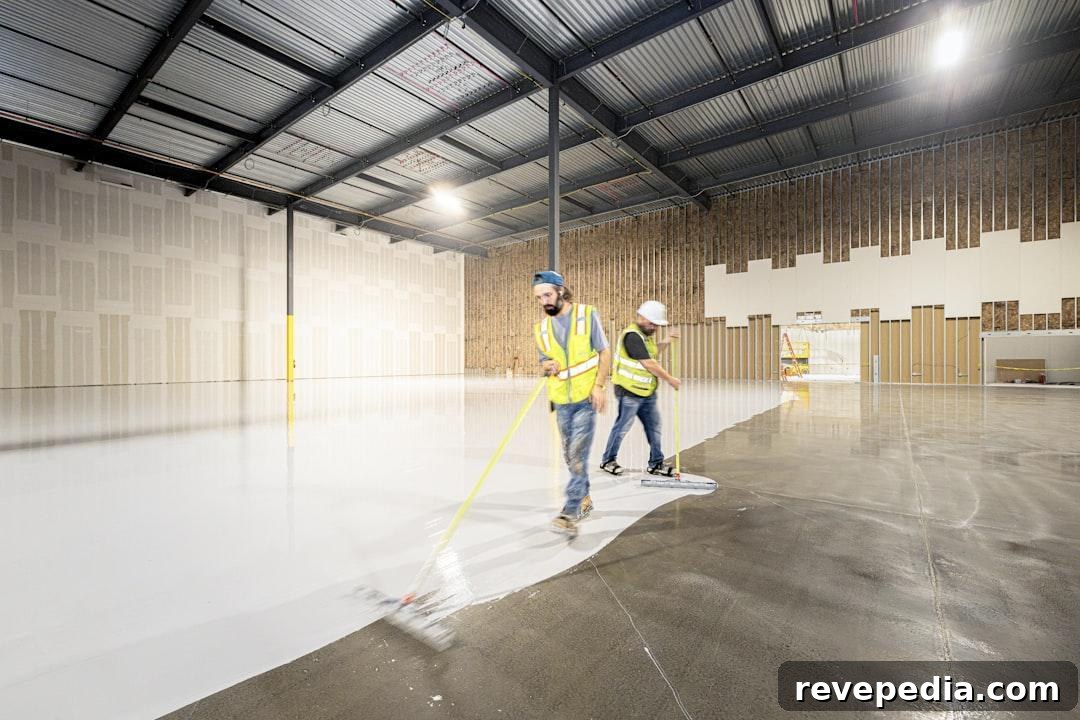
A mop and bucket work fine for small tasks, but when floors get large, busy, or heavily soiled, hand cleaning becomes slow, tiring, and often ineffective. That is the point where a floor cleaning machine delivers clear benefits: faster, deeper, and more consistent results across workshops, garages, gyms, shops, warehouses, and other large spaces.
Specialist suppliers and hire companies provide a wide range of machines designed to make big cleaning jobs manageable. This guide explains why machines matter, the main types available, how to choose the right model, and simple maintenance steps to keep both the equipment and your floors in top condition.
Why Manual Cleaning Often Falls Short
For a bathroom or a small kitchen, a mop is usually sufficient. The problems begin as floor area and foot traffic increase. Mopping tends to move dirty water around and struggles to lift ingrained grime, leaving dull, streaky results—especially on high-traffic flooring. By contrast, a floor cleaning machine scrubs to loosen dirt, then extracts the contaminated water, leaving a cleaner, drier surface in one pass. For areas over roughly 500 square feet or floors that see constant use, the time savings and improved finish are hard to ignore.
Main Types of Floor Cleaning Machines
The term “floor cleaning machine” covers several distinct categories, each engineered for particular floor types and cleaning tasks. Understanding these categories makes it much easier to select the right equipment.
- Scrubber dryers – wash and dry hard floors in a single pass; ideal for most commercial hard-floor cleaning.
- Sweepers – remove loose dirt, dust, and debris quickly over large areas.
- Rotary machines – used for scrubbing, polishing, and stripping floor finishes.
- Carpet extractors – deep-clean carpets and upholstery by injecting and extracting cleaning solution.
Scrubber dryers are the most common choice for hard floors because they combine agitation, cleaning solution, and vacuum recovery, producing a walkable surface within minutes. Sweepers are efficient where loose debris dominates, and rotary machines are the go-to for polishing or removing old finishes. Matching the machine to the floor surface and the type of soiling is the key to getting the best results.
How to Choose the Right Machine
With the machine types in mind, selection comes down to the specifics of your environment. Ask straightforward questions about the space and your cleaning needs—function should guide the decision.

Key factors to consider:
- Floor type – hard floors, sealed wood, concrete, and carpet all require different machines and settings.
- Area size – larger spaces benefit from wider, higher-capacity machines or ride-on models to improve productivity.
- Soil level – heavily soiled or oily floors need more aggressive cleaning and stronger recovery systems.
- Storage and transport – ensure you have space to store and move the equipment safely.
Also consider who will operate the machine. Walk-behind models suit smaller sites and are easier to store, while ride-on machines speed up cleaning across large warehouse floors. Choosing the right size and power not only improves performance but also extends the service life of the equipment.
Buy or Hire: Which Is Best?
Deciding whether to buy or hire a floor cleaning machine depends largely on frequency of use and budget. Both options have clear advantages.
- Buy – cost-effective if you need regular, ongoing cleaning; ownership provides immediate access whenever required.
- Hire – ideal for one-off deep cleans, special events, or occasional heavy-duty jobs; renting avoids long-term commitments.
- Try before you buy – hiring first is a practical way to test different models before purchasing.
- Budget – remember to include storage, regular servicing, consumables, and potential repairs in your cost calculations.
For businesses that clean daily or several times a week, owning a machine usually pays off within a year or two. For occasional use, hiring for a day or a weekend is often the most economical choice.
Maintenance to Keep Machines and Floors Healthy
A high-quality machine only performs well when it is properly maintained. Regular, simple care protects the investment and keeps cleaning results consistent.
After every use, empty and rinse recovery and solution tanks to prevent residue buildup and odors. Inspect and clean brushes, pads, and squeegees, replacing worn parts as needed. Store machines in a dry, temperature-controlled area and follow the manufacturer’s recommended service schedule. These basic habits reduce breakdowns, preserve cleaning performance, and help protect floor finishes from damage.
Keeping floors clean also improves safety by reducing slip hazards. Using appropriate cleaning products and methods for your flooring type preserves surface finishes and minimizes chemical exposure, supporting a safer environment for staff and visitors.
Clean Smarter, Not Harder
The right floor cleaning machine transforms a tedious chore into a fast, effective process. Recognize when manual methods are no longer sufficient, learn the main machine types, match equipment to your floors and workload, and maintain the machine properly. With the correct choice and basic upkeep, you’ll achieve better-looking floors with substantially less effort.
Frequently Asked Questions
Do I really need a floor cleaning machine?
It depends on your space. For small residential rooms, a mop can be adequate. But for large areas, busy commercial spaces, or floors with persistent grime, a machine saves time and delivers superior results. Generally, spaces over about 500 square feet or those with heavy foot traffic benefit most from mechanised cleaning.
Is it better to buy or hire a floor cleaner?
Frequency is the deciding factor. Buying makes sense for regular, ongoing use; hiring is more economical for occasional tasks or trialing equipment. Many users hire first to determine the ideal model and then buy if the machine proves a good long-term fit.
What machine is best for hard floors?
Scrubber dryers are typically the best option for most hard floors because they scrub and recover dirty water in a single pass, leaving the surface dry and safe to walk on soon after cleaning. Use rotary machines for polishing or stripping and sweepers for loose debris.
How do I keep a floor cleaning machine in good condition?
Regular, simple maintenance keeps machines reliable: rinse tanks after use, inspect and replace worn brushes and squeegees, store equipment in a dry location, and follow scheduled servicing. These steps prevent most problems and extend the machine’s useful life.