
Many homeowners begin exterior renovations by planning from the outside in: choosing siding colors, scheduling window replacements, and arranging gutters long before the roof becomes part of the conversation. That approach often creates avoidable problems.
Including a roofing contractor early in the planning process is one of the smartest steps a homeowner can take. The roof does not work in isolation—its condition influences flashing performance, water drainage, siding installation, and the overall schedule. A failing drip edge or damaged flashing can undermine new siding within a single season, no matter how well the rest of the work was executed.
Early roof assessment also clarifies project scope before budgets are locked in. A qualified roofer can determine whether repairs will suffice or a full roof replacement is required, and that distinction changes how other trades schedule their work. Ordering siding or locking in installers before deciding the roof question risks costly rework. Treating the roof as a sequencing priority rather than one more trade hire distinguishes durable renovations from projects that generate follow-up problems.
Why the Roof Should Come First
The roof is not just another item on an exterior checklist—its condition sets the parameters for everything else. Siding, gutters, windows, and flashing all connect to the roof in ways that make the roofline a planning prerequisite, not an afterthought.
This is particularly important in climates that experience freeze-thaw cycles and wind-driven rain. These conditions place sustained stress on roof assemblies, meaning an issue at the roofline can quietly compromise new siding or gutters in a very short time. Bringing a roofing contractor in early confirms whether the project requires repair or replacement before contracts are signed or materials ordered, and that single determination shapes the scope and timeline in ways no other early decision can match.
What Early Roofing Input Changes
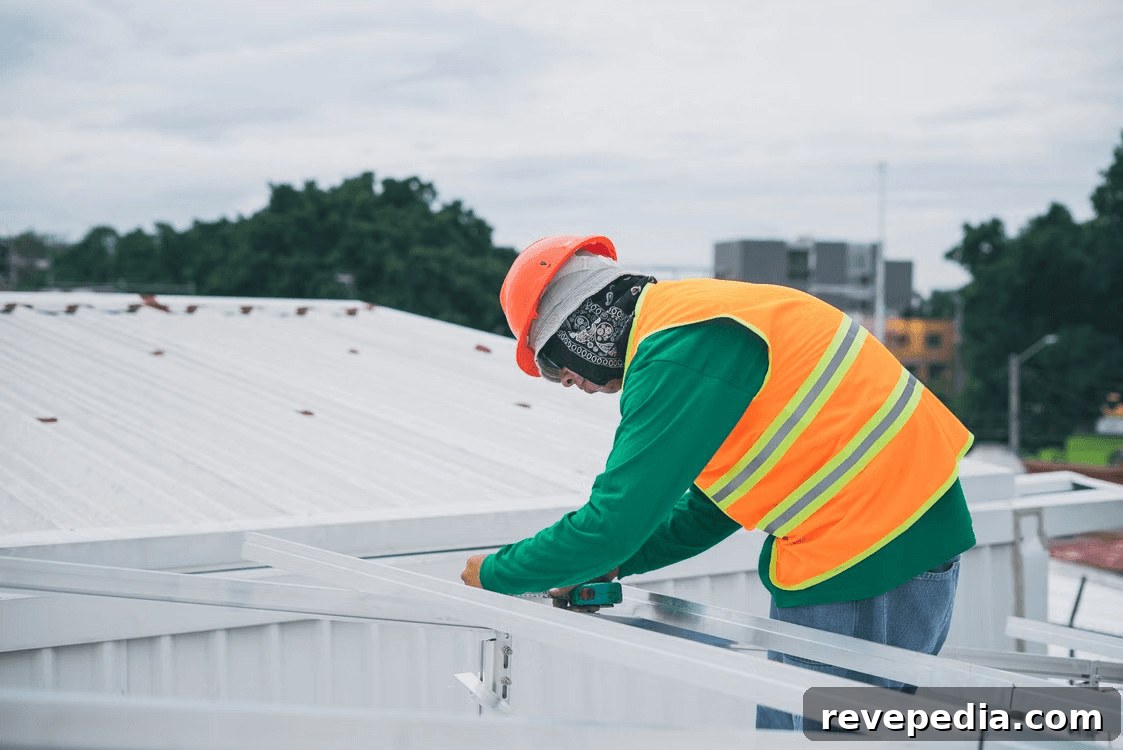
When a roofer is consulted before materials are ordered and crews are scheduled, subsequent decisions are far more grounded and less likely to require revisions.
Sequencing with Siding, Windows, and Gutters
Because the roof sits at the top of the exterior system, it influences how other trades sequence their work. Siding panels terminate at the roofline; gutters attach to fascia tied to the roof deck; and window flashing must interface with the water-shedding layer that runs beneath roofing materials. If those roofing details aren’t confirmed, contractors often have to revisit finished work.
The roofline establishes the reference for how siding terminates at the top of walls. If that termination point shifts because the roof deck requires adjustment or the fascia profile is changed, siding crews may need to re-cut panels or rework trim. Similarly, gutter placement relies on the final position of the drip edge, so early roofing input is important before gutter layouts are finalized.
Windows present another coordination challenge: the flashing above a window must tie into the roof’s water-management layers. Installing windows before the roof sequence is confirmed can create gaps in the drainage path, producing leak routes that are difficult to fix once multiple exterior finishes are in place.
Finding Issues Before Crews Overlap
A roof inspection early in the project uncovers problems that might otherwise appear mid-job, when correcting them becomes significantly more expensive. Damaged decking, inadequate ventilation, and compromised flashing are conditions that affect the budget and timeline of several trades, not just roofing.
Engaging a roofer before material orders are finalized lets structural concerns be documented and priced into the overall scope instead of becoming surprise add-ons. That early clarity reduces the likelihood of costly renovation mistakes that stem from crews working around an unknown condition.
Addressing ventilation and other energy-related issues while the exterior is open also avoids a second mobilization later, saving time and expense and improving long-term performance.
When to Call a Roofer vs a General Contractor
The right professional to contact first depends on the project. If the renovation involves suspected leaks, aging shingles, flashing failures, or a likely roof replacement, a roofing contractor should be the first call. These are specialist issues that shape how other exterior trades will sequence their work and typically require the roofer’s technical assessment.
If the project spans multiple exterior systems and requires centralized trade coordination from the start, a general contractor can lead the effort. A general contractor coordinates siding, windows, doors, and exterior trim and manages the broader workflow.
These roles are complementary rather than mutually exclusive. Many exterior renovations benefit from both: the roofer provides early technical input while the general contractor manages overall scheduling. When the building envelope is involved, early roofing expertise prevents sequencing decisions that assume an unresolved variable is already settled.
- Bring a roofing contractor first when the roof’s condition is unknown, insurance documentation is needed, or a replacement is being considered.
- Bring a general contractor first when the roof is confirmed sound and the project involves multiple exterior trades requiring centralized coordination.
How to Vet a Roofer Before Work Begins
Selecting a roofer early requires more than comparing price quotes. A few targeted checks at the outset will reduce risk later on.
Start with basics: verify the contractor holds appropriate licensing and carries both liability and workers’ compensation insurance. Licensing rules vary by jurisdiction, so confirming local compliance matters. The roofer should also have a verifiable local business presence—more than just a phone number.
Ask about workmanship warranty terms, how scope changes are documented, who pulls permits, and what the payment milestones look like. Vague or evasive answers on these points are a warning sign.
Watch for red flags such as:
- Estimates without a clear written breakdown
- High-pressure sales tactics after storm events
- Difficulty contacting the contractor before work begins
Check reputation through local business review sources and ask for references. A contractor who communicates clearly during the quoting stage will usually maintain that standard throughout the project.
What This Looks Like in the Greater Toronto Area
The Greater Toronto Area has climate and market factors that make early roofing decisions especially important. Freeze-thaw cycles in winter and spring, combined with wind-driven rain in transitional seasons, place sustained stress on roofs. That exposure increases the consequences of sequencing errors when other trades start work too soon.
Renovation schedules in the GTA tighten during peak season: roofing and siding crews commonly book weeks in advance through spring and summer. A delayed decision about roof repair or replacement can compress the overall timeline and push other trades out, increasing costs and complexity.
Permits and code requirements add another planning layer. Pulling the right permits early—particularly when a roof replacement ties into energy-efficiency upgrades—keeps the project compliant and prevents holdups that ripple through subsequent work. Homeowners planning long-term roofing materials will benefit from factoring these local realities into the timeline from the outset.
Plan the Roof Before the Rest of the Exterior
Exterior renovations run more smoothly when the roof is treated as the starting point. Confirming roofing details before siding, gutters, and windows are finalized avoids rework, schedule conflicts, and unexpected costs.
Early engagement with a roofing contractor keeps the project timeline realistic and the scope clear. It surfaces repair or replacement needs before other trades are committed, which is where most sequencing conflicts begin.
For homeowners in the Greater Toronto Area or similar climates, the simplest and most effective step is to obtain a roof assessment before finalizing any other portion of the project budget.