
The modern home is undergoing a meaningful transformation. Beyond cosmetic interior updates, architectural improvements, and the integration of smart home technology, a quieter but significant shift is taking place in our most private spaces: the bedroom. Increasingly, homeowners are moving away from conventional, chemically treated linens and choosing eco-friendly bedding made from natural fibers. What’s driving this change?
As public awareness of environmental and health concerns grows, the idea of “luxury” in the home has evolved. Luxury today often means more than high thread counts or elaborate design; it includes sustainability, wellness, and ethical sourcing.
Eco-bedding—crafted from materials such as bamboo, organic cotton, hemp, and eucalyptus—combines comfort with environmental responsibility. These textiles promise not only a more restorative night’s sleep but also a reduced environmental footprint and improved personal health.
This article explains the key reasons behind the rise of eco-bedding, looking at environmental impacts, health benefits, and the long-term economic advantages that are convincing many homeowners to switch.
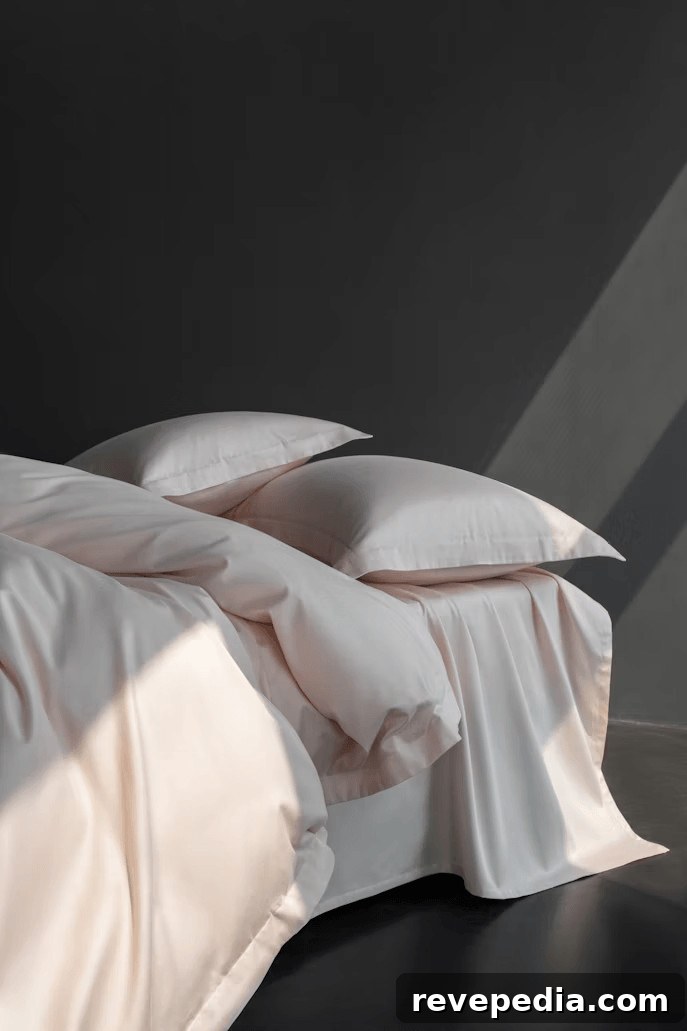
The Bamboo Boom: A Case Study in Sustainable Luxury
Bamboo processed into fabric—particularly when produced in modern, closed-loop systems that recycle water and avoid toxic solvents—yields a soft, luxurious textile. Bamboo sheets are often compared to high-thread-count silk or cashmere for their drape and softness. They resist static, maintain their feel wash after wash, and provide an immediately noticeable upgrade in sleep comfort for many users.
Consumers evaluating bamboo bedding should review verified customer feedback and product reviews to confirm claims about durability and comfort. Real-world experiences can give insight into long-term performance, helping shoppers choose reputable brands and high-quality eco-bedding that delivers both comfort and longevity.
The Environmental Cost of Conventional Bedding
Understanding the rapid growth of eco-bedding requires examining the hidden costs of traditional options. Conventional cotton production can be extremely water-intensive; estimates suggest producing one kilogram of cotton can require thousands of liters of water. When applied to a full bedding set, the cumulative water footprint becomes substantial.
Synthetic fabrics like polyester and microfiber are petroleum-derived and energy-heavy to produce, releasing greenhouse gases during manufacturing. Additionally, washing polyester releases microplastic fibers that bypass wastewater filters and enter rivers and oceans, contributing to marine pollution. Choosing biodegradable, sustainably produced materials helps reduce water consumption, pesticide runoff, and microplastic pollution.
Comfort and Advanced Temperature Regulation
While environmental concerns motivate many buyers, bedding must still deliver comfort. Natural fibers have structural and thermal properties that synthetic materials often cannot match. Human body temperature fluctuates across sleep cycles, and poor-performing fabrics can trap heat and moisture, leading to night sweats and disrupted sleep.
Natural fibers such as bamboo and eucalyptus (Tencel) offer excellent breathability and moisture-wicking performance. They adapt to the body’s microclimate, pull moisture away from the skin, and allow quick evaporation. This thermoregulation helps sleepers remain cool in summer and comfortably insulated in winter, supporting longer, deeper, and more restorative sleep cycles.
Hypoallergenic Benefits and Skin Health
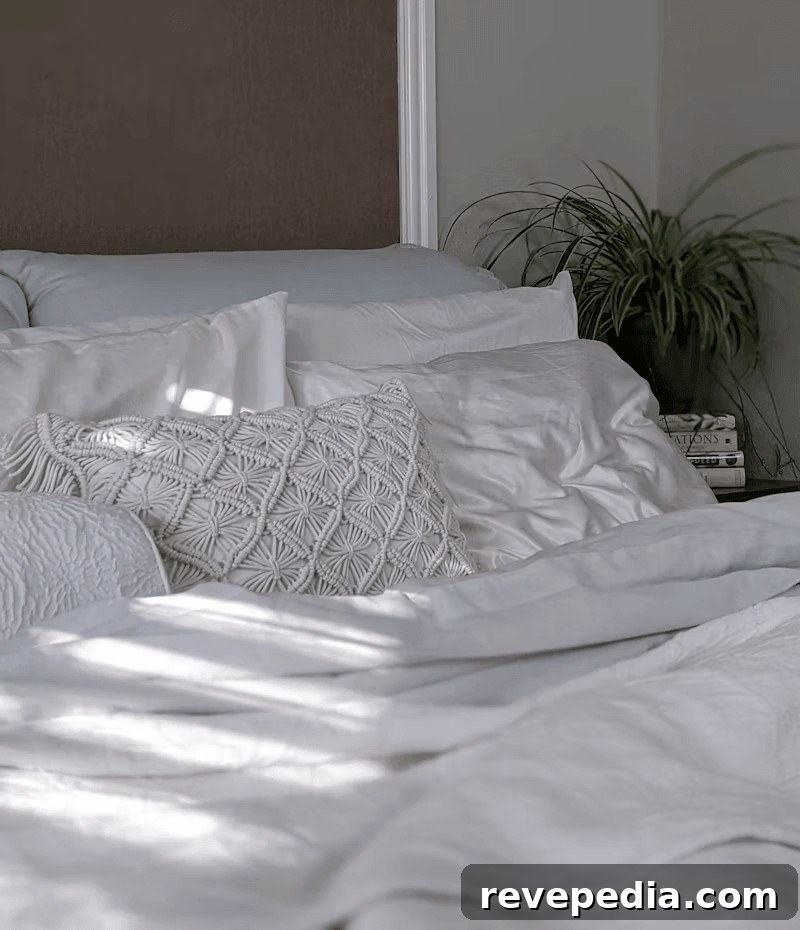
Health and dermatological considerations are a major reason many people choose eco-bedding. Conventional sheets often undergo heavy chemical processing—wrinkle-resistant finishes, formaldehyde treatments, and synthetic dyes—that can irritate sensitive skin and worsen conditions such as eczema, contact dermatitis, or respiratory allergies.
Organic and sustainably processed materials typically avoid toxic finishing agents. Natural fibers like bamboo and hemp also possess inherent antibacterial and antimicrobial properties and resist dust mites, mold, and mildew—common allergens that can accumulate in synthetic bedding. For allergy sufferers, infants, and anyone with sensitive skin, eco-bedding provides a cleaner, gentler sleep environment.
Economic Value and Long-Term Durability
There’s a misconception that eco-friendly bedding is prohibitively expensive. While high-quality organic cotton or premium bamboo sheets can cost more up front than low-cost polyester alternatives, they often represent a better long-term investment. Natural fibers are generally stronger and more durable; with proper care—gentle washing and eco-friendly detergents—quality eco-bedding can remain serviceable for years without pilling or losing structure.
When measured by cost per use, durable eco-bedding frequently outperforms cheaper, short-lived synthetic sets that need frequent replacement. This shift from disposable consumption toward durable, mindful purchasing reflects a broader trend among consumers who prioritize both financial prudence and environmental responsibility.
The move to eco-bedding is more than a passing interior design fad. It signals a deeper change in how people value health, home comfort, and the planet’s future. As sustainable bedding options proliferate and the benefits of materials such as bamboo and organic cotton become better understood, eco-bedding is poised to become the standard for modern, responsible living.