
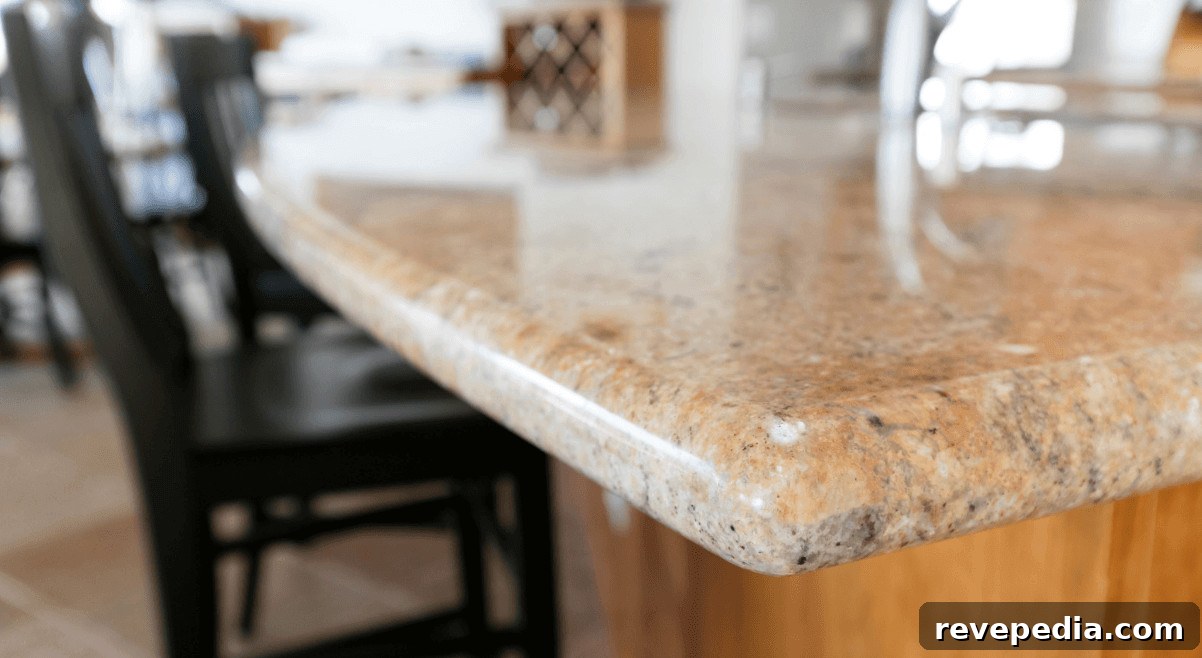
Homeowners choose natural stone countertops for the timeless beauty and tactile quality they add to kitchens and bathrooms. In everyday use, however, countertops face spills, splatters, and routine wear. Granite, marble, quartzite, limestone and other natural stones vary in porosity and composition, and many can absorb liquids if spills remain on an unprotected surface. Understanding how stains form and how to respond quickly makes it far easier to protect and preserve the stone’s appearance.
When a liquid soaks into the stone, it may darken the surface temporarily or, depending on the substance and how long it sits, leave a lasting discoloration. Knowing the common causes of stains and adopting preventive habits reduces the risk of long-term damage and helps your countertops maintain their natural character. The guidance below explains what causes countertop stains, how stone absorbs liquids, and practical steps to prevent and manage common problems.

Common Causes of Stone Countertop Stains
Cooking and daily kitchen activities are frequent sources of spills. Oils from cooking—olive oil, butter, and other fats—can penetrate unsealed or worn stone and leave darkened areas. Acidic substances like lemon or lime juice, and vinegar, can etch or alter some calcium-based stones, leading to a dull or etched appearance rather than a simple pigment stain. Highly pigmented liquids, including red wine, tomato sauce, coffee and tea, can also leave noticeable discoloration if not wiped up promptly.
The difference between a quick wipe and a lasting stain often comes down to whether the stone has an effective sealer. Some sealers create a surface layer while others are designed to penetrate and protect the stone’s pores more deeply. Using a penetrating, stain-resistant sealer can provide valuable extra time to remove spills before they soak in and cause permanent marks.
How Porous Stone Absorbs Liquids
Porosity varies significantly among natural stones. Dense stones like many granites resist liquid penetration better than more porous materials such as certain limestones, marbles, or travertines. Porous stone contains tiny capillaries and voids that draw liquids below the visible surface, where pigments and chemical components can remain trapped. Once absorbed, these substances are harder to remove and may alter the stone’s color or finish.
Sealers help block or slow the capillary action that draws liquids into the stone. Over time and with regular use, sealers can degrade or be worn away by cleaning, heat, and abrasion. Periodic inspection and resealing when protection diminishes will reduce liquid absorption and make routine cleanup more effective.
Everyday Culprits Behind Countertop Discoloration
Common household activities introduce many staining risks. Grease splatters during cooking are easy to miss, and mineral deposits from hard water can leave cloudy or chalky rings around sinks. Metal cans, wet cookware or tools left on a damp surface can sometimes transfer metal salts that result in rust-like stains. Cosmetics, some soaps and household cleaners not formulated for natural stone may leave residues or alter the surface appearance.
Being aware of which products and materials regularly contact your countertops helps prevent problems. Store strongly pigmented substances and acidic cleaners away from stone surfaces, and avoid placing reactive items directly on the countertop without a protective barrier.
Preventing Stains Before They Start
Prompt cleanup is the simplest and most effective defense against staining. Blot and wipe spills as soon as they occur rather than letting them spread or sit. Use coasters under drinks, trivets or heat pads under hot pans, and cutting boards for food preparation to prevent direct contact with the stone and avoid small scratches that make the surface more vulnerable.
Choose cleaners specifically formulated for natural stone and avoid abrasive scrubs or acidic products unless the stone manufacturer specifies they are safe. When trying a new cleaner, test it first on an inconspicuous area. Periodically check whether water beads on the surface — if water soaks in instead of beading, the sealer may need attention. Follow the manufacturer’s guidance for the stone and the sealer when planning maintenance.
Caring for Stone Countertops Long Term
Long-term care is built on consistent, simple habits rather than complex procedures. Clean regularly with a soft cloth and a pH-neutral stone cleaner to remove residues without stripping protective coatings. Watch for areas where the finish looks different, where liquids no longer bead, or where stains reappear — these are signs that the surface needs resealing or targeted cleaning.
How often resealing is required depends on the type of stone, the kind of sealer used, and how heavily the surface is used. High-traffic kitchen countertops typically need attention more often than vanity tops in bathrooms. Routine inspections, gentle daily cleaning, and timely resealing when protection declines will minimize discoloration and preserve the stone’s natural beauty.
Natural stone countertops are low-maintenance when treated with consistent care. By blotting spills quickly, using appropriate cleaners and protective accessories, and monitoring the condition of the sealer, you can prevent most stains and enjoy the unique look of natural stone for years.