
Filing a roof insurance claim often appears simple until you start the process. Many legitimate claims are reduced or denied not because the damage isn’t real, but because of avoidable mistakes in documentation, timing, or how the claim is presented. Knowing the most common reasons for denials before you file will significantly improve your chance of a smooth, fully covered outcome.
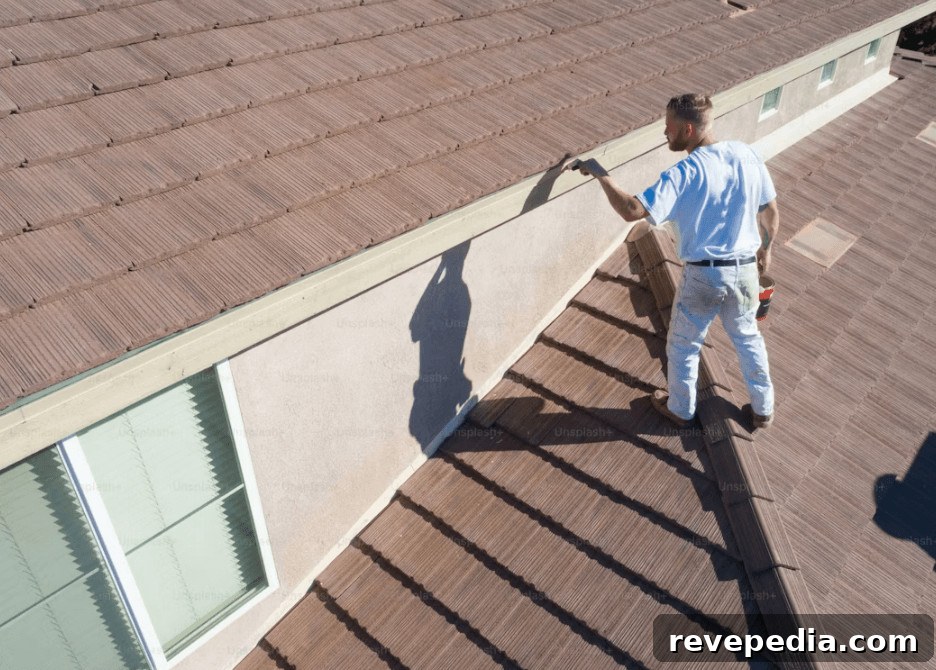
Photo: Getty Images for Unsplash
Filing Against the Wrong Storm Date
Insurers link claims to specific, verified weather events. If you file a claim tied to the wrong date—even if the damage did occur—you risk a denial. This is especially common where multiple storms have passed through an area in a short period.
To avoid this pitfall, confirm the exact date of the damaging event using verified weather records rather than relying on a general recollection like “sometime last month.” Precise dating of the event strengthens the claim and helps adjusters attribute damage accurately.
Waiting Too Long to File or Get an Inspection
Most insurance policies impose time limits for reporting damage and requesting an inspection. Waiting beyond those windows gives the insurer a defensible reason to deny or dispute the claim. Even if you have a good reason for the delay, prolonged gaps create greater uncertainty.
Beyond contractual deadlines, delays also make it harder to link the damage to a specific storm. The longer you wait, the more difficult it becomes to distinguish fresh storm damage from wear and tear accumulated over time.
Insufficient or Poor-Quality Documentation
Adjusters frequently make decisions based on the evidence presented. Vague descriptions and a few blurry photos don’t provide enough information, and ambiguity often gets resolved in favor of the insurer. Thorough, clear documentation is essential.
Provide detailed, high-resolution photographs showing the exact damaged areas, a written account that ties the damage to the verified storm date, and, when possible, a professional inspection report. This level of documentation makes it far more likely the adjuster will approve a full and fair settlement instead of a partial payout.
Pre-Existing Damage Misattributed to a Recent Storm
Insurers routinely deny or reduce claims when it’s unclear whether damage is new or existed prior to the reported event. If the roof already showed signs of wear—such as granule loss, deteriorating shingles, or underlying structural issues—and the claim fails to separate pre-existing conditions from new storm damage, the insurer may reject the entire claim rather than attempt to apportion responsibility.
A thorough inspection that documents both the pre-existing condition and the new storm-related defects protects you from a blanket denial and helps ensure the insurer pays for repairs that stem directly from the damaging event.
Not Understanding Your Deductible Structure
Not all policies use the same deductible model. Some homeowners or commercial policies include a percentage-based wind or hail deductible rather than a flat dollar amount. Policyholders who assume a standard flat deductible may be surprised when the deductible applied is much larger.
Review your policy carefully before filing so you understand whether your deductible is a fixed amount or percentage-based. Knowing this in advance prevents unpleasant surprises and helps you make an informed decision about whether to pursue a claim.
Working With a Contractor Who Doesn’t Understand the Claims Process
After storms, inexperienced or unscrupulous contractors sometimes make unrealistic promises or unlawful offers—such as suggesting they’ll “waive your deductible,” which is illegal in most jurisdictions and a red flag for insurance fraud. Even well-meaning contractors can harm a claim if they provide poor-quality documentation or incomplete inspection reports.
Choose a contractor or public adjuster experienced with insurance claims, who documents damage clearly, dates inspections properly, and understands how adjusters evaluate evidence. That professional competence significantly improves the likelihood of a fair settlement.
Practical Steps That Strengthen a Claim
There are concrete, consistent steps that improve the odds of a successful claim: arrange a professional inspection promptly after a significant weather event; confirm the exact storm date using verified records; thoroughly document damage with clear photos and a written report; and understand your policy’s deductible and coverage details before filing.
Because many denials stem from timing and documentation issues rather than the legitimacy of the damage, starting the claims process with well-prepared, properly dated evidence gives you the strongest possible foundation. Proper preparation reduces disputes, accelerates resolution, and increases the likelihood that your insurer will cover the full cost of necessary roof repairs or replacement.