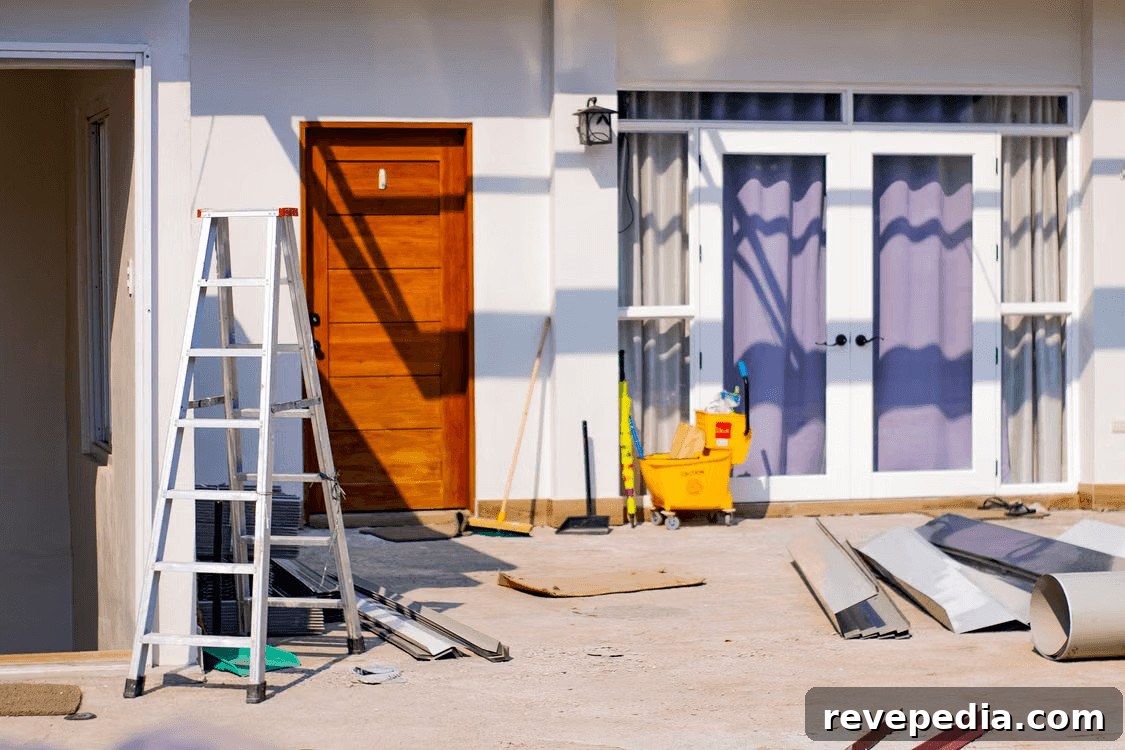
Living in a home that feels cramped, outdated, or inefficient drains energy and reduces enjoyment of everyday life. A whole-house renovation can reinvigorate older properties, converting ordinary square footage into a thoughtfully designed, functional sanctuary. Comprehensive remodels resolve structural and layout issues, improve habitability, and build long-term equity for homeowners.
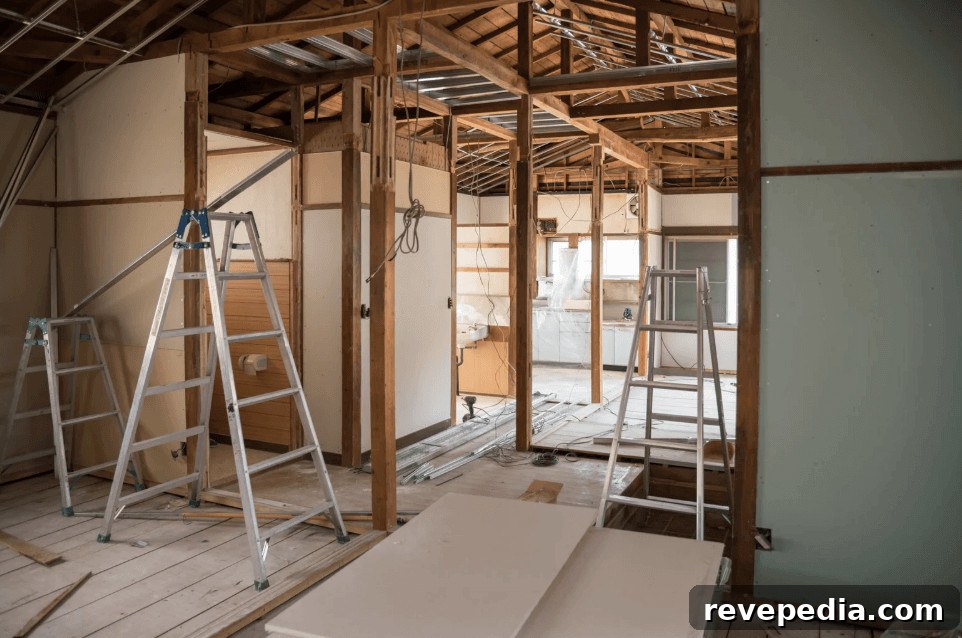
Finding the Right Contracting Team for Large Projects
Choosing experienced builders is the single most important decision for a successful large renovation. Homeowners planning full-property updates should hire qualified professionals—whether a regional firm like a Dallas–Fort Worth remodeling contractor or a trusted local contractor—to ensure the project is managed efficiently and carried out to code. Clear, regular communication between the homeowner and contractor prevents costly misunderstandings and helps align the finished result with the original design intent.
Before signing a contract, review past portfolios, verify references, and read client reviews. Reputable trade professionals provide transparent cost breakdowns, itemized estimates, and realistic construction schedules for whole-house work. These elements create accountability and protect homeowners from budget surprises.
Dedicated project managers coordinate electricians, plumbers, carpenters, and specialty trades on site, maintaining efficient sequencing and reducing downtime between phases. Strong on-site management shortens overall timelines and helps avoid common delays that occur when teams operate without a scheduled plan. Skilled leadership also ensures all structural changes meet local building codes and inspections proceed smoothly.
Maximizing Property Value and Return on Investment
Comprehensive renovations tend to generate much higher returns than isolated cosmetic updates. Today’s buyers often prioritize modern kitchens, updated plumbing and electrical systems, and open-concept living layouts—features that full remodels deliver. Broad improvements typically lead to stronger market appraisals and greater resale premiums than single-room refreshes.
Large-scale residential investments can produce meaningful financial gains for homeowners. Well-executed renovations increase marketability and position homes in higher price tiers. Buyers pay more for move-in-ready properties that require little to no immediate maintenance or repair, and smart layout upgrades translate directly into higher offers.
- Upgraded flooring plans attract stronger purchase offers and modernize interiors.
- Renovated bathrooms increase buyer interest during showings and open houses.
- Efficient heating and cooling systems reduce monthly utility expenses.
- New roofing and updated siding dramatically improve curb appeal and first impressions.
Converting underused spaces such as basements or attics into functional living areas creates additional bedrooms, rental-ready units, or entertainment zones—effectively increasing usable square footage and appraisal value. High-quality finishes and strategic design choices elevate a property above regional comparables, offering lasting equity gains.
Long-Term Trends in Residential Spending
Home improvement and renovation remain consistent priorities for homeowners across markets. Millions of property owners allocate annual budgets to update aging homes, driven by the desire for comfort, efficiency, and improved functionality. This steady demand sustains growth in the remodeling industry and encourages innovation among manufacturers and contractors.
Industry projections show continued, if moderate, growth in renovation spending. Ongoing reinvestment in existing housing stock demonstrates how homeowners prioritize long-term quality and stability. Consistent market demand has led to better access to advanced materials—improved insulation, energy-efficient windows, smart home fixtures, and durable exterior products—which benefits large renovation projects.
Modernizing a home also provides financial protection against inflation and changing market conditions. Properties that receive regular structural and mechanical updates maintain competitiveness and attract buyers even during economic fluctuations, preserving homeowner wealth over time.
Protecting Financial Assets During Construction
Careful financial planning before construction begins is essential to protect assets during a major remodel. Vetting contractor credentials, verifying licenses and insurance, and thoroughly reviewing contracts prevent legal and financial exposure. Smart pre-construction practices ensure that funds are invested in improvements that truly add value.
Watch for common warning signs of shady operations, including door-to-door sales pitches, demands for full upfront payment, and reluctance to provide written contracts or detailed estimates. Recognizing these red flags reduces the risk of contractor fraud or poor workmanship.
- Verify active licenses, insurance coverage, and local references before hiring.
- Ask for detailed estimates that separate labor and materials costs.
- Structure payments with milestones tied to completed work phases.
- Keep organized records of all signed contracts, change orders, and receipts.
Written agreements and clear change-order procedures keep homeowners and contractors aligned on scope, schedule, and budget. Proper documentation prevents misunderstandings and helps projects progress smoothly from demolition through the final walkthrough.
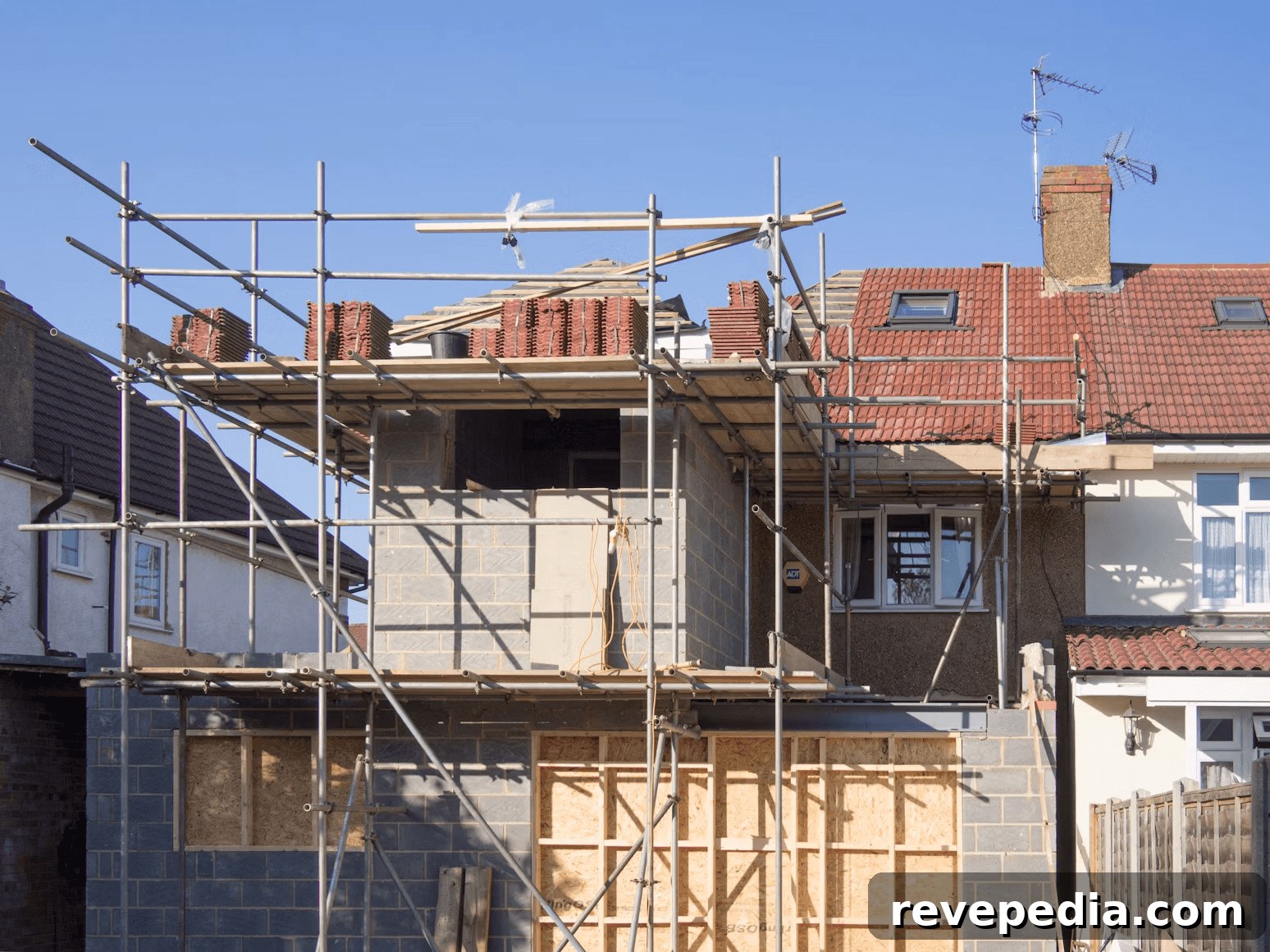
Tailoring Interior Spaces for Modern Living
Older floor plans often don’t meet the needs of contemporary households. Whole-home remodels allow families to reconfigure layouts to match daily routines—creating open kitchens that keep caregivers connected to children, dedicated home offices for remote work, and flexible activity rooms that adapt over time.
Built-in storage solutions eliminate clutter and make daily living more efficient, while soundproofing and strategic room placement support privacy and productivity. Thoughtful lighting design and larger window openings bring natural light into dark corridors and central spaces, improving mood and reducing reliance on artificial lighting.
Custom master suites with walk-in closets and spa-like bathrooms transform private spaces into restorative retreats. These personalized upgrades not only enhance daily comfort but also attract buyers seeking turnkey homes with luxury-feel amenities.
Lowering Ongoing Maintenance Costs
Aging systems and materials demand frequent maintenance and emergency repairs. A full renovation addresses hidden mechanical issues—old wiring, aging plumbing, and outdated HVAC systems—in one cohesive project, reducing the likelihood of future breakdowns and surprise expenses.
Replacing legacy systems with modern equivalents cuts emergency service calls and improves overall safety. Upgrading insulation, windows, and exterior cladding enhances energy efficiency, stabilizes indoor temperatures, and lowers utility bills. Durable finish materials such as composite decking, quartz countertops, and resilient flooring minimize upkeep and stand up to heavy family use.
Ultimately, whole-home renovations deliver substantial value by pairing improved comfort with financial advantages. Thoughtful, well-managed remodels transform aging properties into efficient, attractive homes that cost less to maintain, command higher resale prices, and provide a better everyday living experience for homeowners and their families.