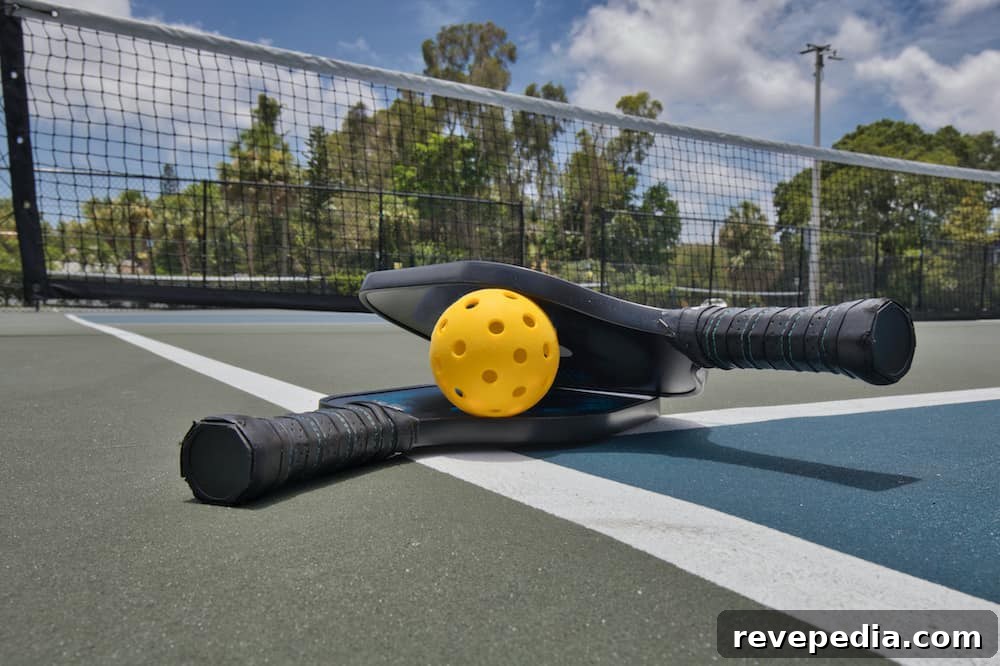
Pickleball has surged in popularity across the United States and is widely recognized as the fastest-growing sport in the country. Combining elements of badminton, tennis, and table tennis, pickleball appeals to players of all ages and abilities thanks to its straightforward rules, social nature, and approachable physical demands.
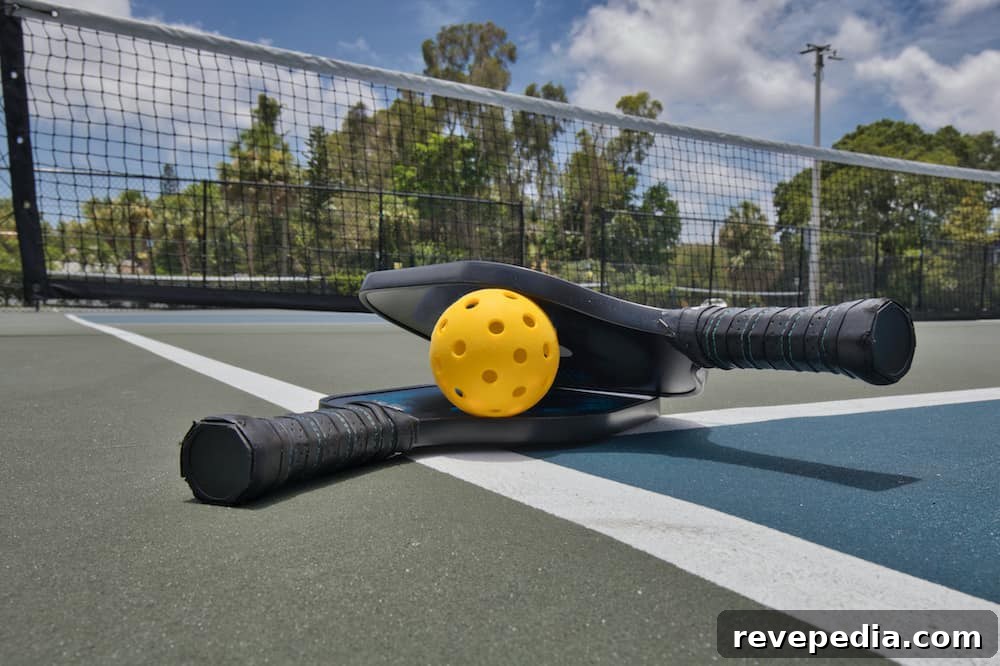
Played on a court similar in size to a badminton court, pickleball uses a lower net than tennis and lightweight paddles to volley a small, perforated plastic ball. Matches typically follow scoring and service patterns that resemble tennis, and the game is most commonly played as doubles, though singles play is also popular.
Several factors contribute to pickleball’s rapid growth. The compact court and slower-moving ball make rallies easier to sustain and reduce the physical strain compared with many racquet sports, so beginners can experience success quickly. The simple scoring and clear rules shorten the learning curve, allowing new players to join games with confidence.
Pickleball is also an excellent form of exercise that is low-impact and joint-friendly. It provides a mix of cardiovascular activity, agility work, and balance training while remaining enjoyable and social. Players benefit from improved coordination, faster reaction times, and better overall fitness without the high injury risk sometimes associated with more demanding sports.
Inclusivity is another key strength of the sport. Pickleball courts host players across generations and skill levels, and the culture emphasizes sportsmanship, mutual respect, and community. Recreational sessions, social clinics, and mixed-ability play create welcoming environments where newcomers and experienced athletes can interact and learn from each other.
A robust support system helps newcomers get involved quickly. Instructional videos, local clubs, community centers, and organized leagues offer ample opportunities to learn and compete. National and regional organizations, including the sport’s governing bodies, organize events and championships that raise visibility and provide structured pathways for competitive players.
In summary, pickleball’s rising prominence stems from its accessibility, health benefits, inclusive nature, and strong community infrastructure. Whether someone is seeking a fun way to stay active, a social recreational outlet, or a new competitive challenge, pickleball offers an inviting option that suits a wide range of interests and fitness levels.