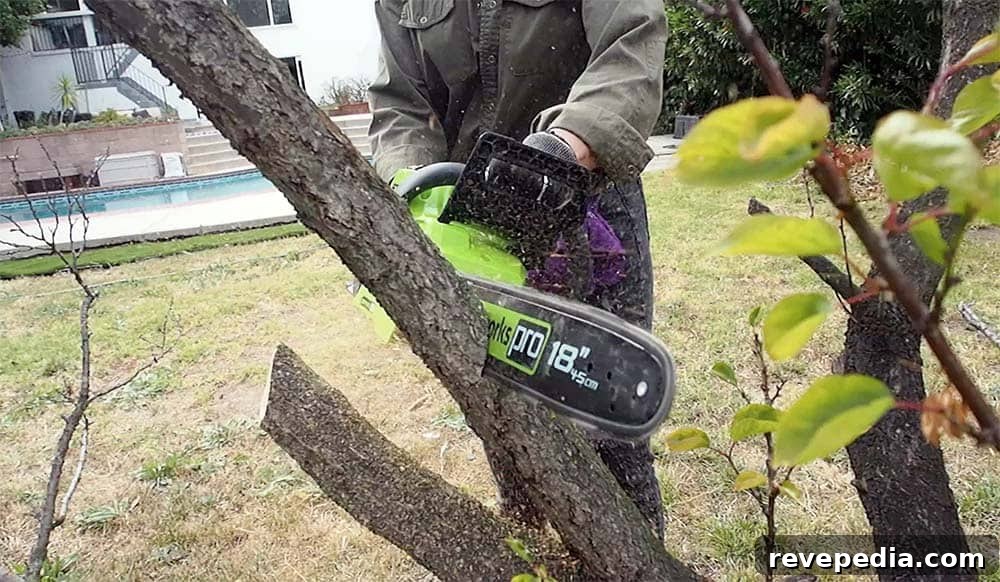
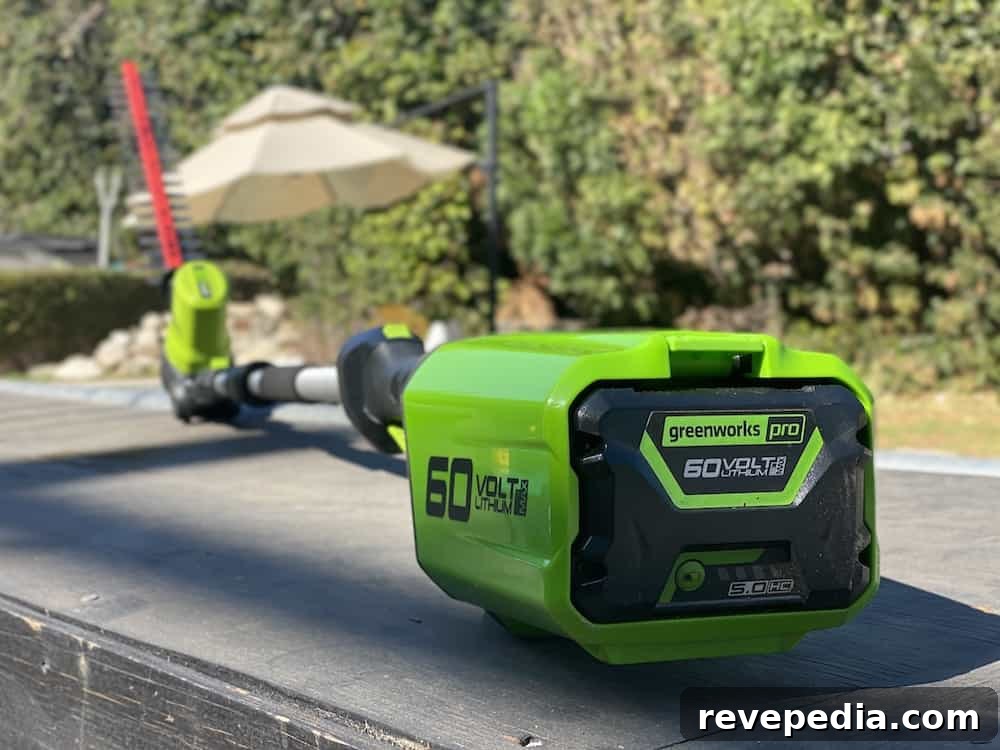
Nearly all homeowners should consider battery-powered yard tools. Modern battery-powered outdoor equipment has improved so dramatically that gas-powered tools are becoming harder to justify for most residential uses. Sales trends reflect this shift away from small gas engines. Below I outline the main reasons battery-powered tools are superior for the majority of homeowners.
Battery-Powered Outdoor Power Equipment is Cleaner
Gas-powered outdoor power equipment (OPE) is messy to own and operate. From filling cans at the gas station to mixing oil for two-stroke engines and topping off tanks, gasoline and oil introduce frequent opportunities for spills and stains. A simple mowing or edging session can turn into time spent troubleshooting a stubborn engine, changing spark plugs, or cleaning oil from clothing and the garage floor.
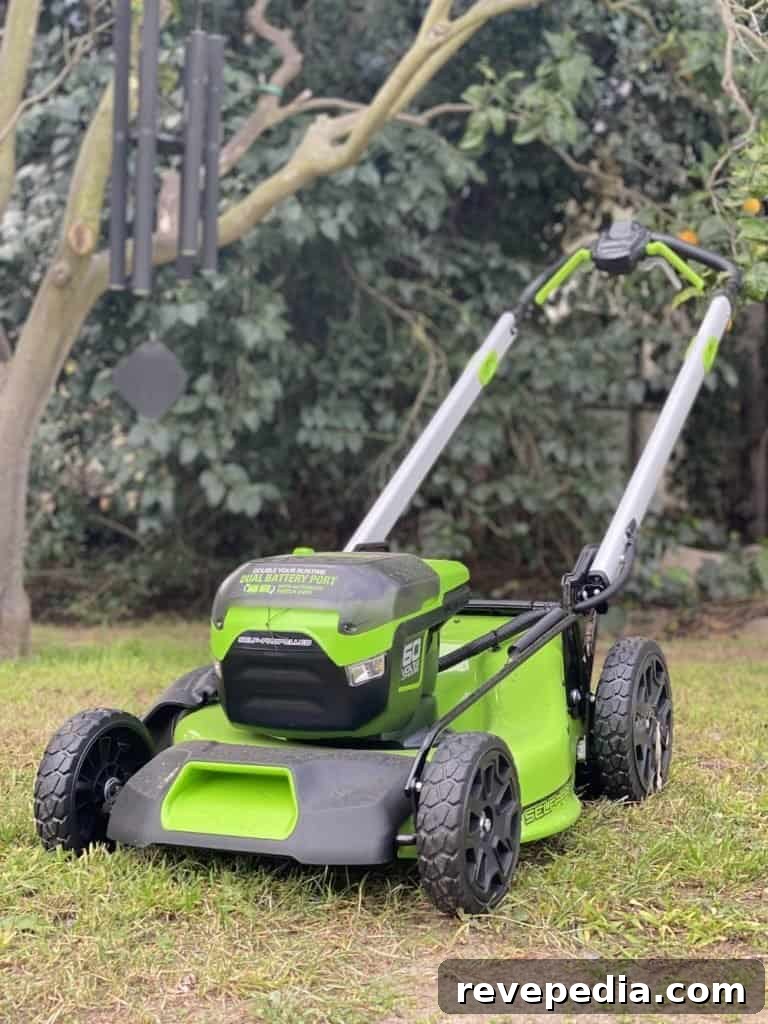
Switching to battery-powered tools eliminates the need to store and handle gasoline and oil. The only routine mess you’ll deal with is yard clippings, not spilled fuel or oily rags. That makes upkeep easier and cleaner for both you and your tool shed.
Battery-Powered Outdoor Power Equipment is Better for the Environment
Beyond personal convenience, gas OPE creates real environmental harm. Small two- and four-stroke engines are notable sources of air pollution, emitting volatile organic compounds, nitrogen oxides, and other pollutants. Even with emissions improvements over the years, these tools still burn fossil fuels and release exhaust, which is avoidable when you choose battery power.
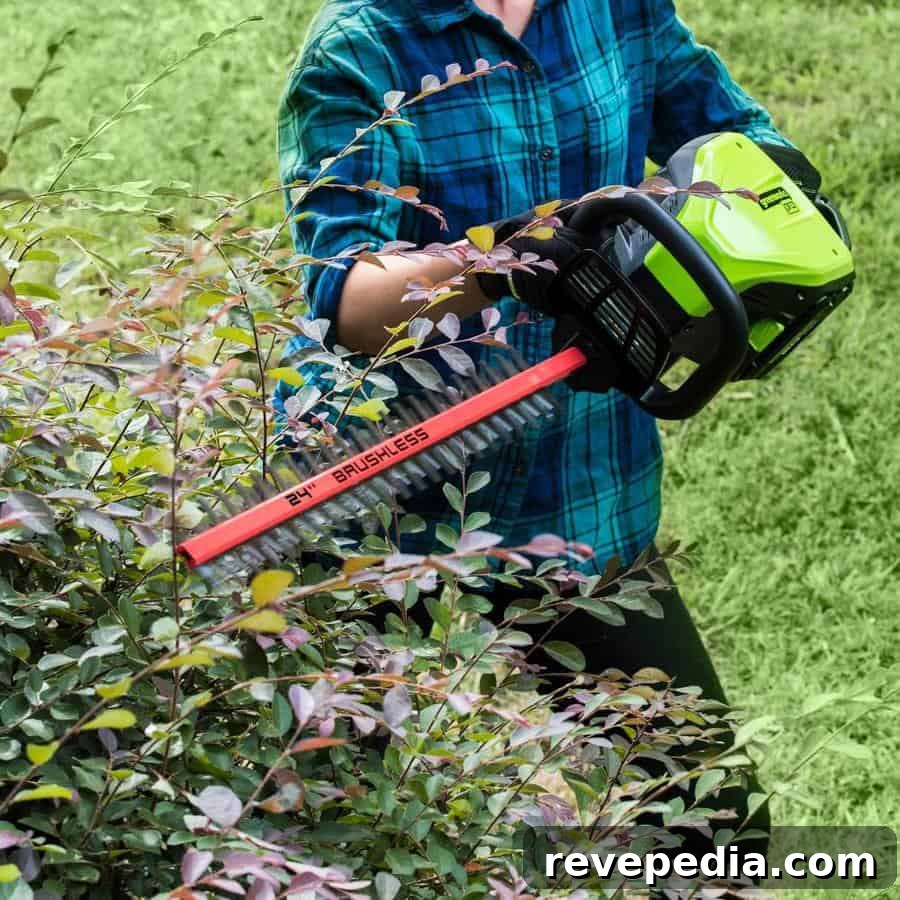
Gas engines also create additional waste: oil filters, fuel containers, small parts, and single-use packaging associated with maintenance. Noise pollution is another factor—gas trimmers, blowers, and mowers tend to run louder than their battery counterparts, impacting neighbors and pets. Choosing battery tools reduces emissions, waste, and noise, and spares your clothes from the lingering smell of gasoline.
Battery-Powered Outdoor Power Equipment is More Efficient
Lithium-ion battery technology has advanced rapidly. Modern batteries deliver longer runtimes, faster charging, and improved longevity compared with the cells available just a few years ago. Manufacturers can now pack more energy into smaller, lighter packs while improving cycle life and safety.
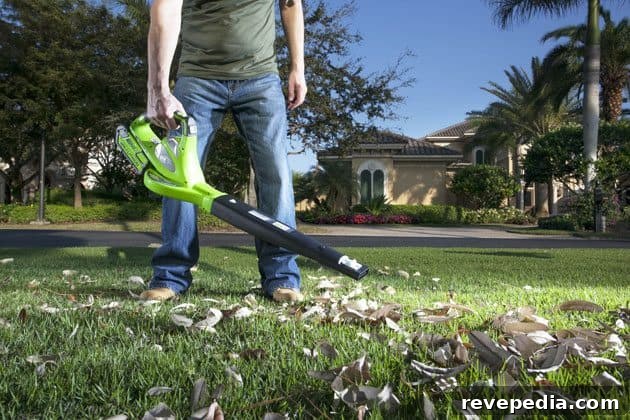
Many modern cordless tools use brushless motors, which run cooler, last longer, and require less maintenance than brushed motors or small gas engines. Brushless designs also produce less noise and deliver better power efficiency. While some battery tools may weigh more than the lightest gas models, you can select battery capacity (amp-hours) that matches your yard size. For small to medium properties, a lower-capacity pack often provides ample runtime with minimal weight.
Battery-Powered Outdoor Power Equipment is a Better Value
When you factor in the time and expense of fuel, routine tune-ups, oil changes, and other maintenance, gas tools often cost more over their lifetime than cordless alternatives. Cordless tools still need care—battery storage, occasional software or firmware updates on some models, and basic maintenance—but the requirements are generally lighter and less frequent than those for gas engines.
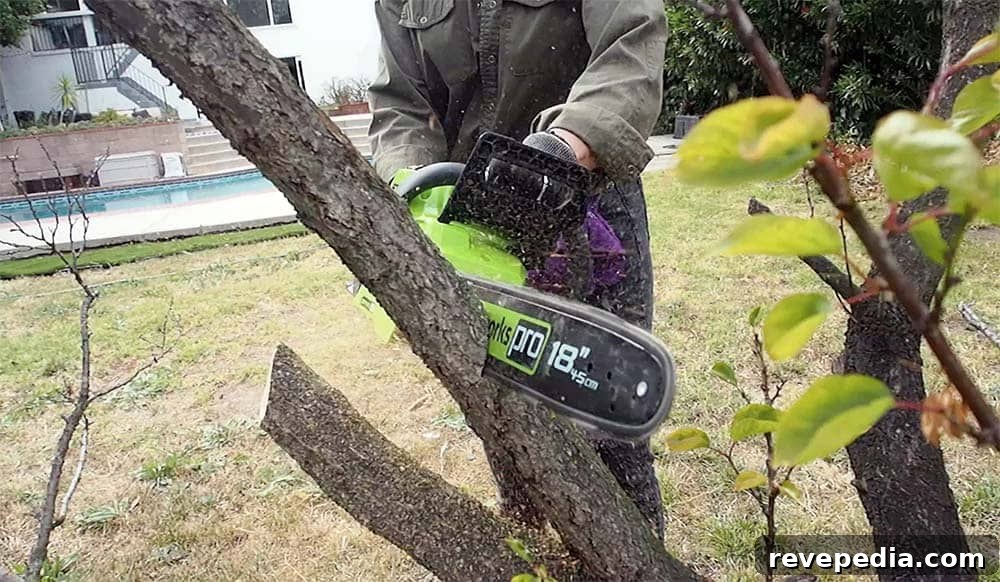
The biggest cost advantage emerges once you buy your first battery and charger. Batteries can be a substantial part of the initial investment, but they are interchangeable across compatible tools within a brand’s system. That means when you expand your toolset you often only need to buy the tool head rather than another battery, reducing long-term costs.
Many homeowner-focused lines now offer robust performance. For example, 60V-class cordless systems provide enough power for a wide range of tasks—from trimming and edging to mowing and light chainsaw work—while offering dozens of compatible tools. Choosing a single battery platform simplifies charging, storage, and future purchases.
In short: battery-powered outdoor power equipment simplifies maintenance, reduces environmental impact and noise, and often costs less to own over time—especially for typical residential yards. For most homeowners, switching to cordless tools delivers a cleaner, quieter, and more convenient way to care for the property.