
Window maintenance matters everywhere, but the best time to inspect and repair windows depends on your climate. In colder regions, autumn is often the final comfortable window-inspection window before freezing temperatures and winter storms arrive. Michigan is a clear example: a long heating season and, in some areas, lake-effect snow mean exterior windows, screens, and frames face months of cold, moisture, and ice.
In milder climates like Southern California, winter preparation looks different. Homeowners there don’t plan around extended freezing conditions, but the same basic checks—screens, glazing seals, weatherstripping, and frame condition—still protect comfort and energy efficiency. Comparing approaches across regions highlights which issues are climate-sensitive and which are universal: damaged screens, failed seals, compressed weatherstripping, and decaying frames are concerns wherever you live.
Many problems that go unnoticed in summer become obvious once temperatures drop. Fogging between glass panes reveals sealed-unit failures, worn weatherstripping allows uncomfortable drafts, and a torn or bent screen can deteriorate further after exposure to snow or wind. Catching these problems before the first hard freeze gives homeowners time to prioritize repairs and prevents emergencies during the coldest months.

Image by Magnific
What Energy Agencies Say About Windows and Energy Use
Heat gain and heat loss through windows account for a substantial portion of residential heating and cooling energy use—commonly estimated in the mid-twenty percent range. Because windows are a major pathway for heat transfer, their condition has a direct impact on home comfort and energy bills during a long heating or cooling season.
Common issues that reduce a window’s thermal performance include failed seals, cracked or damaged glass, deteriorated weatherstripping, and gaps around frames. Not every issue requires a full window replacement. Many problems can be resolved with targeted repairs once you identify the source of heat loss or air infiltration.
This inspection becomes particularly important in places like West Michigan, where lake-effect snow and prolonged cold expose windows to extended wet and freezing conditions. Addressing damage in autumn is often easier and less costly than dealing with compounded problems once winter weather has arrived.
Inspecting Sealed Insulating Glass for Failed Seals
Condensation or persistent fogging between insulated glass panes is the most visible sign of a failed seal. Unlike surface condensation on interior or exterior glass, moisture trapped inside a sealed unit cannot be wiped away and usually indicates the unit has lost its insulating integrity.
A failed seal can reduce the unit’s insulating value and undermine the performance expected from double- or triple-glazed windows. Homeowners can often spot fogging or moisture from inside the home, though visibility can change with temperature and humidity. If moisture consistently appears between panes, it is worth having the sealed unit evaluated to determine whether a repair or replacement is needed.
Window Screens: Replace or Repair Before Winter
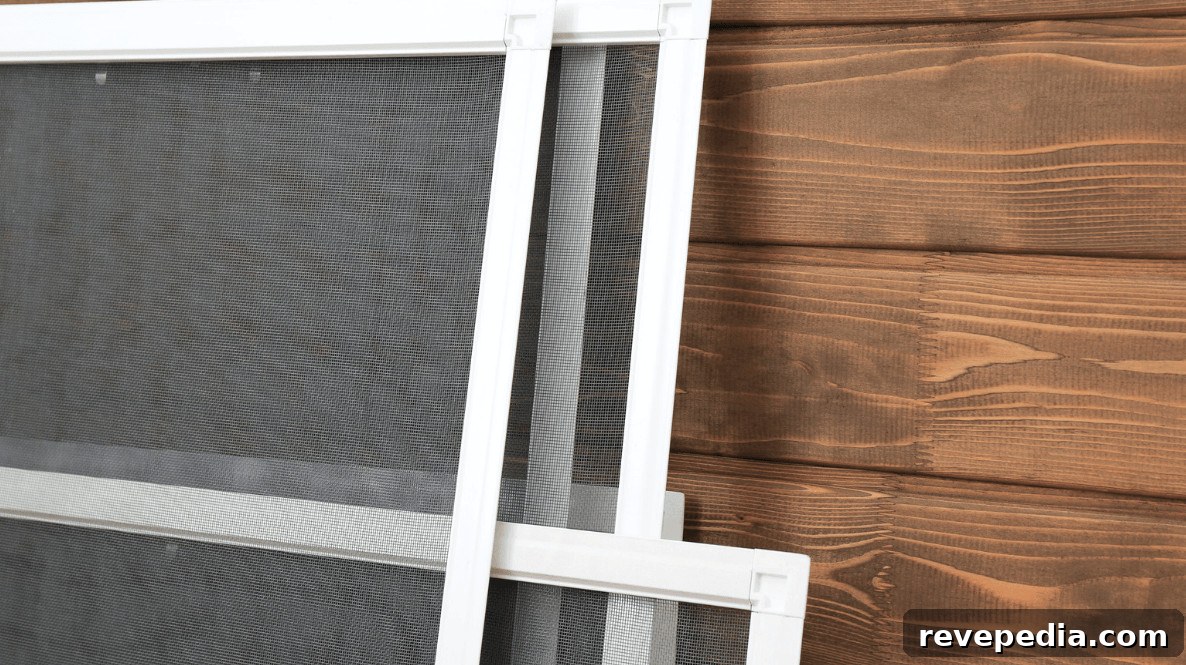
Screens do not contribute much to insulation, but their condition still affects both function and the ability to check the window behind them. Torn, loose, or bent screens left exposed during winter can collect snow, ice, and debris, which may worsen existing damage.
Repairing a screen in autumn is generally easier and less disruptive than addressing multiple degraded screens after a harsh winter. When damage is severe, replacing the screen offers a chance to choose a more durable mesh—options include fiberglass, aluminum, polyester, and pet-resistant materials—each varying in durability, visibility, and cost. Select the mesh that suits the window’s exposure, household habits, and whether pets or children interact with the screen.
Removing a damaged screen also improves access for inspecting the window frame and glass, revealing peeling paint, failing seals, or rot that might otherwise be obscured.
When Local Window and Screen Repairs Make Sense
Repair needs vary by region and by the home’s condition. For localized screen repairs or straightforward glass replacements, many communities have specialists who handle on-site or drop-off work. Simple screen repairs and replacements are often quick and cost-effective, while problems like failed sealed units, damaged patio doors, or frame rot may require a more thorough assessment and skilled repair.
When several windows show issues, make a room-by-room inventory before contacting a repair professional. Separating minor screen and weatherstripping work from more complex glass, track, or frame repairs helps prioritize tasks that should be completed before winter and those that can wait until a more convenient time.
Weatherstripping, Caulk, and Frame Gaps
Glass performance is only one part of window efficiency. Older windows can also develop air leaks around the sash or frame as weatherstripping compresses, moves, or breaks down and as exterior caulk ages. On cool, windy days you can often feel drafts near the sash or frame; a professional energy audit will identify less obvious leakage points.
Visually inspect weatherstripping for cracks, compression, gaps, or missing sections. Check exterior caulking for separation or deterioration. These repairs are usually small and inexpensive, but sealing obvious air leaks improves comfort and reduces heating demand. In regions with severe winters, autumn offers safer and more pleasant conditions to complete these exterior repairs.
Storm Windows: Repair or Replace Before Cold Weather
Older homes may have storm windows or removable storm panels mounted outside the primary sash. These secondary layers add protection from wind and cold and are still used on many traditional window systems. Cracked, loose, or missing storm glass and panels should be addressed before winter to maintain this additional thermal barrier.
Depending on the design and condition, storm glass or panels can often be repaired or replaced without addressing the main window. However, if the surrounding frame is deteriorated, simply replacing the glass may not resolve the underlying problem. If you are uncertain whether the issue is limited to glass or involves frame rot or structural damage, have the window evaluated before proceeding.
Conduct a Room-by-Room Window Inspection Before Winter
Whether you are preparing for a harsh Michigan winter or cooler, wetter weather in another region, a systematic room-by-room inspection helps you find window problems while repairs are still convenient. Look for torn or loose screens, fogging between panes, cracked glass, compressed or missing weatherstripping, obvious drafts, and visible frame damage.
Some issues will only require a new screen or fresh weatherstripping; others—moisture trapped inside a sealed unit or frame deterioration—may merit professional assessment. The exact challenges vary by climate, but the principle is universal: identify developing problems early, prioritize what actually needs attention, and take care of practical repairs before weather makes the work more difficult.