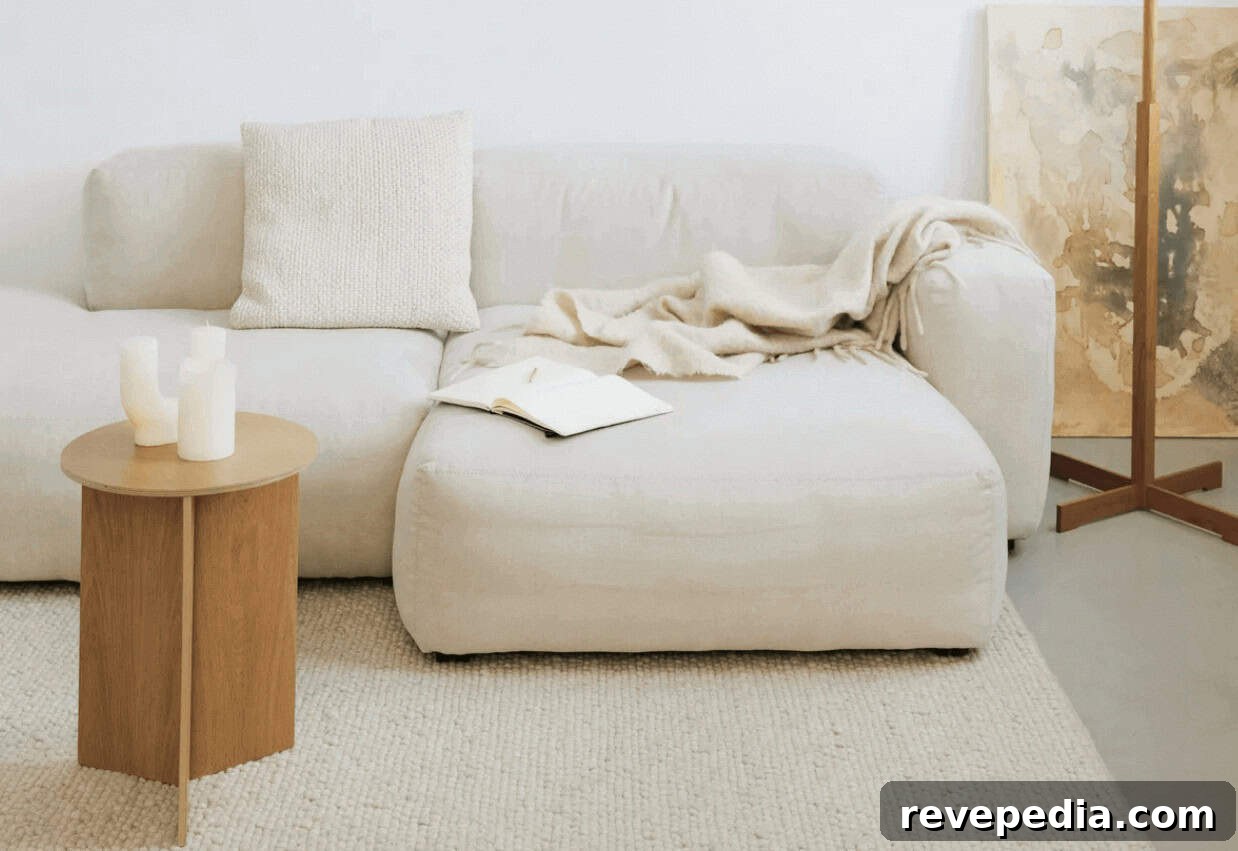
Charles & Hudson often highlights homes designed for families, where shared spaces, busy kitchens, and growing households shape how a house is organized. But many people are creating homes for one—either for the first time or after a life change—and the priorities differ.
Living alone requires a different approach. Instead of planning for multiple people, the goal is to create a space that supports one person’s daily routine while keeping costs manageable. Furniture, utilities, and everyday essentials add up quickly, and without careful planning, the first months can become more expensive than expected.
A thoughtful plan prevents those problems. By focusing on essentials first, choosing furniture with multiple uses, and spreading purchases over time, you can build a comfortable, functional home without overstretching your budget.
This guide outlines practical steps to set up a solo living space that remains organized, efficient, and financially sustainable.
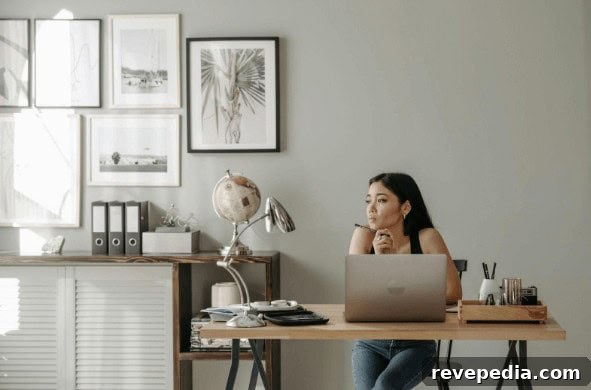
Set the Budget Before You Move In
Keep your setup on track by calculating full monthly housing costs before you sign a lease. Rent is only part of the picture; add utilities, internet, trash collection, parking, renters’ insurance, and basic household supplies to see the true baseline.
Build a startup budget room by room. Treat a bed, proper lighting, shower basics, and secure food storage as nonnegotiable. Living-room and dining necessities—like a sofa, a table, and chairs—follow, but ask whether each item is essential now (for example, do you really need an ultra-wide TV immediately?).
Delay nonessential purchases to later weeks so your budget isn’t depleted at the start.
Short-term financing can help with upfront move-in costs such as security deposits, application fees, and utility activation charges. When borrowing is limited to essential move-in expenses and repayment is clearly planned into monthly budgets, it can act as a bridge without undermining long-term stability.
Choose the Right Space
Pick an apartment that fits your lifestyle and budget. Proximity to parks, shops, and transit can make daily life easier and reduce transportation costs, but bigger isn’t always better. Larger spaces cost more to heat, cool, and furnish, so aim for enough room to be comfortable rather than maximum square footage.
Use storage strategically: closets, vertical shelving, and under-bed bins can offset smaller square footage. Location affects total housing cost; slightly higher rent can be worth it if commuting expenses drop and you can walk to errands or work.
Prefer units that are move-in ready. Apartments that come with appliances, modern lighting, and adequate outlets reduce immediate expenses and protect your first-month budget.
Stage Purchases With a Six-Week Plan
You don’t need to furnish everything in a single weekend. Staging purchases over six weeks controls spending and improves decisions by prioritizing essentials first.
A practical six-week timeline might look like this:
- Week one: Prioritize sleep, hygiene, safety, and productivity—mattress, basic bedding, shower curtain, and fresh smoke/carbon monoxide detector batteries. If you work from home, include a desk and chair.
- Week two: Focus on food prep—basic cookware, a reliable knife set, storage containers, and pantry staples to reduce takeout costs.
- Weeks three and four: Add lighting (floor and table lamps) for better visibility and install curtains or blinds for privacy and light control.
- Weeks five and six: Invest in storage solutions, rugs, nonessential appliances, and comfort upgrades that enhance daily life without straining the budget.
Furnish for Function First, Then Style
The costliest mistakes come from furniture that looks right but doesn’t fit the space or lifestyle—oversized sofas that block traffic flow or pieces that require costly returns. Sketch a floor plan and take accurate measurements before purchasing to ensure items fit and function well.
Choose multipurpose furniture in single-occupant homes: storage ottomans for seating and hidden storage, beds with built-in drawers when closet space is limited, and drop-leaf tables for compact dining areas.
Spend more on items that get daily use—supportive chairs, durable cookware, and a reliable vacuum—while delaying decorative purchases until you can shop without pressure.
Lower Utility Bills With Simple Upgrades
Controlling utility costs is an essential part of a smart home setup. Start with low-cost changes: replace bulbs with LEDs, use power strips to reduce standby power draw, and manage heating and cooling by closing curtains against summer sun or winter drafts.
Reduce water consumption with low-flow showerheads and faucet aerators—affordable upgrades that often don’t require permanent modifications and are acceptable in many rentals.
Practice preventive maintenance: replace HVAC filters on schedule, keep refrigerator coils clean, and empty dishwasher traps. Small, regular tasks prevent costly repairs and improve everyday comfort.
Build a Working Safety Net
Establish a modest emergency fund to stabilize your solo living situation. Aim first for one month’s core expenses, then grow the buffer over time to reduce stress when unexpected costs arise.
Create a simple home inventory with photos and receipts to streamline insurance claims in case of theft or damage. Keep renters’ insurance current—its cost is typically low compared to the protection it provides.
Assemble a basic maintenance kit with a plunger, screwdriver, adjustable wrench, flashlight, picture hooks, and fasteners. Having these tools on hand solves common problems quickly and avoids emergency store runs.
Make Your Home Affordable and Comfortable
Affordability comes from sequencing purchases and exercising restraint, not from sacrificing comfort. Control core costs, choose space-efficient solutions, and stage purchases so cash flow remains protected.
A dependable solo living setup combines functional furniture, small utility upgrades, and a maintained safety net. Making these choices early makes independence sustainable, letting you add upgrades at a pace that’s both sensible and affordable.