I’ve been a bit sidetracked by the Olympics. Every four years I find myself drawn to events I normally wouldn’t watch, yet I can’t look away. Amateur wrestling is different for me. Having wrestled in high school, I’ve followed the sport ever since, especially the NCAA championships, which I watch every year. I wasn’t raised in a traditional wrestling hotbed—Arizona—but the state has produced strong programs, and Arizona State frequently sends All-Americans to the national stage.
The Olympics bring together the best of the best, and many of the top competitors at the Olympic Trials are multiple-time NCAA champions. Below is a concise primer on amateur wrestling, which is a sport distinct from professional wrestling’s entertainment-focused performances.
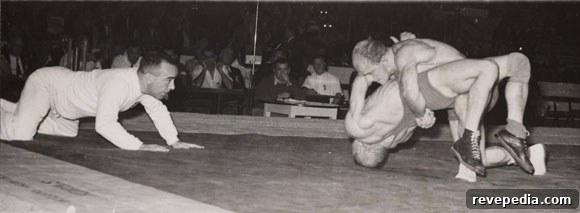
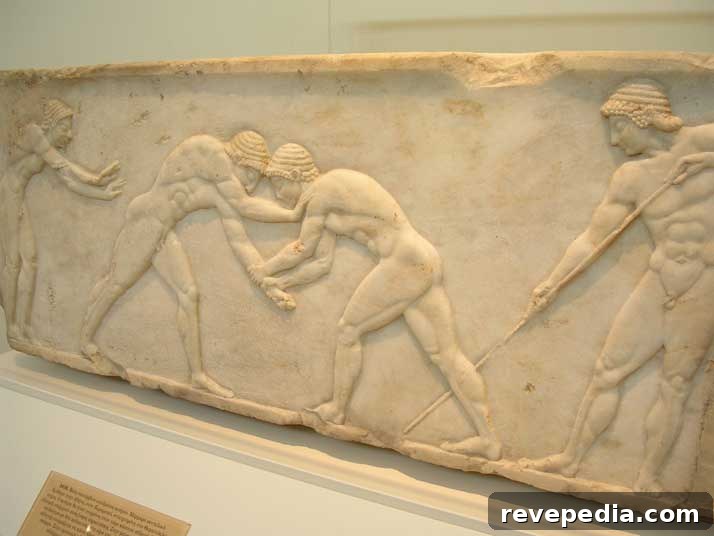
Wrestling is one of humanity’s oldest organized sports, with roots tracing back thousands of years. The Sumerians practiced forms of wrestling over 5,000 years ago, and the Greeks refined it into one of the original Olympic events.
There are many wrestling styles worldwide, each governed by its own rules. Regardless of style, wrestling requires minimal equipment but demands exceptional discipline, conditioning, and technical training.
Equipment
Wrestling’s low equipment requirements help its global popularity. While informal wrestling happens in homes and backyards, safe competition requires a regulation mat, protective headgear to prevent ear damage, specialized wrestling shoes for traction and flexibility, and appropriate attire—often a one-piece singlet that fits snugly to prevent grabbing and ensure freedom of movement.
Preparation
Success in wrestling is built off the mat as much as on it. The sport demands rigorous conditioning, strict nutritional habits, and mental toughness. Like boxing, wrestling divides athletes into weight classes; competitors weigh in a few hours before their match. Failing to make the required weight results in forfeiture. Managing weight—either maintaining a natural weight or responsibly cutting weight—affects daily life and training. Weight cutting should be monitored closely, especially for youth athletes, who should compete at natural, healthy weights.
Major Styles
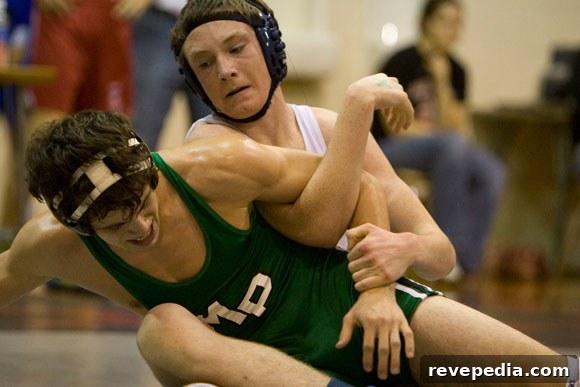
In the United States, three principal amateur wrestling styles are practiced: American folkstyle, freestyle, and Greco-Roman. Each style emphasizes different techniques and scoring priorities.
American Folkstyle
Folkstyle wrestling has long American roots and was widely practiced during the nation’s early years. Several notable historical figures, including Abraham Lincoln and Theodore Roosevelt, had wrestling backgrounds. Today, folkstyle is the dominant form of scholastic and collegiate wrestling across the U.S.
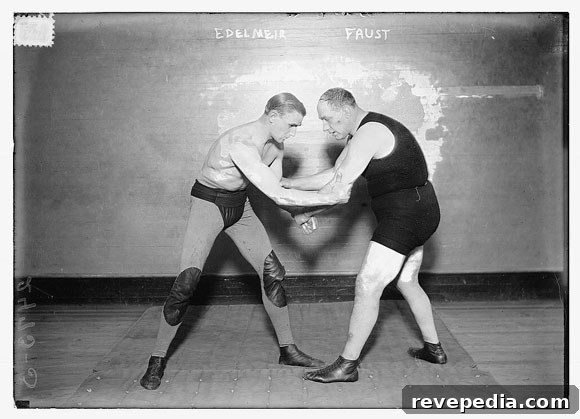
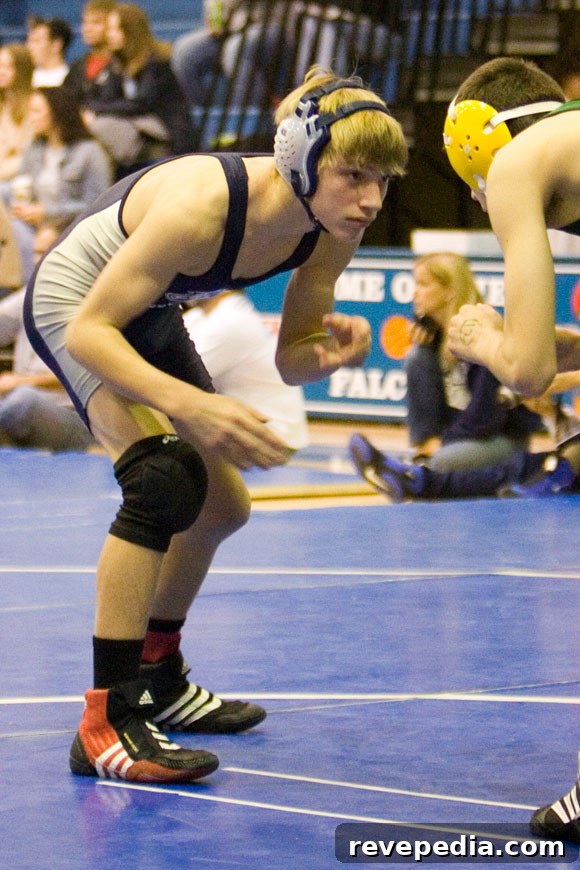
Matches are divided into three periods; period lengths vary by level (typically two to three minutes). The first period always begins from a neutral standing position. In the second and third periods, wrestlers alternate choices to start on top, bottom, or neutral. Points are awarded for takedowns (usually 2 points), reversals (2 points), escapes (1 point), and back exposure (2–3 points depending on duration and circumstances). At the college level, riding time—maintaining control on top for more than 60 seconds advantage—also earns a point. Matches can end by pin (holding an opponent’s shoulders to the mat for the required time), technical fall (a point differential threshold), points after three periods, or disqualification for rules violations.
Freestyle
Freestyle wrestling, contested at the Olympics, is popular internationally. While its goal—taking an opponent down and exposing their back—mirrors folkstyle, the scoring and some permitted techniques differ. American legends like Dan Gable and Cael Sanderson excelled in folkstyle before achieving world and Olympic success in freestyle, demonstrating the transferable skills between the styles.
Greco-Roman
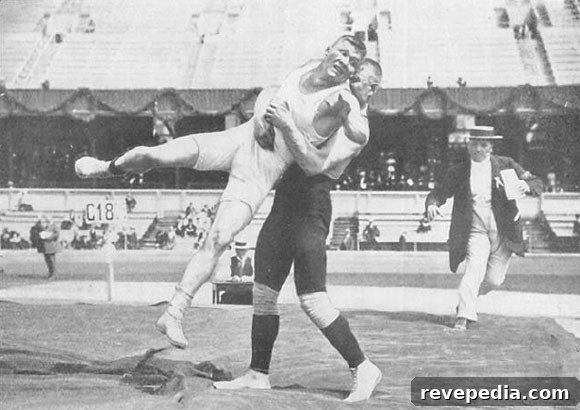
Greco-Roman is less common in the U.S. but highly dynamic to watch. It forbids holds below the waist, forcing wrestlers to rely on upper-body strength, throws, and clinch work. The style often resembles judo’s throwing techniques, but without a gi.
Female Wrestling
Although historically male-dominated, wrestling has expanded dramatically for women and girls. Women’s wrestling became an Olympic sport in 2004, and participation continues to grow at youth, high school, collegiate, and international levels.
Impact on Mixed Martial Arts
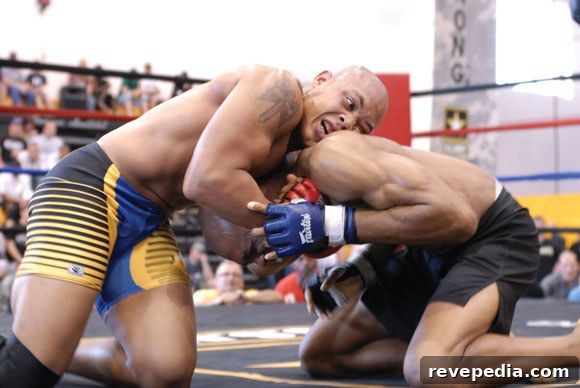
Amateur wrestlers traditionally compete for the love of the sport rather than riches. However, the rise of mixed martial arts—especially the UFC—has created professional opportunities for wrestlers. Many top MMA fighters began as collegiate or Olympic wrestlers (examples include Randy Couture, Matt Lindland, Brock Lesnar, and Dan Henderson). Wrestling provides invaluable attributes for MMA: superior body control, conditioning, balance, and ingrained technique for takedowns and positional dominance—skills that often provide a decisive edge in competition.
Wrestling Hall of Fame
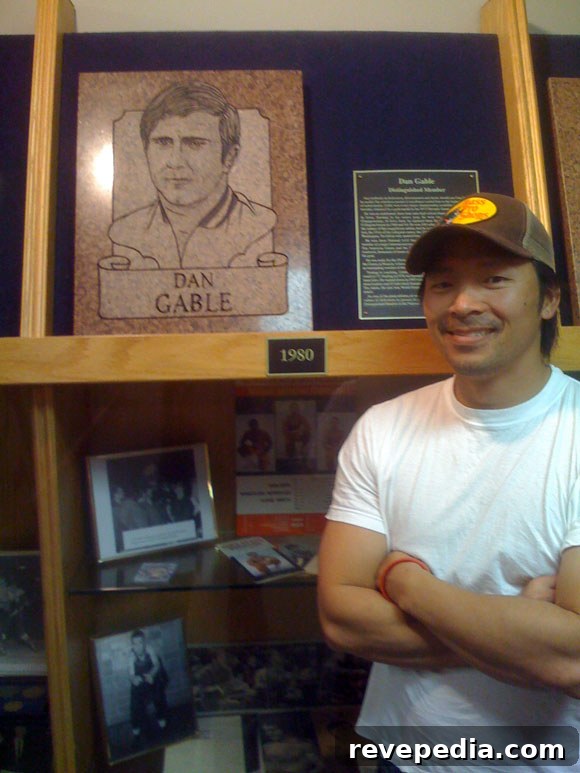
If you’re traveling along I-35 through Oklahoma, consider a detour to Stillwater, home to Oklahoma State University and the National Wrestling Hall of Fame. The museum houses extensive wrestling history and artifacts and is one of the most comprehensive halls of fame dedicated to any sport. I visited and posed next to the Dan Gable display—yes, I admit I’m a bit of a wrestling nerd.
Support the USA
The United States competes in Olympic freestyle wrestling on August 10th. Use this primer to appreciate the athleticism and technique on display, and consider cheering for Team USA and athletes like Jordan Burroughs, who is often regarded among the top medal contenders.