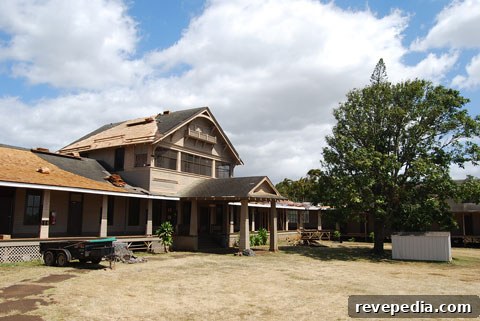
While visiting Maui, we had the pleasure of touring designer Xorin Balbes’ latest project, Ke-Ao Lanihuli, a name that translates as “The light from the heavens to overturn old conditions bringing enlightenment.” The name feels deeply appropriate for this property, which aims to inspire transformation and renewal.
You may recognize Xorin from his many design projects featured in Architectural Digest, Metropolitan Home and on HGTV. He is also known for restoring architecturally significant buildings such as Lloyd Wright’s 1926 Sowden House, the Talmadge Villa in Los Feliz, and the 1929 Art-Deco Security First Pacific Bank building.
Xorin’s passion projects focus on conserving and restoring architectural treasures, and his work in Maui continues that commitment. His design approach has been shaped by a personal journey toward greater purpose and meaning, and he seeks to share a more soulful way of living through his projects.
Ke-Ao Lanihuli is intended to embody his SoulSpace process.
He describes the SoulSpace process this way:
The SoulSpace process teaches people to listen to the messages revealed by how they’ve unconsciously arranged their homes, so they can reshape their spaces to support the lives they want—lives that feel fulfilling, nourishing and strong. When homeowners and renters face their belongings, confront fears, clear clutter, and discover personal truths, they can channel creativity, transform their homes and lives, and find refuge, renewal and splendor within their own four walls.
Instead of designing by a checklist of products and materials, Xorin focuses on a person’s true desires, creating living spaces that enrich both spiritually and visually. That inward focus is often missing from mainstream design thinking, and his approach is applicable to anyone open to it.
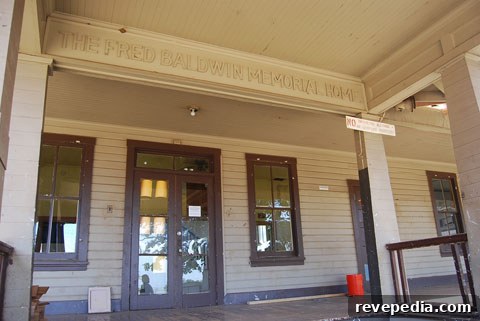
Ke-Ao Lanihuli occupies the former site of the Fred Baldwin Memorial Home. The Baldwin family was one of Hawaii’s original “Big Five” companies and played a major role in large-scale sugarcane production. For many Native Hawaiians, the Baldwin legacy is controversial, and some associate the family with cultural losses that followed plantation-era development.
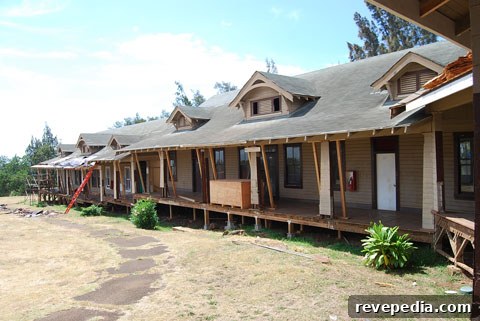
Despite the site’s complex history, Xorin purchased the property on a hillside above the surf town of Paia. In keeping with the meaning of Ke-Ao Lanihuli, his goal is to create a place of healing—somewhere visitors can focus on the area’s natural beauty and find inspiration to change for the better.
The setting is exceptionally serene: the property sits high above the ocean, surrounded by rolling hills and deep ravines, offering expansive views that encourage quiet reflection.
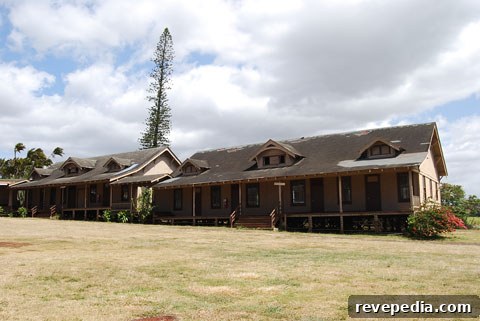
Our host Jason, who manages the project, gave us a detailed tour and shared the ranch’s history. The building was constructed in 1910 by the Baldwin family as a home for the elderly. The Fred Baldwin Memorial Foundation still exists today as a grant-making organization supporting programs throughout Maui County.
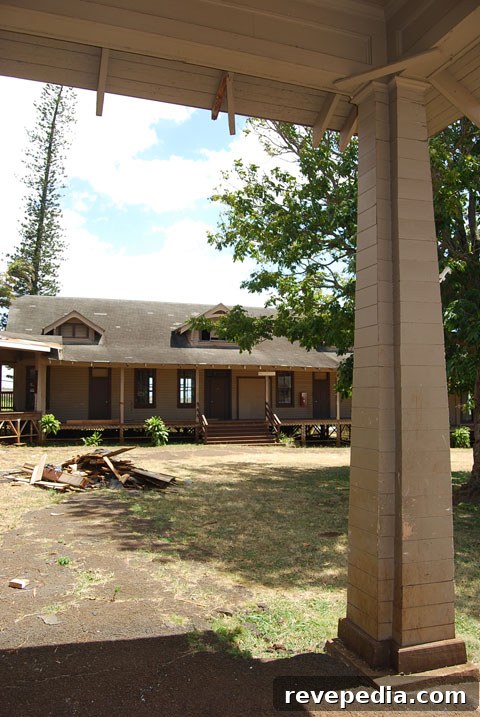
Designated a historical landmark, the main structure reflects plantation-era Hawaiian architecture. It will serve as the property’s central event space. Two dormitory-style buildings flank the main structure and are planned to house visitors.
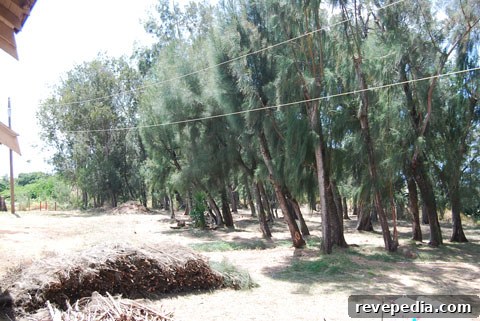
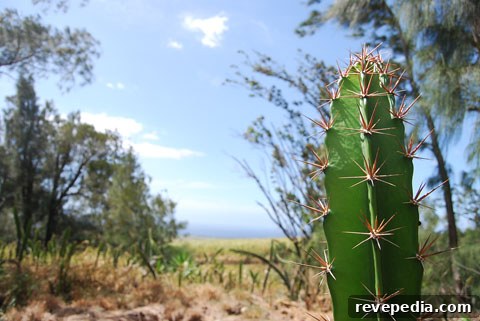
To the north of the property, a stand of pine trees whispers in the wind, and we discovered a grouping of cactus—yes, there is cactus in Hawaii. Behind the buildings are banana, papaya and mango trees, plus a few smaller outbuildings. The surrounding flora and fauna are breathtaking and very much characteristic of Hawaii, while the towering pines and wide ocean views are particularly striking.
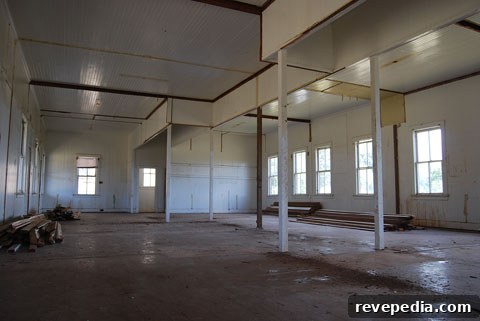
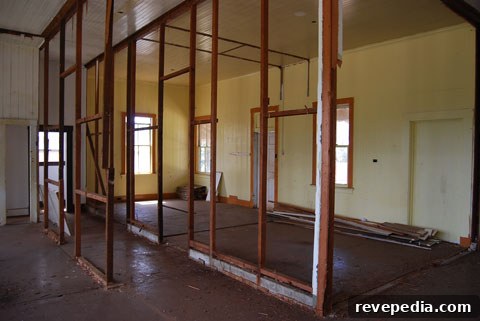
The structures were built from California redwoods, floated to Maui from the mainland. During the journey the wood “cured,” making it highly resistant to water, insects and rot, which is why the buildings feel remarkably preserved for their age. Renovation work preserves the structures’ original “bones,” retaining as much of the existing flooring, walls and roofing as possible. The redwood’s distinct scent is still noticeable on site, a reminder of the rare material used in these century-old buildings.
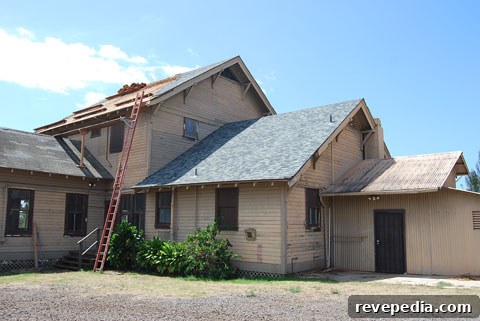
Project organizers estimate the renovation will approach completion by the end of the year, with guest stays potentially beginning in 2011.
We look forward to returning to Ke-Ao Lanihuli to see Xorin’s vision realized. This project promises to be a meaningful addition to Maui—an adaptive reuse that honors Hawaiian tradition while creating a peaceful community resource.
You can follow the Ke-Ao Lanihuli restoration and Xorin’s reflections on the SoulSpace process on his blog. For additional images, visit the project’s Flickr photo gallery.