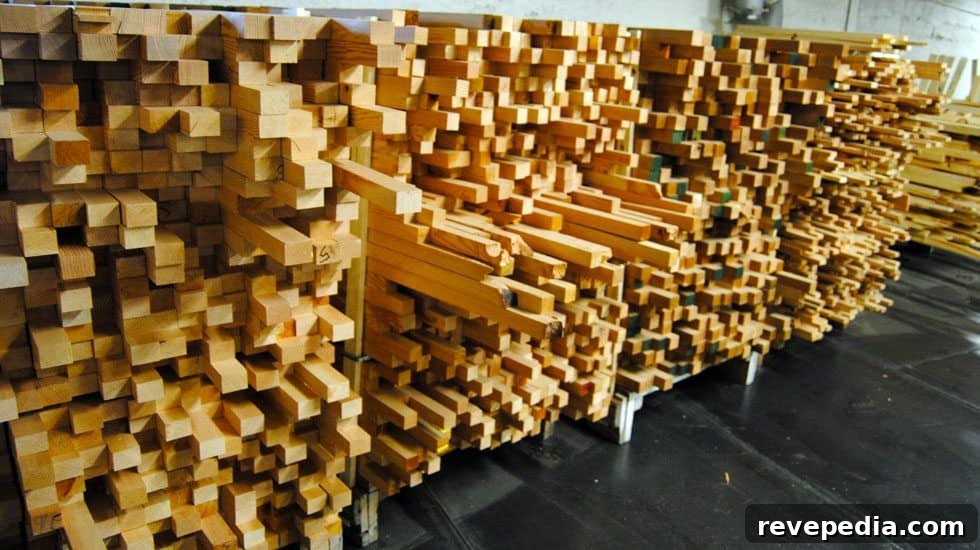
There is considerable confusion about what separates hardwood from softwood. The distinction is not based simply on how hard the wood feels. A softwood is not necessarily a soft material, and a hardwood is not always hard. In fact, some softwoods can be harder than many woods classified as hardwoods, and several hardwoods are among the softer commercial species. There is no strict numerical threshold of hardness that divides the two categories.
The practical difference is botanical and rooted in lumber-trade tradition: coniferous trees are classified as softwoods, while broad-leaved trees are called hardwoods. Coniferous trees—commonly referred to as evergreens—bear needles or scale-like leaves. Broad-leaved species are typically deciduous, shedding their leaves each year in many regions.
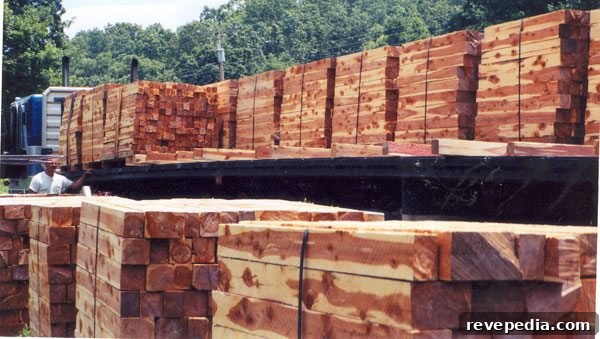
According to the National Lumber Manufacturers Association, the softwoods commonly found and used in the United States include cedar, juniper, cypress, Douglas fir, true firs, hemlock, larch, pine, redwood, spruce, tamarack, and yew. These species are widely used for framing, siding, decking, and many structural and outdoor applications because of their workability and availability.
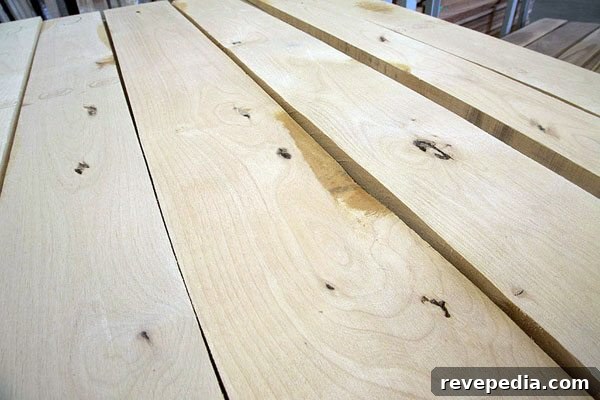
Hardwoods include species such as alder, ash, aspen, basswood, beech, birch, buckeye, butternut, cherry, chestnut, cottonwood, elm, gum, hackberry, hickory, locust, magnolia, maple, oak, sycamore, walnut, willow, and yellow poplar. These woods are commonly used for furniture, cabinetry, flooring, and fine woodworking because of their grain characteristics, durability, and finishing qualities.
When selecting wood for a specific project, consider factors beyond the hardwood/softwood label: density, grain pattern, stability, workability, resistance to decay, and the intended use. For structural needs, many softwoods offer excellent strength-to-weight ratios and are economical. For visible, finish-sensitive work, hardwoods often provide attractive grain and greater wear resistance. Understanding the botanical classification helps clarify terminology, but choosing the right species depends on performance requirements and aesthetic goals.