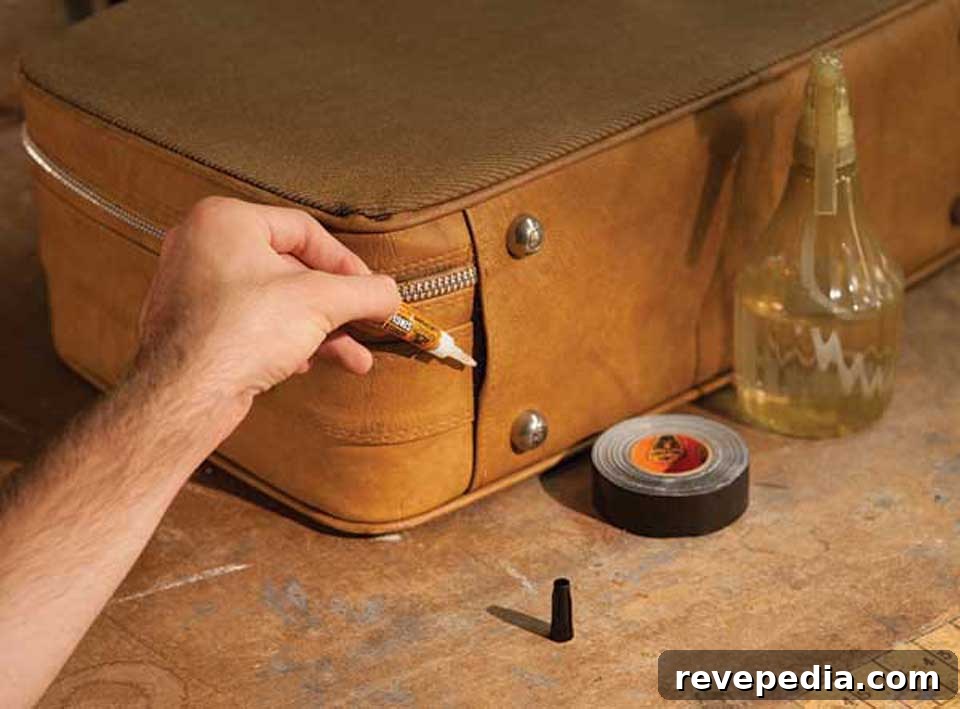
When you work on DIY projects, accidents and mishaps are part of the process. Not the dangerous, hospital-worthy kind—more the small “oops” moments that pop up despite careful planning. To help you recover from those setbacks, here are five essential, versatile, and reliable adhesives every workshop should have. They cover a wide range of materials and scenarios so you can get your project back on track quickly and effectively.
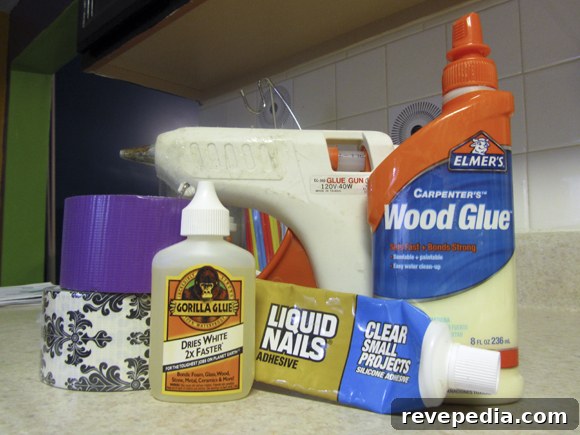
1) Duct Tape
Duct tape is the classic all-purpose fix. It’s a strong temporary solution for holding parts together, sealing gaps, bundling, and even labeling. Modern options include colored and patterned varieties, which can add a decorative touch or help with organization. While it’s not suitable for permanent structural repairs or actual HVAC ductwork, its flexibility and ease of use make it indispensable for quick, on-the-spot fixes.
2) Hot Glue
Hot glue guns have moved well beyond basic crafts. Hot-melt adhesive bonds quickly and works well for lightweight assemblies, prototyping, and temporary fixtures. It’s particularly convenient when you need an immediate hold and plan to reposition pieces before the glue fully cools. Be cautious with heat-sensitive or meltable materials, and use appropriate glue sticks for the substrate you’re working with.
3) Wood Glue
Formulated specifically for wood and other porous materials, wood glue creates a durable, long-lasting bond that often becomes stronger than the wood itself. It’s ideal for furniture repair, cabinetry, and woodworking projects. Wood glue typically requires clamping and extended drying time for a strong joint; some formulas can dry to a yellowish tint, so consider finish and color if the glue line will be visible. For best results, follow the manufacturer’s recommendations for clamping time and curing.
4) Clear Construction Adhesive (Liquid Nails-style)
Clear construction adhesives combine strong structural holding power with an unobtrusive finish, making them suitable for trim, moldings, countertops, and many household repairs. These products usually offer a short initial setup time—about ten minutes—so you have a small window to align parts before the bond begins to take. Full curing often requires a longer period, commonly around 16 hours, so plan accordingly. Compared with small tubes of super glue, clear construction adhesive is easier to apply over larger areas, more forgiving during positioning, and less likely to seal itself shut in the tube.
5) Polyurethane Adhesive (Gorilla Glue-style)
Polyurethane adhesives deliver extremely strong bonds and are often compared to epoxy in terms of holding power. These glues expand as they cure—sometimes up to three times the applied volume—so you need to clamp pieces during drying to control squeeze-out and ensure a tight joint. They generally cure within 30–60 minutes for an initial set and continue strengthening over time. Because they can dry a visible white color, cleanup of excess material is important if appearance matters. Use these adhesives for demanding repairs where maximum strength is needed.
Bonus: Gunk Removers
If adhesive gets on your skin or non-porous surfaces, a small amount of mineral spirits or acetone-based nail polish remover will usually dissolve the residue. Nail polish remover is often preferred for skin because it removes stains and adhesive without the heavy oily residue and strong odor associated with mineral spirits. Always test a solvent on a small, inconspicuous area first and take proper ventilation and safety precautions. For porous surfaces or delicate finishes, avoid harsh solvents that could damage the material.
Having these adhesives on hand lets you handle a wide range of repairs and creative projects with confidence. Duct tape and hot glue cover quick, temporary fixes and craft tasks. Wood glue and clear construction adhesive provide strong, neat bonds for woodworking and household projects. Polyurethane adhesives offer maximum strength for heavy-duty repairs. Pair them with the right cleaners for safe and effective cleanup.
What are your go-to adhesives for projects and repairs? Share your favorites and tips in the comments below.