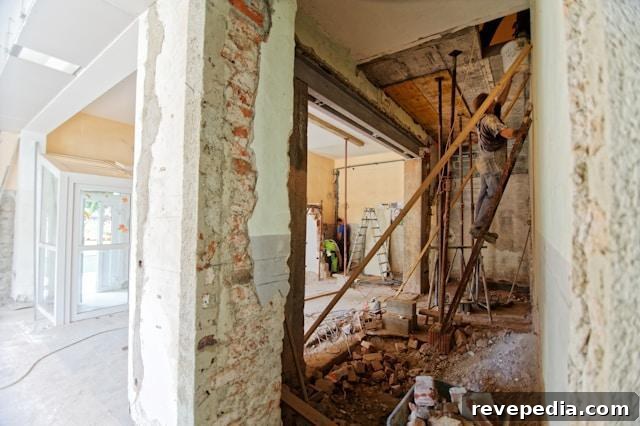
Home renovations breathe new life into your living space, but costs can quickly accumulate. Whether you’re planning a minor update or a full-scale overhaul, choosing the right financing approach can have a major impact on your budget and long-term finances.
Traditional methods like personal savings or home equity loans remain common, but there are several creative alternatives that may offer greater flexibility, lower rates, or advantages tailored to renovation projects. Below are practical financing options to help you make informed decisions and achieve your renovation goals.

Cash-Out Refinancing: Unlock Your Home Equity
Cash-out refinancing lets you replace your current mortgage with a larger one and take the difference in cash to fund renovations. This approach often provides lower interest rates than many unsecured loans, especially when your property has appreciated. For homeowners with substantial equity, cash-out refinancing is a convenient way to access significant funds without opening a separate loan.
Keep in mind the trade-offs: raising your mortgage balance can increase monthly payments and extend the time you’re carrying mortgage debt. Refinancing also involves closing costs and fees, so compare the total cost and the new loan’s terms to ensure it aligns with your long-term financial plan.
Home Equity Line of Credit (HELOC): Flexible, Pay-as-You-Go Funding
A Home Equity Line of Credit (HELOC) is a revolving credit line secured by your home’s equity. Unlike a lump-sum loan, a HELOC allows you to borrow as needed and pay interest only on the amount you use. This makes it especially useful for phased renovations where expenses unfold over time.
HELOCs typically offer competitive rates and longer draw periods, making them ideal for homeowners who want flexibility. However, many HELOCs have variable interest rates, so payments can fluctuate. Since the loan is secured by your house, failing to repay could put your home at risk. Evaluate your repayment ability and factor in potential rate changes before committing.
Contractor Financing: In-House Plans and Partnerships
Some contractors provide in-house financing or collaborate with lenders to offer project loans. These arrangements often include promotional periods with low or zero interest, allowing you to spread out payments without immediate interest costs. Such plans can simplify the payment process and reduce the need for separate loan applications.
Before accepting contractor financing, read the terms closely—especially what happens after promotional periods end. Interest rates can rise significantly once a promotional window closes, turning an affordable plan into an expensive one if the balance remains unpaid. Also confirm whether financing is tied to contractor performance or project completion.
Credit Cards: Best for Small, Short-Term Costs
Credit cards are generally not recommended for large renovation budgets due to higher interest rates, but they can work well for small, quick projects or for covering incidental expenses like hardware, fixtures, or temporary labor. Cards with introductory 0% APR periods or generous rewards can provide short-term financing while earning cash back or points.
Use credit cards only for amounts you can repay quickly to avoid compounding interest. Before charging supplies or services, calculate whether rewards or convenience outweigh potential interest costs if you cannot pay the balance in full.

Personal Loans: Fast, Unsecured Financing
Personal loans provide a fixed, unsecured option for smaller renovation projects. They usually offer fixed interest rates and predictable monthly payments, which simplifies budgeting. Because they don’t require collateral, personal loans are a good fit for upgrades like bathroom refreshes, new flooring, or interior painting.
Interest rates on personal loans are typically higher than those on home-secured loans, so they’re best for moderate amounts where convenience and speed outweigh slightly higher costs. Compare offers from multiple lenders to secure the best rate and terms for your situation.
Peer-to-Peer Lending: Alternative Borrowing from Individuals
Peer-to-peer (P2P) lending platforms connect borrowers with individual investors and can offer competitive rates and a streamlined application process. P2P lending can be particularly appealing to borrowers who may not qualify for traditional bank financing or who want an alternative to institutional lenders.
As with any loan type, be sure to read all fees and terms. Interest rates and origination fees vary by platform and borrower risk profile. Do thorough research and compare offers to ensure the P2P option is a cost-effective fit for your renovation plans.
Choosing the Right Option
Selecting the ideal financing method depends on the scale of your renovation, your credit profile, how quickly you need funds, and your tolerance for risk. For major projects, home-secured options like cash-out refinancing or HELOCs often provide lower rates. For smaller, short-term needs, credit cards or personal loans can be more convenient. Contractor financing can simplify payments but requires careful scrutiny of terms.
Before you decide, obtain multiple quotes, compare total borrowing costs (including fees), and consider the impact on your monthly budget and long-term financial goals. A thoughtful approach to financing will help you complete your renovation while preserving financial stability.
Conclusion
Home renovations can be financed in many smart ways beyond tapping savings or taking a single loan. By exploring cash-out refinancing, HELOCs, contractor financing, personal loans, credit cards for short-term needs, and peer-to-peer lending, you can find the solution that fits your project size and financial situation. Evaluate risks and rewards, read terms carefully, and choose the option that helps you renovate responsibly and confidently.