Most job-site injuries are not caused by equipment failures. Instead, they result from insufficient separation between workers and live traffic, improperly marked zones, and barriers that shift or topple under pressure.
Residential construction projects often take place in active neighborhoods, on busy streets, and in shared community spaces where safety is just as important as productivity. Whether crews are building a new home, replacing a driveway, or upgrading utilities in a subdivision, keeping workers, equipment, and nearby traffic separated is essential.
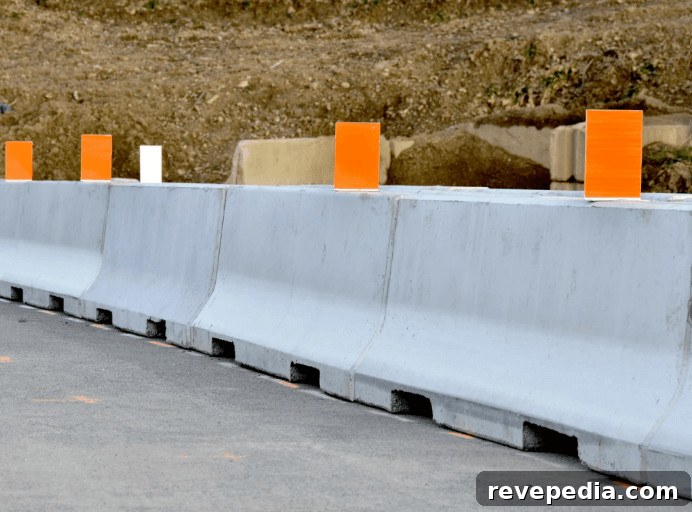
Concrete safety barriers create clear boundaries that protect crews and reduce confusion around active work zones. Unlike cones or lightweight plastic barriers, concrete barriers remain stable under pressure and deliver dependable protection where vehicles and pedestrians pass close to the job site.
These benefits go beyond regulatory compliance. Below are the reasons experienced project managers repeatedly choose concrete barriers for residential and small-scale projects.
1. They Establish an Impassable Physical Line
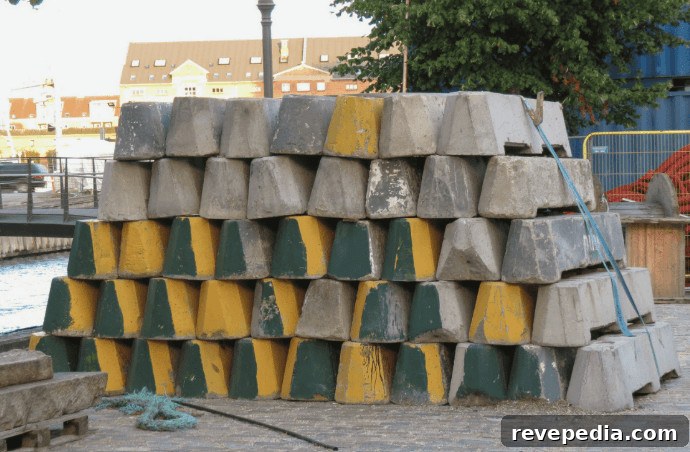
Traffic and site control barriers are engineered for active conditions where cones or water-filled plastic units are insufficient. Concrete barrier systems, such as Jersey barriers or K-rail sections, weigh several thousand pounds and resist displacement on impact.
These barriers stop or redirect vehicles more effectively than signage or delineator posts, especially at speeds typical in residential areas. A vehicle that strikes a properly installed concrete barrier is redirected away from workers and equipment, reducing the risk of catastrophic incidents. Concrete barriers meet or exceed many traffic-control standards, providing passive protection that doesn’t require personnel to remain near hazards.
2. They Precisely Define Work Zones
Concrete barriers do more than halt vehicles: they create a clear, visible boundary that indicates exactly where work begins and ends, reducing confusion for workers, residents, delivery drivers, and pedestrians.
On residential projects—driveway replacements, utility repairs, or home additions that occur just feet from active streets and sidewalks—this distinction is especially important. Clear barrier lines keep neighbors and passersby away from equipment and work areas, and make it easy for inspectors to verify that the traffic-control plan is in place.
Barrier sections can be arranged in straight runs, curves, or around corners to conform to nearly any site layout. Whether crews are working near a cul-de-sac, a neighborhood intersection, or a narrow residential lane, concrete barriers adapt to the space and maintain consistent protection.
3. They Protect Workers from High-Speed Impact
Concrete safety barriers are designed to absorb and redirect impact rather than collapse or slide away. Their mass and profile direct vehicles back toward the travel lane, lowering the likelihood of severe injuries to workers standing nearby.
Because struck-by incidents remain among the leading causes of construction fatalities, employing robust physical protection is critical—especially on residential projects that sit adjacent to open streets. Paving crews resurfacing neighborhood roads, utility teams repairing underground lines, and sidewalk crews in active subdivisions all benefit from the extra layer of protection concrete barriers provide.
While plastic barriers can be effective for low-risk or short-duration setups, they are more prone to shifting, cracking, or tipping when struck. Concrete barriers retain their position and require less ongoing maintenance through the life of a project.
4. They Reduce Long-Term Site Costs
Although renting concrete barriers may have a higher upfront cost than plastic alternatives, their durability changes the economics over multi-week or multi-month projects. Concrete sections typically survive minor impacts without needing replacement. They don’t crack or leak in cold weather, and they stay put in wind, eliminating repeated repositioning and repair labor.
Plastic water-filled barriers often require refilling, realignment, or replacement after incidents, generating added labor and rental costs. On longer projects with dozens or hundreds of units, the time crews spend maintaining lightweight barriers quickly adds up—time that interrupts productivity. With concrete barriers, you set the perimeter once, with far fewer follow-up maintenance demands.
5. They Suit Almost Every Job Site Type
Concrete safety barriers are not limited to highway projects. Their advantages apply across a broad range of environments: commercial parking lots undergoing utility work, bridge or road repairs, perimeter control at facilities, and temporary staging around construction equipment.
Contractors use them to separate equipment staging areas from pedestrian zones. Event planners place them at entrances to protect crowds from vehicle intrusions. Energy and utility companies use them around sensitive installations. Parking operators employ them to define lanes or manage traffic flow. Because barrier sections are modular, crews can deploy, reposition, or remove them without specialized equipment in most cases, allowing flexible reconfiguration as work progresses.
Conclusion
The primary advantages of concrete safety barriers on active job sites come from their mass, shape, and practicality. They stop and redirect vehicles that lighter solutions cannot, and they create unmistakable work-zone boundaries. By reducing struck-by risks, cutting maintenance and replacement costs, and adapting to many site conditions, concrete barriers offer reliable, cost-effective protection.
For neighborhood roadwork, driveway replacements, new home construction, and residential utility upgrades—projects that place workers close to streets and sidewalks—concrete barriers remain one of the most practical and dependable traffic-control solutions available.