
The last few decades have brought a major shift in residential design. Where once homes were created primarily to impress visitors, modern home design centers on crafting a personal sanctuary that prioritizes health and well-being as much as aesthetics.
This shift reflects a growing recognition of how our surroundings influence everything from physical comfort to mental resilience. With intentional design changes, you can transform your living space into one that supports overall wellness without demanding constant effort or dramatic lifestyle changes.
Practical Home Design for Better Health
Improving your health is often framed as a matter of willpower, but your environment has a far larger influence than most people realize. Daily surroundings can either encourage healthy habits or undermine them. While medical interventions can be necessary in some cases, many people find that shaping their living space supports sustainable, long-term well-being.
The suggestions below describe straightforward ways to arrange your home so it nudges you toward healthier choices effortlessly and consistently.
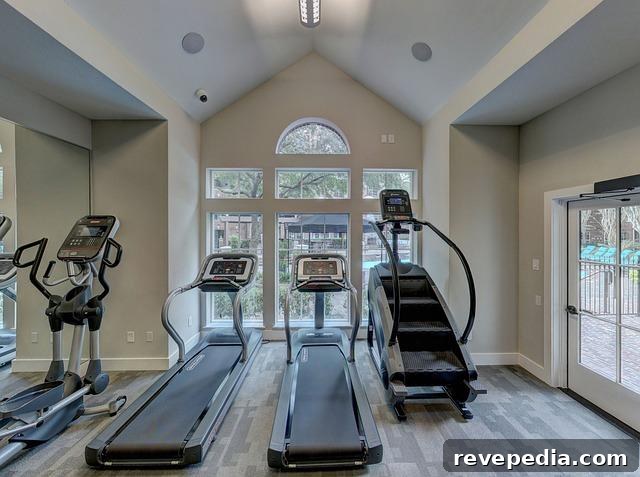
Create a Dedicated Fitness Zone
Starting and sticking with an exercise routine is often the hardest step. Commuting to a gym means scheduling, travel time, and extra costs, all of which can become excuses. A compact, dedicated exercise area at home removes many of those barriers and makes movement easier to fit into a busy day.
You don’t need an elaborate setup. A small, clearly defined space with good ventilation and natural light can be highly motivating. Keep basic equipment—yoga mat, resistance bands, a jump rope—within easy reach so short workouts are simple to start. Reducing friction like this increases the likelihood you’ll move regularly, even on low-energy days.
Encourage Movement through Layout
How your home is arranged has a big effect on how much you move. Many modern interiors emphasize convenience, putting frequently used items within arm’s reach. While efficient, this layout can inadvertently reduce everyday activity.
Introduce subtle barriers to prolonged sedentary behavior by placing commonly used items—chargers, books, water bottles—in different rooms or on different shelves. These small changes prompt more frequent movement throughout the day. Over weeks and months, the accumulated additional steps and changes in posture can markedly improve overall activity levels and health.
Design Your Kitchen for Healthier Eating
Your kitchen’s layout strongly influences eating habits—often more than willpower alone. When a kitchen feels inconvenient, meal preparation becomes a chore and you’re likelier to opt for quick, less nutritious choices.
Arrange cabinets so wholesome foods are at eye level and easy to reach, while treats and less healthy options are stored out of the immediate line of sight. Keep prepped, healthy snacks in convenient spots so grabbing something nutritious becomes the default choice. Because people favor the path of least resistance, these adjustments can nudge food choices in a healthier direction without conscious effort.
Have a Dedicated Space for Relaxation
Wellness isn’t only diet and exercise—relaxation matters too. Many of us default to screen-based downtime, which can make it harder to truly detach and recover.
Designate a quiet corner of your home solely for rest: a comfortable chair, soft lighting, and minimal electronics. Position this space away from high-traffic areas so it feels physically and mentally separate from daily tasks. A dedicated relaxation zone helps signal to your body and mind that it’s time to unwind, improving stress recovery and emotional balance.

Design for Better Sleep
Sleep is a foundational but often neglected component of health. Even with good nutrition and regular exercise, poor sleep can erode progress. The bedroom’s design—lighting, color, temperature, and airflow—plays a vital role in signaling your body that it’s time to rest.
Choose warm-toned bedside lighting or lamps with dimmers to create a calm, sleep-friendly atmosphere. Keep the room cool and well-ventilated, and remove or minimize sources of noise and blue light. Thoughtful choices in bedding, window treatments, and layout make it easier to fall asleep and stay asleep, supporting recovery and daytime functioning.
Design a Home That Supports Your Well-Being
Creating a healthier home doesn’t require a full renovation or expensive upgrades. Small, purposeful adjustments can reshape daily habits in meaningful ways. When your living space makes it easier to move, eat well, relax, and sleep, healthy behaviors become integrated into everyday life without extra effort.
Designing with intention turns your home into an ally for well-being. Over time, these simple changes add up to lasting improvements in both physical and mental health. Your home should not only look good—it should help you feel your best every day.