Hardwood flooring is one of the few interior renovation choices a DIY homeowner can make that truly endures. When selected and installed correctly, hardwood floors can last 30 to 50 years in a typical home and can be refinished multiple times; by contrast, a poorly chosen or improperly installed floor may show visible wear within a decade and become an unexpected replacement project.
Homeowners who do their research before ordering samples almost always get significantly better outcomes than those who choose on looks alone or simply pick whatever their local big-box store stocks.
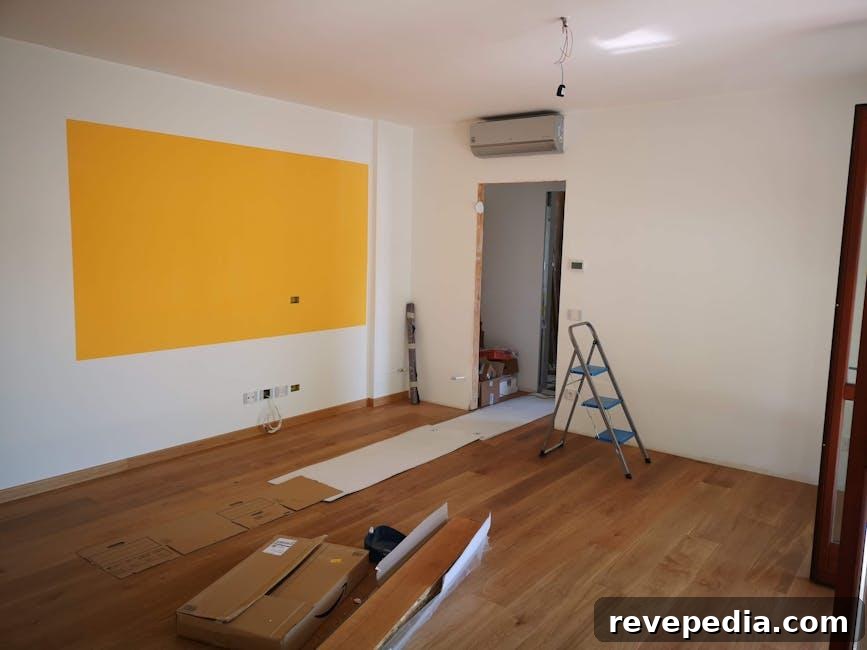
Photo by Pietro Greco on Pexels
Choosing hardwood for a renovation is a common decision in the U.S. DIY market. Catalogues from suppliers like Really Cheap Floors and comparable vendors typically present solid and engineered lines across standard species, several grade tiers, and palletised shipping. The catalogue rewards buyers who understand construction differences before ordering samples: a few hours of preparation can save substantially on installation and long-term maintenance.
Why the DIY Hardwood Decision Matters More Than Most Home Improvements
Hardwood flooring is among the longest-lasting interior choices a homeowner makes. Species, grade, finish, and installation method combine to create a floor the household will live with for decades.
Key factors that shape the decision include:
- Lifespan and refinishing capacity. A 3/4-inch solid hardwood floor can support four to seven full refinishings over its life. An engineered floor with a 3–6 mm wear layer typically supports two to three refinishings. Engineered planks with very thin veneers cannot be sanded and refinished.
- Subfloor compatibility. Solid hardwood normally requires a wood subfloor and is not suitable directly over concrete slab. Engineered hardwood is appropriate for slab-on-grade installations, which matters for many homes built since the 1990s.
- Climate sensitivity. Solid hardwood expands and contracts seasonally with humidity changes (roughly 30–55% relative humidity). Engineered hardwood, with its plywood substrate, moves much less, making it a better choice for kitchens, basements, and rooms with moisture exposure.
- Cost-per-year math. Lifetime cost (materials + installation + expected refinishings) often favors solid hardwood for homeowners who plan to keep the home for decades, while engineered hardwood tends to make sense when subfloor or moisture constraints exist.
A useful definition: the wear layer is the top layer of an engineered plank that takes foot traffic and the eventual refinishing. Wear layers above about 3 mm—often rotary-peeled or sliced—support multiple refinishings; veneers below about 2 mm generally cannot be sanded back and are limited to their original factory finish.
The same material-and-finish thinking behind exterior choices such as yakisugi (shou sugi ban) charred-wood siding carries through to interior flooring: how wood and finishes age and weather over time should inform both decisions.
What to Look For in a Hardwood Supplier
Before placing your first sample order, check suppliers against this short checklist:
- Clear veneer thickness disclosure for engineered products. Reputable suppliers publish the wear-layer thickness for every engineered product. Vague listings that only say “engineered hardwood” without a millimetre figure are a red flag.
- Janka hardness ratings for species. Published Janka ratings let you match species to household traffic. Common domestic ratings include red oak (1290), white oak (1360), maple (1450), hickory (1820), and walnut (1010).
- Multiple grade tiers. Offerings such as select, common, and cabin grades within the same species let homeowners trade cost for character without changing the colour family.
- Certified sourcing and standards. Reputable catalogues follow industry grading and installation standards such as those from the National Wood Flooring Association; engineered products should reference substrate standards like those from the APA Engineered Wood Association.
- Sample availability. Hardwood colour and grain vary in person, so trustworthy suppliers will send physical samples on request rather than relying on photos.
- Transparent freight policy. Hardwood ships on pallets and freight can be significant. The supplier should publish clear freight terms so you understand all-in costs before ordering.
Photo by Natalia Sevruk on Pexels
Common Mistakes DIY Homeowners Make When Choosing Hardwood
These recurring mistakes often appear in post-project reviews:
- Installing solid hardwood over slab-on-grade. Solid hardwood over concrete often cups, gaps, or buckles within a few years as moisture migrates from the slab. Engineered hardwood is the right choice for slab-on-grade installations except in unusually dry climates.
- Skipping acclimation. Solid and many engineered floors require five to 14 days of acclimation in the room where they will be installed. Skipping this step can cause seasonal gapping or cupping during the first humidity cycle.
- Neglecting subfloor preparation. Subfloor flatness—typically within 3/16 inch over 10 feet—matters as much as flooring quality. Floors installed over an out-of-tolerance subfloor will squeak, gap, and wear unevenly even with premium materials.
- Choosing on price per square foot alone. Lifetime cost includes materials, installation, underlayment, freight, and refinishing. The cheapest material per square foot is rarely the cheapest floor over 20 years. When comparing real wood with wood-look alternatives, remember only real wood can be refinished.
- Ignoring species-versus-traffic considerations. Species like maple or walnut will show wear faster in a home with multiple large pets than a harder species such as hickory or oak. Match species to real household traffic.
- Skipping moisture testing. Slab-on-grade and basement installations need a moisture meter test before flooring goes down. The test takes minutes and prevents the cupping and buckling that often appear within 18–36 months.
Frequently Asked Questions from DIY Homeowners
Can a DIY homeowner install hardwood without professional help?
Floating engineered floors with click-lock systems are often within the capability of confident DIYers and can typically be completed in a few weekends. Nail-down solid hardwood or glue-down engineered systems usually require specialized equipment, careful subfloor preparation, and more trim work—factors that often justify professional installation. While hiring pros adds cost, the consequences of a poorly executed installation frequently outweigh the savings.
How much does DIY hardwood flooring typically cost?
Material costs typically range from about $4 to $12 per square foot for solid hardwood and $3 to $10 per square foot for engineered hardwood. A typical 1,000-square-foot DIY project—including materials, underlayment, and tools—can run roughly $5,000 to $15,000 depending on species, grade, and whether you already own necessary tools. Professional installation commonly adds $3 to $6 per square foot.
Prefinished or site-finished for a DIY project?
Prefinished hardwood is the better choice for most DIY projects. Factory-applied finishes are generally more durable than site-applied finishes, the floor can be walked on the same day, and the homeowner avoids rental costs for sanders and finishing equipment. Site-finished floors still make sense when matching existing original floors or when a very specific custom finish is required.
Engineered or solid for a renovation flip?
For homeowners planning to keep a house for decades, solid hardwood typically offers better lifetime value. For a renovation flip or short-tenure project, engineered hardwood is often the more practical choice because its lower per-square-foot cost aligns with a shorter ownership horizon.
Final Note for DIY Homeowners Choosing Hardwood
Choosing hardwood flooring is one of the most consequential interior decisions a homeowner makes, and it rewards the person who treats the choice—solid versus engineered, species, grade tier, and supplier evaluation—with disciplined research. Homeowners who match product to subfloor, climate, and household traffic; order physical samples; verify wear-layer thickness on engineered products; and plan a maintenance cycle are far more likely to finish with a floor that anchors the home for decades rather than one that needs replacement within ten years.
The incremental effort of careful selection is small; the benefit becomes obvious the moment the renovated space finally feels like the long-lasting, considered improvement it was meant to be.