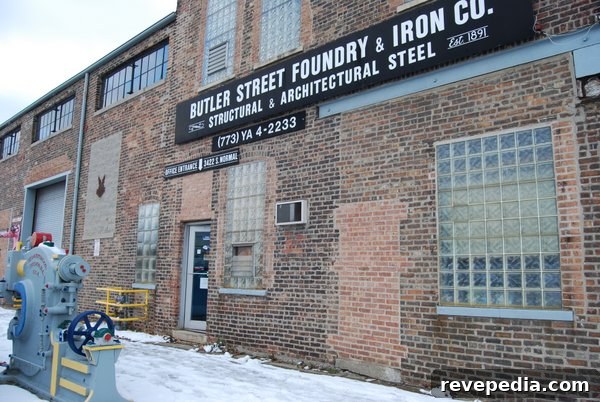
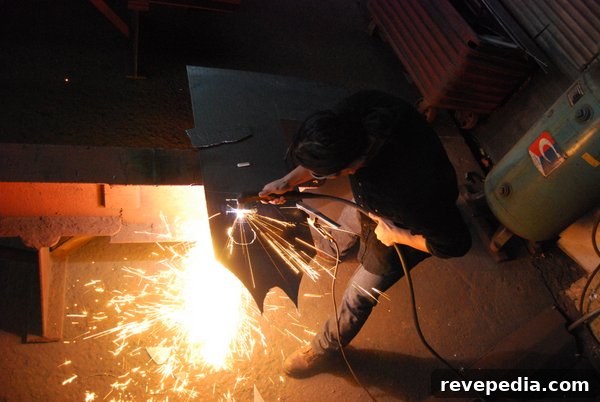
During our visit to Chicago for the Craftsman Experience, we had the privilege of meeting and working with John LaMonica, the current owner of Butler Street Foundry & Iron Co., a foundry established in Chicago in 1891.
According to Mr. LaMonica, the foundry’s earliest work was essential in rebuilding Chicago after the Great Fire. As the 19th century drew to a close, Butler Street played a key role supplying steel and iron used in major projects such as the Union Stock Yards.
Steel and castings from this historic foundry helped construct many of the buildings that define Chicago’s skyline. The foundry took its name from General Benjamin Franklin Butler of the Union Army, who is said to have been influential in its founding.
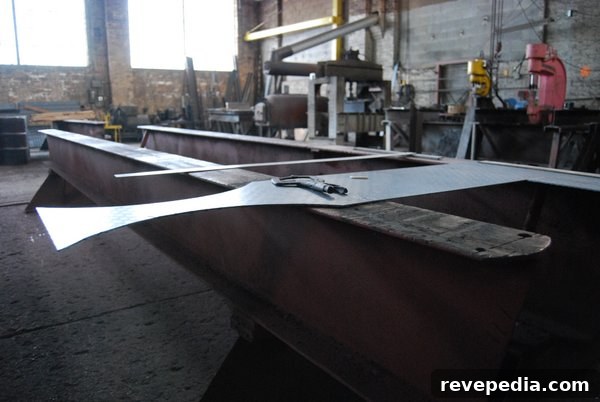
Butler Street Foundry supported the World War I effort and, during the hardships of the 1930s, contributed materials to Chicago’s “A Century of Progress” exposition. When the nation entered World War II, the foundry again provided steel and castings for the U.S. and its allies.
For more than a century the business remained family-run.
In 2005 the family transferred ownership to fellow metalsmith John LaMonica, trusting he would preserve the craftsmanship and quality that made Butler Street Foundry & Iron Co. a fabrication landmark for over 115 years.
Despite its long history, the foundry faces significant challenges. It survived the Great Depression and two world wars, yet rapid technological change, fluctuating steel prices, and recent economic downturns have made continued operation difficult.
Located a stone’s throw from Comiskey Park on Chicago’s South Side, the foundry missed opportunities during the construction of the new Comiskey Park in 1990. According to Mr. LaMonica, many local contracts were already promised to newer firms that better matched political and logistical needs, leaving smaller historic shops without work.
While the foundry might not have supplied every piece needed for the stadium, involving a local steel fabricator that represents the neighborhood’s history would have honored the community’s legacy.
One of the most compelling aspects of the building is the imprint of the men who worked there and the varied backgrounds they represented. Chicago has a long immigrant tradition, and over the decades those communities found employment at the foundry as they settled into the city.
At peak times the foundry employed 250–300 men, many of whom left their names carved into furniture or written on the walls — small, human traces of a once-bustling workplace.
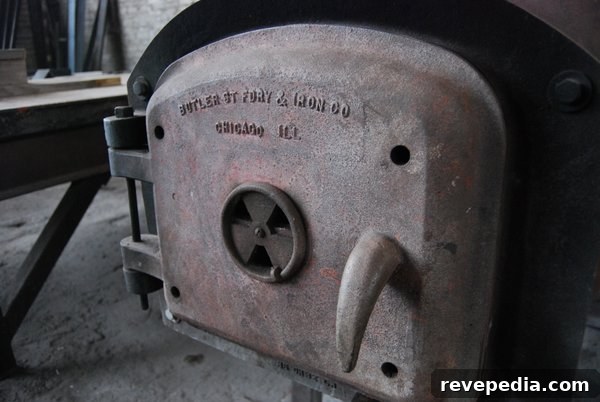
When automobiles and trucks replaced horse-drawn transport, the foundry expanded into the old livery stables that once housed horses used to move steel around the city. Horseshoes remain tucked into nooks throughout the building and have even been repurposed as decorative elements on a furnace.
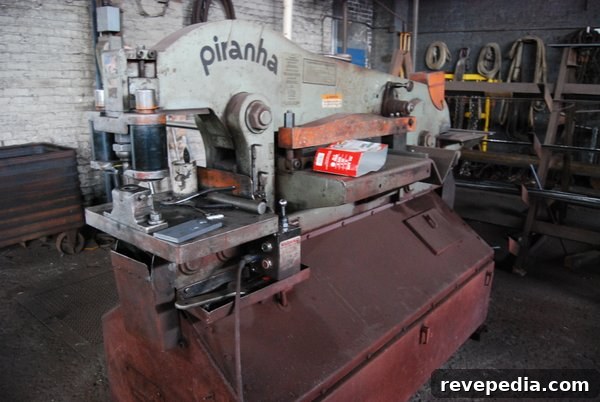
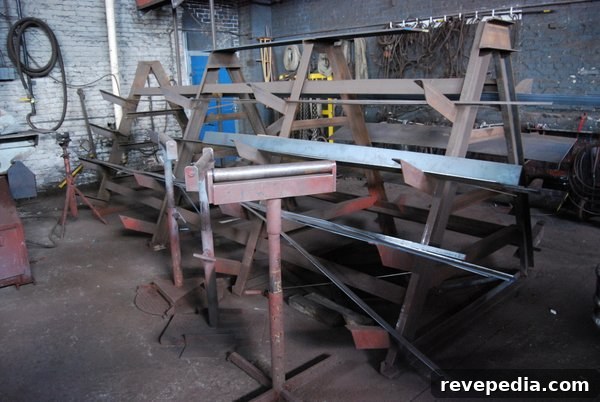
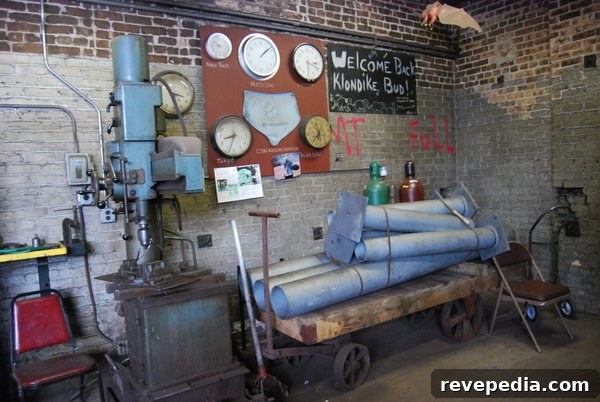
Another challenge for a handcrafted shop that relies on larger contracts is its aging equipment. Much of the machinery dates 30–50 years or more and operates without modern electrical circuitry, instead depending on hydraulics and compressed air.
While these tools are conceptually straightforward, they require a practiced hand and an experienced touch that only comes with years of use.
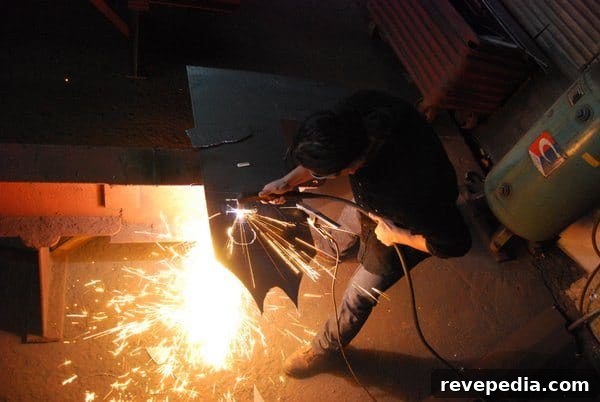
Finding skilled workers who can operate and maintain these older machines has become increasingly difficult. Modern metalworking has shifted toward CNC machines and software-driven processes. Today’s fabricators often function more like engineers or programmers: designs are entered into a computer, steel is cut by automated equipment, and human touch is limited to loading and unloading material.
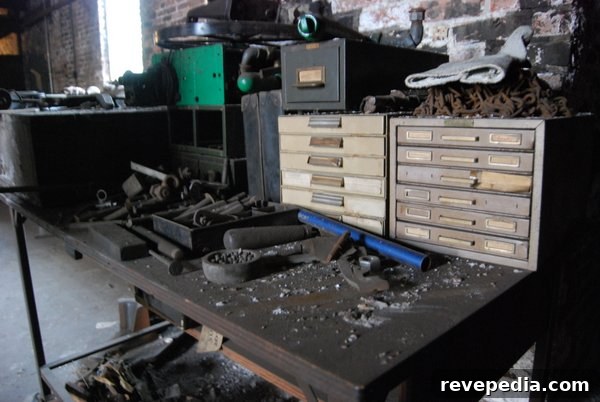
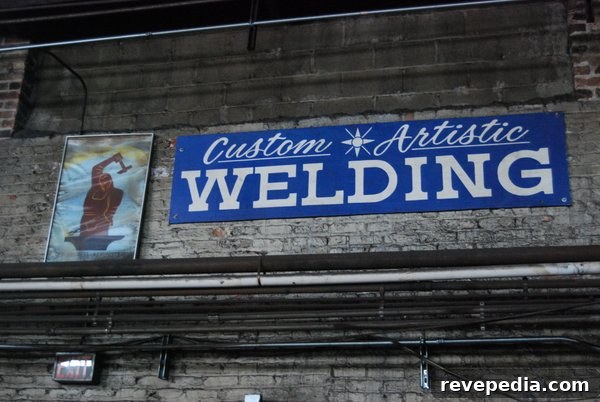
It’s remarkable that Butler Street Foundry has persisted as long as it has. Thankfully, there are still customers who value handcrafted, artisanal metalwork — pieces shaped by skilled hands and experience rather than by machines alone.
Rather than mourn the decline of another corner of American industry, we prefer to celebrate its legacy through photographs. The foundry remains operational, and those seeking custom fabrication or metal restoration who wish to support an independent American business can contact them directly at 773-924-2233.
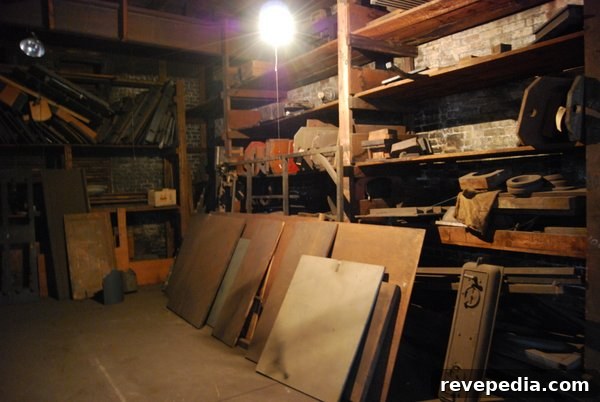
Some spaces feel frozen in time: the woodworking room has not been in use since 1947, yet the tools remain as they were left, a quiet testament to the workers who once filled the space.
A 48-star United States flag still hangs near the front doors, which were replaced long ago but still display a Chicago tax stamp dating to 1930.
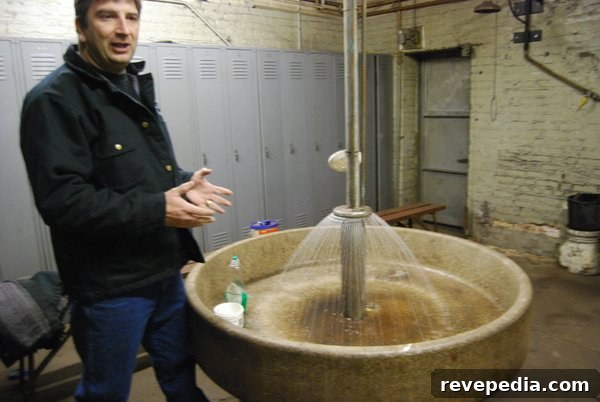
Mr. LaMonica emphasizes the importance of community and mutual support among craftsmen and metalworkers. Small details around the shop reflect that spirit: a circular sink encourages workers to gather and converse while they clean up.
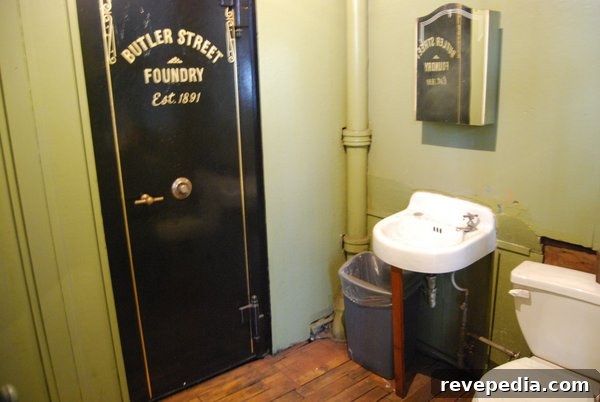
Practicality and oversight are threaded through the foundry’s design. For example, the original owners placed a safe near the restroom and installed a small window nearby — a reminder that running a business required both vigilance and practicality.