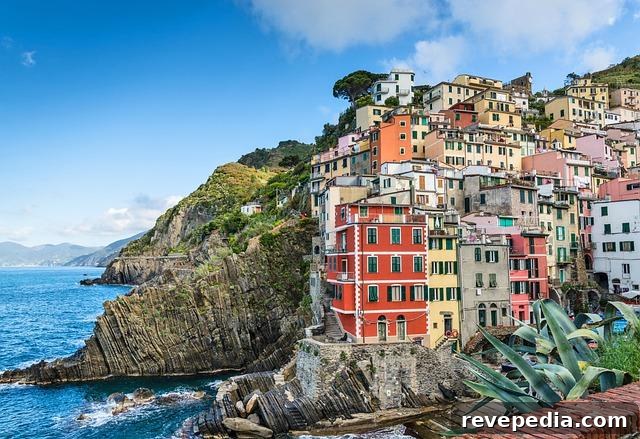
Many people feel calmer and more refreshed when they are near water. They plan beach vacations or cruises to capture that soothing sensation for a few days, but an increasing number of buyers in 2026 are choosing to make that feeling part of their everyday life.
At the same time, homebuyers have become more informed about coastal risks like storms, flooding, and insurance costs. The most sought-after properties are those with robust infrastructure that directly addresses these concerns while delivering the everyday benefits of living by the water.
What Does “Blue Mind” Mean?
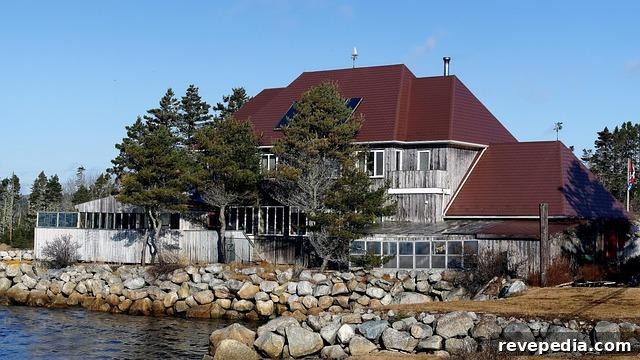
“Blue Mind” describes the calmer, clearer state of mind many people experience when they spend time near water. The term was popularized by Wallace J. Nichols, who drew on scientific observations about how oceans, rivers, and shorelines affect the brain and body.
Even brief exposure to water — listening to waves, watching the horizon, or walking along the shore — can reduce anxiety, lift mood, and enhance creativity. For many, that emotional and mental boost is a strong reason to seek a home by the water.
Why People Prefer Coastal Living in 2026
Demand for coastal homes has continued to grow this year for several reasons. Remote work allows people to choose locations that improve their well-being, not just those near job centers. Wellness-focused buyers prize the better sleep and stress relief that come with being near water. Retirees are drawn to active, outdoor lifestyles without the intensity of urban living. Families appreciate the extra outdoor space and opportunities for shared activities away from screens.
These preferences have driven interest in coastal regions worldwide, from domestic shorelines to international retirement destinations. Even during economic shifts, properties that provide a reliable connection to water tend to attract serious, long-term buyers.
What Makes Coastal Infrastructure the Smartest Real Estate Play Today
For many buyers, moving to the coast simply extends the restorative feeling they used to seek on vacations into daily life. Historically, however, concerns about storm damage, flooding, and rising insurance premiums kept some buyers away. Today, improved infrastructure is changing that calculus.
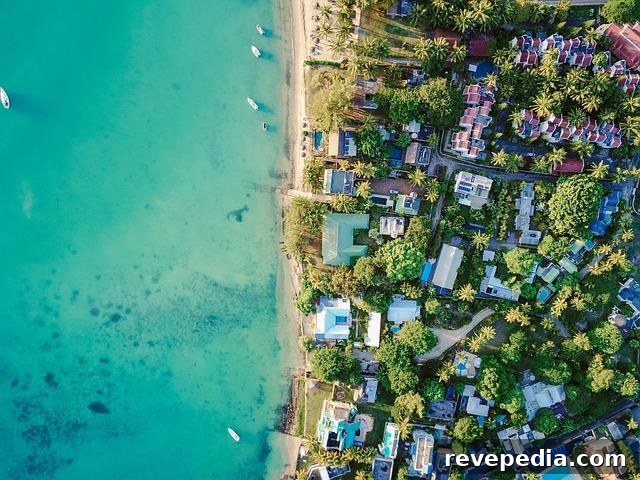
Municipalities, builders, and communities have invested in practical solutions to reduce coastal vulnerability. Many newer homes are elevated on pilings so storm surge waters pass underneath rather than flooding living spaces. Advanced roofing, windows, and building materials now withstand higher wind ratings. In addition, shoreline reinforcements and upgraded drainage systems help entire neighborhoods withstand extreme weather far better than a decade ago.
These measures matter because properties in well-prepared areas tend to retain value and are easier to sell or rent. Limited coastal land, paired with steady or growing demand and tangible infrastructure improvements, creates upward pressure on prices in resilient communities.
That said, coastal living is not without risk. Weather remains a factor, and no location is entirely immune. But buyers who choose communities with intentional, modern infrastructure can enjoy the benefits of waterfront life with less anxiety about damage, ongoing repairs, or sharp declines in property value.
Coastal Infrastructure Makes Sense in 2026
Robust coastal infrastructure doesn’t eliminate every risk, but it addresses the core issues that once kept cautious buyers away. When combined with the psychological and physical benefits of being near water, these properties deliver both lifestyle advantages and greater financial resilience.
For many 2026 buyers, a well-built coastal home offers a compelling twofold appeal: daily well-being from living close to water, and the long-term security that thoughtful infrastructure provides. That combination explains why coastal real estate with strong protective measures is attracting growing interest among discerning homebuyers today.