
Whether you own a home in the US or the UK, a well-built fence does more than mark property lines. It adds privacy, improves security, protects outdoor spaces from wind and weather, and boosts kerb appeal. In the UK, where gardens are often smaller and weather conditions change frequently, choosing the right materials and design is especially important for durability and appearance.
High-quality wooden fencing can last around 20 years and metal options can last considerably longer, but many homeowners delay routine maintenance until issues like rot, rust, warping, discolouration or missing panels become obvious. Temporary fixes can postpone deterioration, but when a permanent replacement is needed, shopping for new garden fences has never been simpler thanks to a wide range of ready-made panels, bespoke options and delivery services.
Why Upgrade Your Garden Fence?
Replacing or upgrading a garden fence in the UK improves security, increases privacy in close-knit neighbourhoods, clearly defines property boundaries, and can add value to your home. Under UK permitted development rules, most rear fences may be up to two metres high without requiring local planning permission. Key benefits of upgrading include:
- Enhanced security: A solid, well-built barrier deters unauthorised access and helps keep pets and young children safe within the garden.
- Improved privacy: Standard two-metre panels effectively screen neighbours and passers-by, which is especially useful in terraced and high-density urban areas.
- Noise reduction: Dense timber and composite panels help dampen traffic and street noise.
- Better aesthetics and value: A fresh fence—newly installed or well-maintained—uplifts the overall look of a property and can serve as a design feature in the garden.
Choosing Replacement Garden Fence Styles That Suit Your Home
The right fence not only secures a property but shapes the character of the garden. It can create private seating areas, screen out noise, and mark clear walkways. Popular and reliable fencing options in the UK include the following styles, each with practical advantages:
Closeboard (Feather Edge) Fencing
Closeboard, or feather edge fencing, is made from tightly packed, overlapping tapered boards. The overlap sheds water effectively, resists strong winds and provides excellent privacy. Because these fences are built board-by-board rather than from pre-assembled panels, they adapt well to sloping ground and allow easy replacement of individual boards when damaged. Design variations include straight-top, arched or double-sided arrangements.
Picket Fences
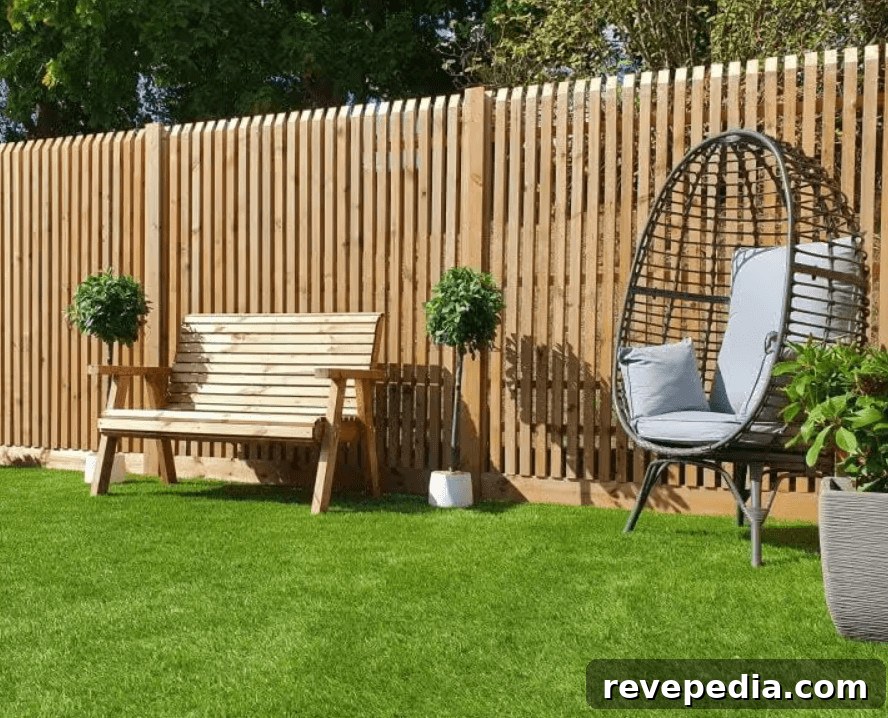
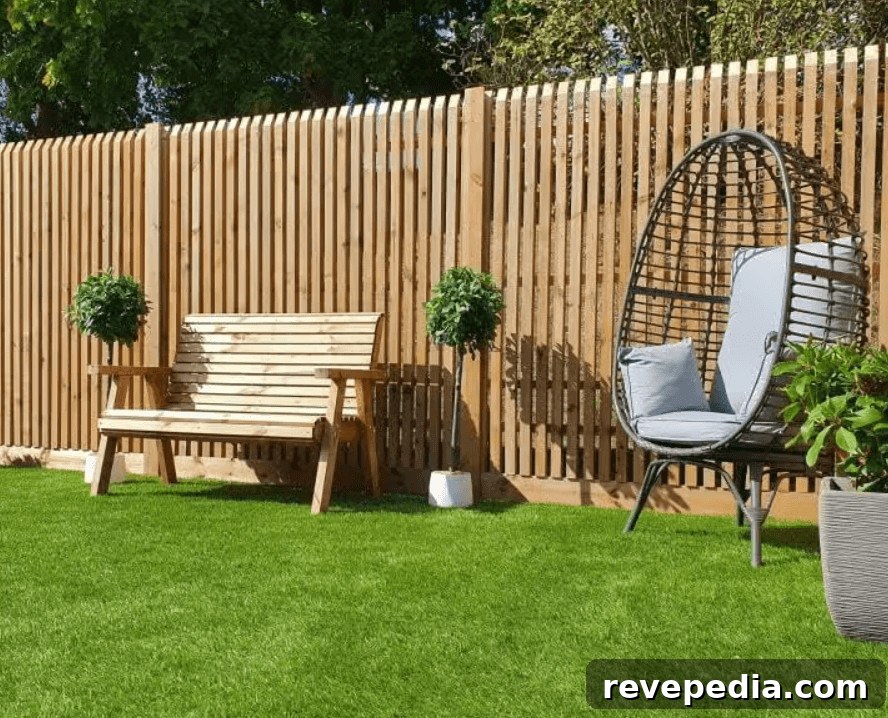
Picket fences are low, decorative barriers of evenly spaced vertical boards attached to horizontal rails. Typically 3 to 4 feet high, they define property edges, help contain small pets and children, and maintain an open feel with good airflow and sightlines. Materials range from timber to vinyl or metal, and pickets can have pointed, flat or rounded tops with optional arched profiles or lattice detailing.
Lap Panel (Waney Edge)
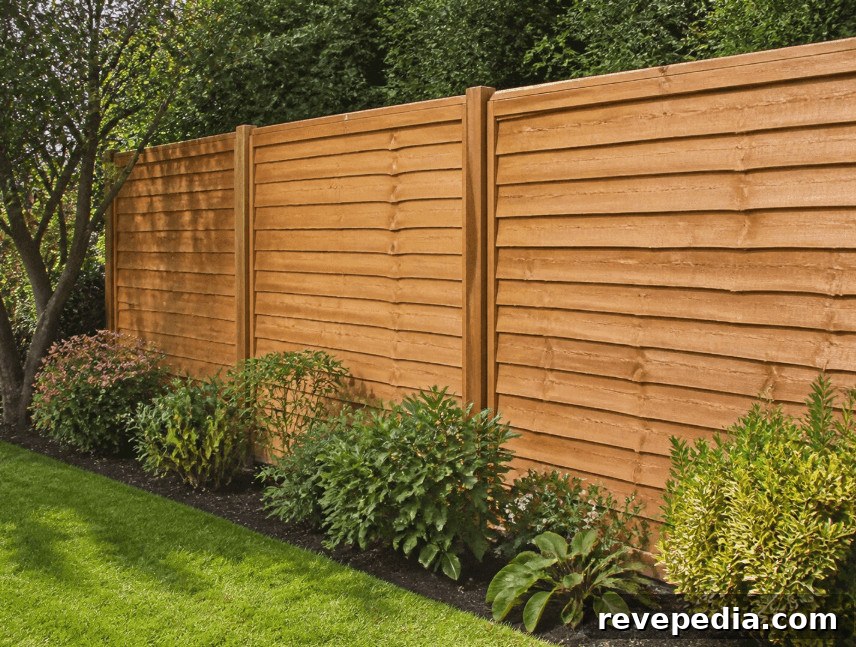
Waney edge or lap panel fences use horizontal, roughly sawn boards with natural curved edges. Standard panels are around 6 feet wide with heights from 2 to 6 feet, making them suitable for stepped runs on uneven ground. Built from pressure-treated timber with an overlapping structure, lap panels are an affordable, neat and straightforward option to install.
Tongue and Groove
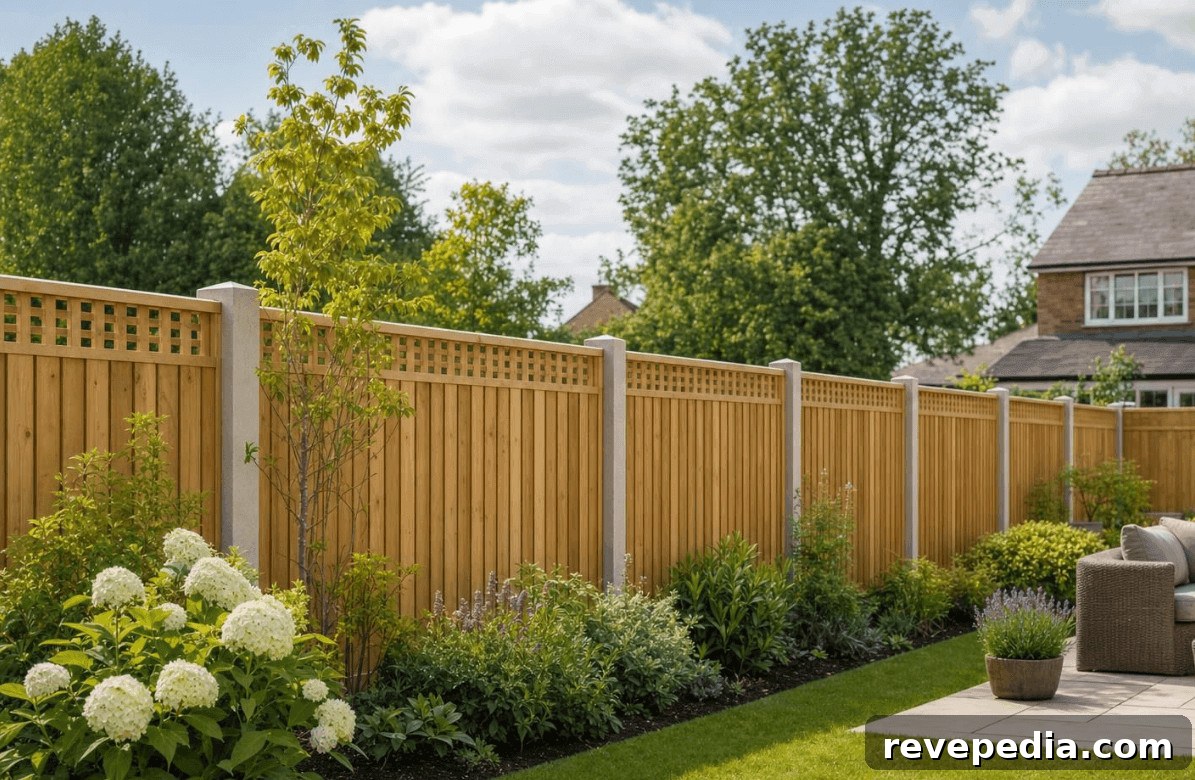
Tongue and groove fencing uses interlocking boards that fit flush together for a gap-free, solid face. This construction maximises privacy, resists wind, and reduces the risk of long-term warping or rot. With a polished appearance on both sides, tongue and groove panels are a premium choice that complements patios, decking and modern garden layouts.
Other common options include hit-and-miss fences, which alternate horizontal boards on each side to balance screening with airflow, and composite fencing made from recycled wood and plastic that offers improved rot resistance and low maintenance. Decorative panels—such as European straight-top designs, combinations of horizontal and vertical slats, or integrated top lattices—allow homeowners to personalise the look while retaining performance.
Posts, Fixings and Fence Details
The long-term strength of a fence depends on a robust framework: correct post spacing, appropriate ground preparation and the right choice of materials are essential for stability. Timber posts provide a natural appearance and pair well with wooden panels, but they are vulnerable to ground-level rot unless properly treated and protected.
Concrete posts offer excellent weather resistance and longevity, though they are heavy and harder to handle. Metal posts made from galvanised or powder-coated steel or aluminium combine strength with a slim profile and easier installation, striking a balance between durability and practicality.
Choosing corrosion-resistant fixings is just as important as choosing strong posts. Galvanised or stainless steel screws, nails and brackets resist rust and provide the strength needed to hold panels in place during high winds. Adding features such as post caps, rails and kickboards helps shed water, block ground moisture and reduce timber discolouration, sagging and rot.
Heights, Boundaries and Budgets
In the UK, rear garden fences may usually be up to two metres high without planning permission, while front boundaries that face roads, pavements or footpaths are commonly limited to one metre, including posts and trellis. Before installing a new fence where none exists, confirm property boundaries by checking title deeds and discussing plans with neighbours so installation stays within legal limits.
To estimate materials, measure the total length of the boundary and divide by panel width—standard panels are typically 6 feet (1.8m) wide. A straight run requires one more post than panels; account separately for gates and note any slopes, as stepped panels or closeboard construction suit uneven terrain better.
Budget carefully: material costs vary by fence type, timber grade, wood treatments, post materials and extras such as gates or decorative tops. Don’t forget labour for professional installation and fees for removing and disposing of old fencing. Obtain multiple written quotes to compare what is included—materials, installation and waste removal—so you can judge overall value.
Whether repairing a single section or replacing an entire boundary, taking time to compare styles, posts and total costs will help you select a garden fence that performs well and lasts for years.