
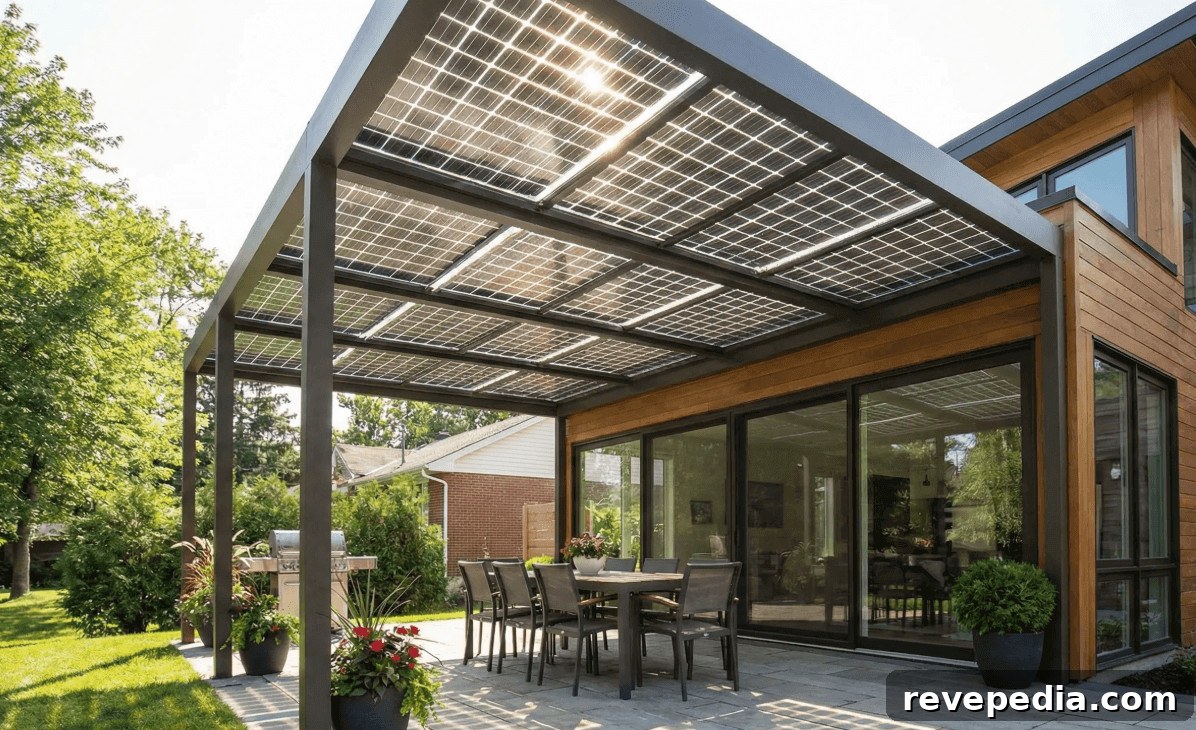
Solar technology has advanced dramatically since French physicist Edmond Becquerel discovered the photovoltaic effect in 1839. Today, innovative bifacial solar panels help homeowners and businesses extract more electricity from sunlight by collecting light on both their front and rear surfaces.
Unlike conventional monofacial panels that capture sunlight only on one side, bifacial panels generate power from direct sunlight hitting the front and from light reflected onto the rear. Under favourable conditions, this can boost energy output by roughly 5% to 20%, and sometimes more. However, those gains depend on installation details and site conditions rather than occurring automatically.
Before investing, it’s important to understand how bifacial panels work, what affects their additional energy yield, and which design choices will maximise value for your property.
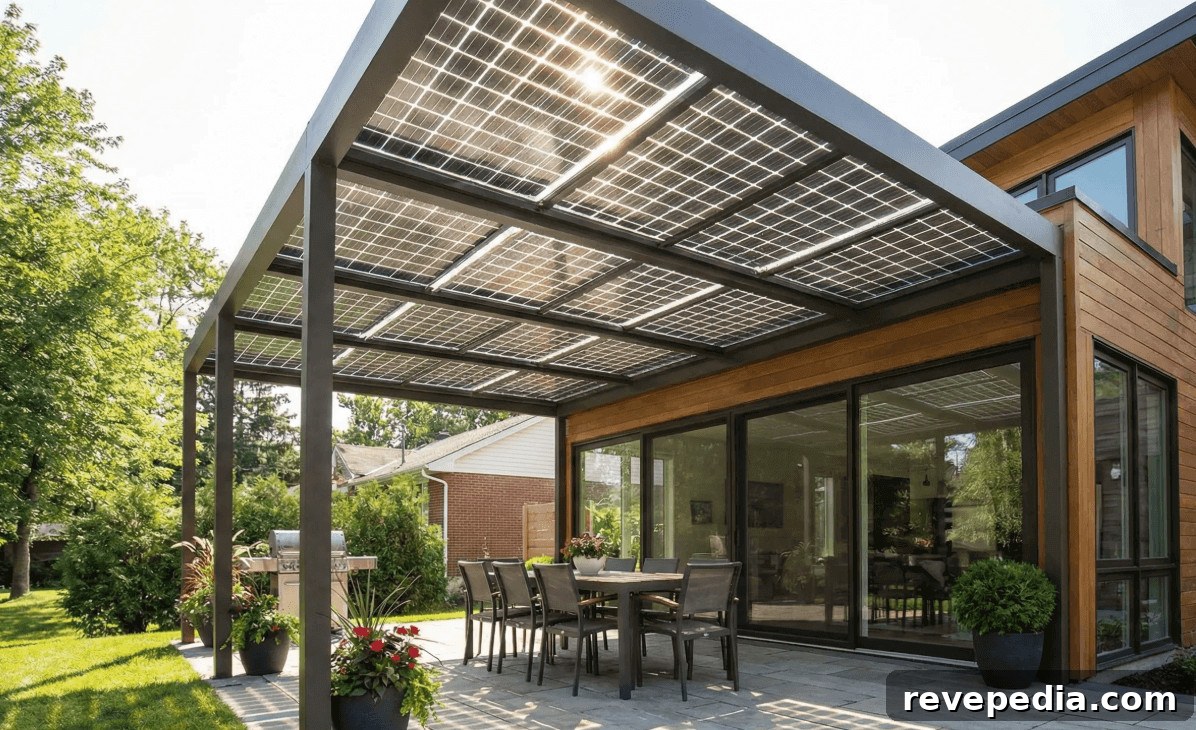
Are Bifacial Solar Panels Better Than Monofacial Panels?
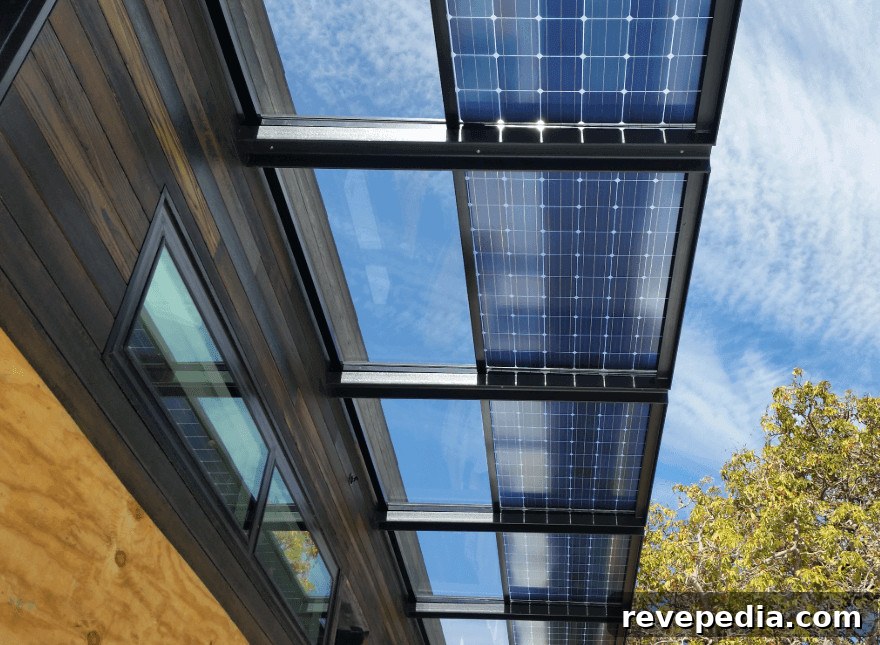
Bifacial panels often outperform monofacial models in energy production, with typical additional yields in the 5%–20% range and higher results possible where reflectivity and mounting are optimised. While they can require a higher initial outlay, their improved lifetime energy output can make them cost-effective, especially for installations designed to take advantage of rear-side generation.
The key advantage of bifacial modules is their ability to harvest reflected and scattered light in addition to direct solar irradiation. This makes the concept of albedo — the proportion of sunlight reflected by surrounding surfaces — critically important. The more reflective the ground and nearby surfaces, the greater the potential contribution from the panel’s rear side.
Construction differs too. Monofacial panels typically have an opaque backsheet that blocks light from entering the rear, while bifacial modules use transparent backsheets or dual-glass designs that let light reach the rear cells. Dual-glass construction can further improve durability and resistance to environmental wear.
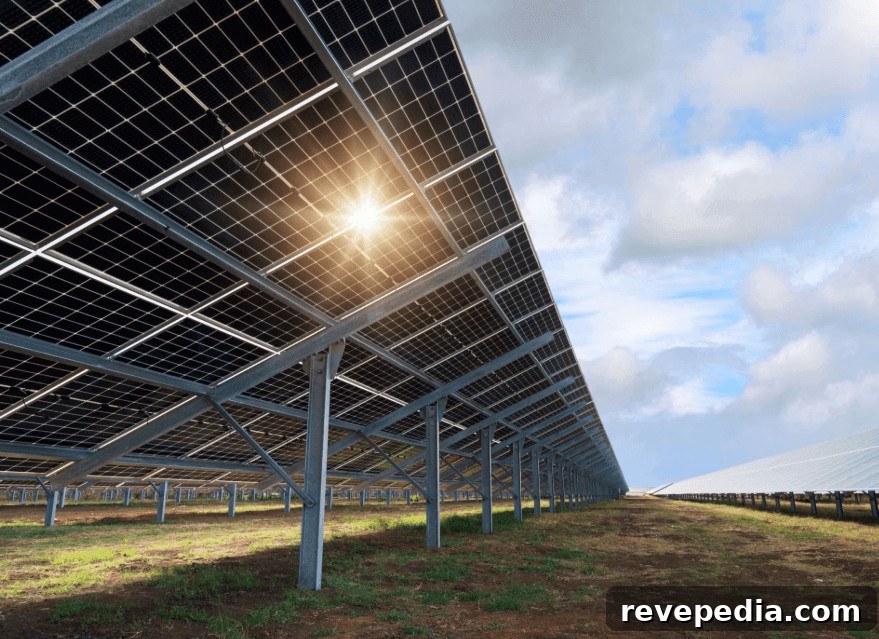
Installation demands can be higher, but bifacial panels offer flexible mounting options. Beyond traditional tilted installations, they can be mounted vertically or elevated above the ground to capture different angles of light throughout the day. Vertical or east-west configurations can be especially useful where generation during morning and evening hours is desirable, and with robust mounting they can endure strong winds and other challenging conditions.
What Affects the Additional Energy Gain?
Although bifacial panels have the potential to deliver significantly more electricity than monofacial units, achieving those gains requires suitable site conditions and careful design. Several factors shape real-world performance, including surface reflectivity, mounting height, row spacing and panel orientation.
Surface Reflectivity
The type and colour of the surface beneath and around the panels greatly influences how much light is reflected back to the rear cells. Dark materials such as asphalt or dark soil absorb more sunlight and reflect less, reducing rear-side gains. Lighter surfaces — pale gravel, concrete, white membranes or deliberately reflective ground covers — reflect more light and improve bifacial performance.
Shading is another critical factor. Trees, buildings, and other obstructions can reduce both front- and rear-side illumination. Because of this, elevated ground-mounted arrays and solar carports tend to suit bifacial technology better than flush-mounted rooftop setups: they allow more reflected light to reach the rear surface.
Panel Height
Mounting height affects how much reflected and scattered light reaches the panel underside. Panels mounted very close to the ground have limited rear-side exposure, while raising them creates space for more light to reach the rear cells.
Typical clearances vary by installation: some ground-mounted arrays use 1–2 metres of clearance, whereas certain elevated flat-roof systems might use 1.8–3 metres or more. The ideal height depends on panel size, mounting design, surrounding surface reflectivity, structural limits and budget. Raising panels can improve rear-side yield but also increases installation complexity and cost.
Panel Spacing
When installing multiple rows, spacing is crucial. Rows placed too close together cast shadows onto adjacent rear surfaces and limit reflected light. Where land allows, wider inter-row spacing can improve rear-side illumination and overall system yield. Typical guidance ranges widely: compact designs may use around 2.5 metres between rows, while larger ground-mounted installations may benefit from spacing up to 6 metres depending on tilt and site geometry.
Optimal spacing depends on panel tilt, mounting height, latitude and available land. Greater spacing improves light capture but reduces the number of panels that fit in a given area, so finding the right balance is essential.
Panel Direction and Tilt
Panel orientation influences both direct irradiance and rear-side gain. In temperate regions such as the UK, south-facing panels tilted around 30°–40° are a sensible starting point for maximising annual generation. However, vertical or east-west-facing bifacial arrangements can be attractive where morning and evening output is valuable, or where roof geometry and shading patterns favour those orientations.
Any orientation decision should account for height, spacing and surrounding reflectivity, and be tailored to the property’s location, energy demand profile and available space.
What to Consider When Buying Bifacial Solar Panels
There is an expanding market of bifacial panels in different sizes, cell types and constructions. Selecting the right module requires looking beyond the advertised wattage to assess cell technology, bifacial performance, mechanical properties and total installed cost.
Cell Technology
The choice of cell technology affects efficiency, rear-side responsiveness and cost. PERC (Passivated Emitter and Rear Contact) cells are common and cost-effective, while newer technologies such as N-type TOPCon (Tunnel Oxide Passivated Contact) and HJT (Heterojunction) typically offer higher efficiency and better bifaciality. A higher bifaciality factor means the rear side generates a larger share of the panel’s total output under similar illumination conditions. Although advanced cell types can be pricier up front, they may increase lifetime energy yield where maximising production is the priority.
Technical Specifications
When comparing models, evaluate specifications that affect real-world results:
- Bifaciality factor: The rear-side output as a percentage of front-side output under comparable conditions. Higher values indicate greater potential benefit from reflected light.
- Testing conditions: Determine whether performance figures refer only to front-side power or include estimated rear-side gains under defined albedo conditions.
- Rated wattage: Consider both the front-side rating and the realistic additional output expected from rear-side illumination.
- Temperature coefficient: Lower temperature-related power loss is preferable because panels often operate at elevated temperatures.
Weight and structural compatibility matter as well. Dual-glass panels are typically heavier than framed, backsheet designs and may require stronger racking or reinforcement. Check mounting compatibility and ensure warranties, certifications and performance guarantees meet your requirements.
Total Investment and Installation Costs
Purchase price is only part of the investment. Bifacial systems often perform best when elevated and spaced to allow substantial rear-side illumination, which can add to racking, structural and installation costs. Dual-glass panels and robust mounting solutions increase weight and may need stronger supports. Additional expenses can arise from preparing reflective ground surfaces, engineering optimal row spacing and calculating clearances for rear-side light exposure.
Professional system design and certified installation are particularly important for complex setups such as elevated ground arrays, commercial rooftops and solar carports. These extra costs must be weighed against the expected additional electricity generation over the system’s lifetime.
Ultimately, the value of bifacial panels depends on selecting the right technology, installing it under suitable conditions and balancing greater energy yield against total project cost.
Are Bifacial Solar Panels Worth It?
Bifacial panels offer higher potential output, flexible mounting options (including vertical and elevated configurations), and the added robustness of dual-glass construction. Their main drawbacks are higher upfront and installation costs, increased module weight in some designs, and often smaller gains for flush-mounted rooftop installations.
They can be a strong investment where both faces receive meaningful sunlight — for example, elevated ground-mounted arrays, solar carports and sites with reflective surfaces and minimal shading. For homeowners with limited roof area or low mounting clearances, the extra energy yield may be modest and could be offset by higher installation expenses.
Before committing, compare expected energy yields, installation complexity and total costs against conventional alternatives. A professional solar designer or installer can assess your property and provide a realistic estimate of the likely performance and return on investment from bifacial technology.