
Image by vladislav_chusov on Magnific
Discovering a roof leak in October feels different than spotting one in June. Shorter days, dropping temperatures, frost and snow increase the risk that a small drip will become soaked insulation, a stained ceiling or worse once winter storms arrive. The central dilemma is straightforward to state and harder to resolve: should you make a quick repair to get through the season, or replace the entire roof now?
There isn’t a one-size-fits-all answer, but there is a practical way to think about it. Below is a clear process to help you decide between roof repair and replacement before the weather makes the decision for you.
Identify the actual source of the leak
Before choosing repair or replacement, find where the water is entering. The visible stain inside your home is not always the entry point; water can run along rafters and show up feet away from where it began.
Common causes of leaks include:
- Shingles that are missing, cracked or blown off by wind
- Worn or damaged flashing around chimneys, walls and skylights
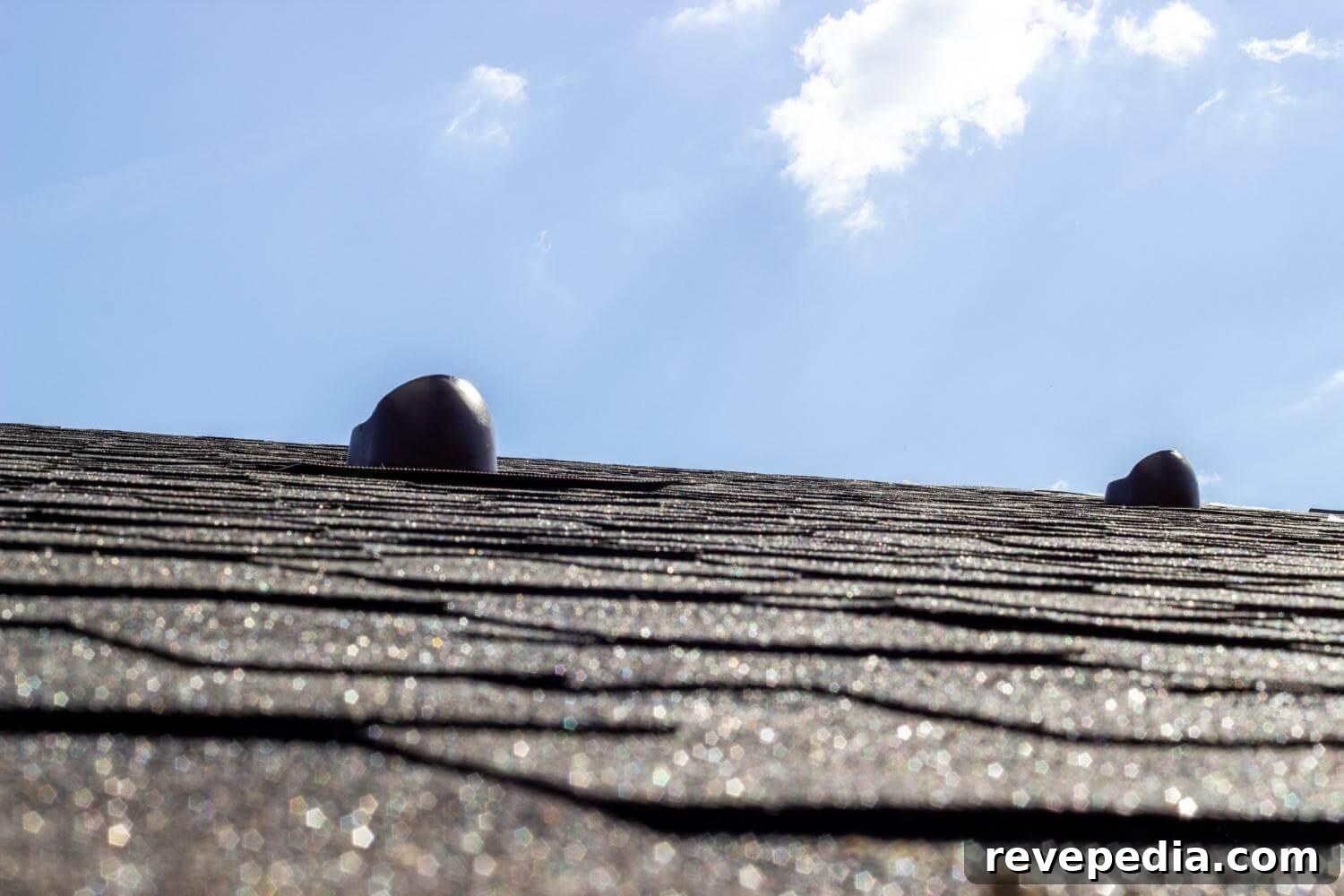
- Cracked or deteriorated boot seals around plumbing vents
- Clogged gutters that force water under the roof edge
- Ice dams that allow meltwater to back up under shingles in cold climates
Have a professional inspection to confirm the leak’s source, determine the extent of damage and assess the remaining life of the roof. A single failed vent boot on an otherwise healthy roof is a very different situation from multiple leaks on a roof that’s worn across its surface.
When repairing the roof usually makes sense
Repair is often the sensible choice when the problem is limited and the rest of the roof still has substantial life. Repair tends to be appropriate when the damage is confined to a small area — a handful of shingles or an isolated flashing joint, for example.
Roof age is an important factor. If the shingles are relatively new for their material type, lie flat, and still have good granule coverage, a targeted repair can restore watertight performance and give you many more years. A solid roof deck underneath, without soft spots or rot, also favors repair. Likewise, if this is the first leak you’ve experienced in several years rather than a recurring problem, patching the damage makes practical and financial sense.
Repairs are typically faster to schedule, which is crucial when cold weather or storms are approaching. A skilled roofer can often complete a repair quickly and reduce the immediate risk of interior damage.
When replacement is the better long-term choice
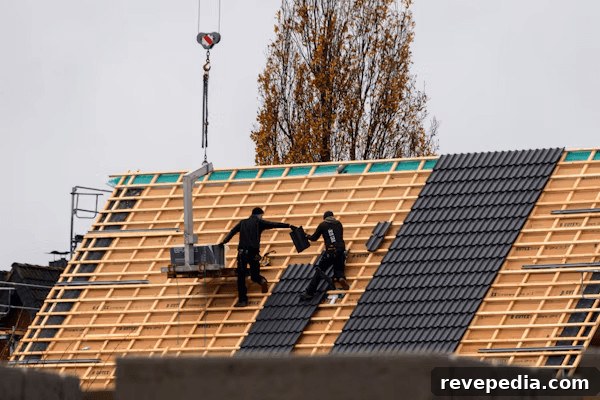
Sometimes repairs only postpone the inevitable. Replacement becomes the better investment when the roof is near or past the end of its expected life, or when deterioration is widespread. Different materials age differently — asphalt shingles, metal and tile each have their own typical life spans — so ask your contractor what to expect for your roof type.
Signals that replacement may be warranted include leaks in multiple locations, continued leaks after recent repairs, extensive shingle curling or cracking, and large areas losing granules. Soft, sagging or rotted decking indicates water has been penetrating the roof for some time. If you plan to remain in the home for several years, a full roof replacement can eliminate recurring repairs and provide long-term peace of mind.
Consider costs beyond the headline price
Don’t compare repair versus replacement on sticker price alone. Evaluate the broader financial picture: roof age, the percentage of the roof affected, the recent repair history, and whether you intend to sell the house soon or live there long-term.
A roof that is well within its expected lifespan generally favors repair. But if significant sections are worn or you’ve needed multiple repairs in recent years, replacement is likely the more economical choice over time. Also factor in the cost of failing to act: a slow winter leak can lead to wet insulation, mold growth and drywall repairs that substantially raise the final bill.
Check the roof deck condition carefully. A sound deck supports a repair, while rotted or soft decking usually necessitates replacement.
Insurance considerations and scheduling
If the damage followed a storm, review your homeowner’s insurance policy before work begins. Insurers typically distinguish between sudden storm damage and long-term wear; that distinction affects whether they will cover repairs, a full replacement, or nothing at all. Document the damage with photos, keep records, and contact your insurance company promptly. Your policy language governs coverage, so read it or speak with your agent to clarify.
Timing is also important. Roofing contractors fill fast in the fall, and some materials or sealants lose effectiveness in very cold or wet conditions. If replacement is the right decision, try to schedule the work as soon as possible when weather allows.
Temporary fixes if you can’t finish before winter
When replacement can’t be completed before winter, a two-step approach often works best: arrange a reliable temporary repair now — such as resealing flashing or replacing a damaged roof section — to keep water out during the cold months, and plan a complete replacement in spring when conditions are better and you can compare quotes.
Temporary measures must be done properly and reconsidered after strong storms. Emergency tarps can protect against immediate damage but are not a substitute for a durable winter solution.
Get at least two independent opinions if you’re told a full replacement is necessary, and ask contractors to document their findings with photos. A reputable roofer will explain the reasons behind a repair or replacement recommendation rather than just giving a price.
In the end, the right choice depends on roof age, the scope of the damage, your budget and how long you plan to remain in the home. Make the decision based on accurate information and take action before the first hard freeze arrives.