
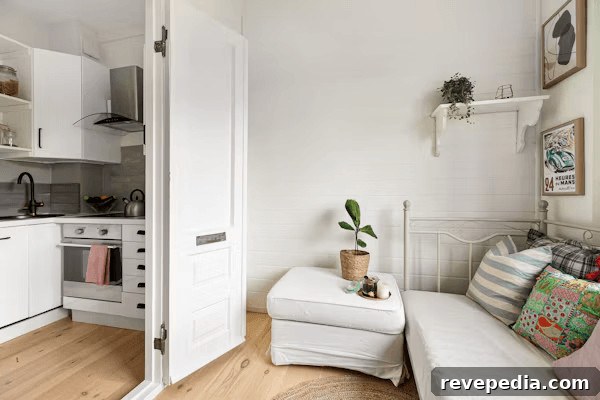
Furnishing a small apartment can feel deceptively simple: there’s often space for the basics, but once you add a workspace, storage, or a comfortable spot to relax, the layout can quickly feel cramped. The challenge grows when you’re on a tight budget—common for students and recent graduates furnishing their first home. Thoughtful planning, measured purchases, and multifunctional choices will help you create a functional, comfortable apartment without overspending.
Instead of buying the cheapest items you can find, focus on value: pick pieces that suit your space and solve real needs. A well-chosen mattress, a sturdy desk, or the right storage solution can improve daily life far more than a collection of inexpensive items that don’t fit or aren’t used. Prioritize what the apartment needs to do, allocate funds to the items that support those functions, and delay nonessential purchases until you know what truly matters.
Start With the Space, Not the Shopping List
Before you shop or pin decorating ideas, study the apartment itself. A studio that must serve as bedroom, study, dining room, and living room needs a very different layout from a one-bedroom with a separate living area. Measure rooms, doorways, and the exact spots where furniture will sit—this prevents surprises like a sofa that blocks cabinet doors or a desk that overwhelms a narrow bedroom once a chair is added.
Sketch a basic floor plan to visualize relationships between pieces. Even a simple drawing with measurements helps identify where a smaller table, a different desk, or an alternative arrangement would work better. If you want a more detailed layout, use a room-planning tool to test furniture placement in two or three dimensions, but simple sketches are often enough to avoid costly mistakes.
Think about daily routines as you divide the room. Someone who studies at home most evenings needs a dedicated work surface and good lighting; someone who mainly sleeps and relaxes might prioritize comfortable seating and easy access to storage. The goal isn’t to fit every possible piece of furniture, but to clear space for the activities that matter most.
Decide Where to Spend and Where to Save
Once you understand the layout, decide which purchases deserve priority. A limited budget isn’t a license to buy the cheapest option for everything—it’s a prompt to spend on the items that affect everyday comfort. For example, a quality mattress delivers better sleep and health benefits than an inexpensive decorative item that will be rarely used.
Secondhand furniture can stretch your budget, especially for items that don’t need to match perfectly. Local resale shops, community marketplaces, and estate sales often have useful desks, bookshelves, and tables at lower prices. Always check dimensions, condition, and stability, and factor in transportation costs—what looks like a bargain may become expensive once delivery is arranged.
There’s value in delaying some purchases. Living in the space for a few weeks will reveal whether you actually need that extra cabinet or side table. Empty space isn’t always a problem; sometimes it’s an opportunity for future, better-informed choices. Prioritize essentials, plan future purchases, and avoid hurried decisions driven by a move-in checklist.
Make Limited Square Footage Work Harder
Buying fewer things helps, but smart arrangement and multifunctional solutions make the biggest difference. How you place furniture, organize storage, and allow areas to serve multiple purposes determines how comfortably a small apartment functions.
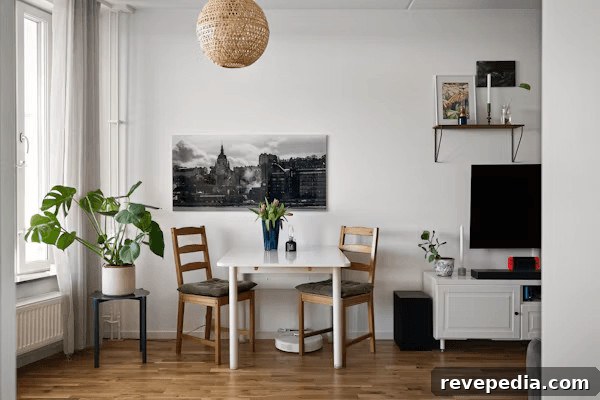
Use Vertical Space to Free Up the Floor
When floor area is tight, use walls for storage. Shelves, hooks, and wall-mounted organizers keep books and everyday items accessible without consuming precious floor space. Match storage to need: frequently used items should be reachable, while less-used things can sit higher up. Installations must respect wall type, item weight, and rental rules—overloaded shelves or improperly mounted fixtures create safety problems.
Vertical solutions work best when they solve an existing problem—a shelf that clears a cluttered desk is valuable, but adding shelves just because a wall is empty can create unnecessary storage and visual clutter.
Choose Furniture That Serves More Than One Purpose
Multifunctional furniture is essential in small apartments. Storage ottomans offer seating and hidden storage; nesting tables expand when needed and tuck away when not; a compact desk can double as a dining surface. The trick is to choose pieces that truly work in practice—if switching modes is inconvenient or a piece makes circulation difficult, it won’t improve daily life.
Rather than chasing furniture with the most features, focus on the specific functions you need. One well-chosen dual-purpose piece can outperform several inexpensive items that compete for the same space.
Create Separate Zones Without Adding Walls
You can define distinct areas within one room without building walls. Furniture placement, rugs, and targeted lighting help separate sleeping, working, and dining zones. Task lighting is particularly effective: a desk lamp provides focused light for work, while a floor lamp can create a cozy reading nook without bulky furniture.
Keep circulation in mind—clear paths between the entrance, kitchen, bathroom, and main furniture pieces are often more important than another decorative element. An attractive layout that makes everyday movement awkward hasn’t solved the problem.
Plan Furnishing Decisions Alongside Other Financial Commitments
Furnishing a home is one part of managing independent living costs. Rent, utilities, groceries, transportation, and, for students, education expenses all compete in a budget. Treat furnishing and education financing as separate decisions: loans intended for qualified education costs shouldn’t be redirected to buy furniture.
Evaluate financial commitments carefully. Understand loan terms and repayment responsibilities before taking on debt for school, and keep furnishing decisions aligned with your broader financial plan. You don’t need to finish every room immediately—prioritize essentials and make decorative purchases gradually so your budget and lifestyle remain balanced.
Add Personality Through Gradual, Practical Improvements
Once the essentials are in place, decorating becomes a chance to make the apartment feel like home. Artwork, textiles, secondhand accessories, and small DIY projects add color and character without a full redesign. A few cushions, a throw, or framed prints can transform a neutral sofa or blank wall.
For renters, choose reversible changes: freestanding shelving, removable décor, and lamps personalize a space without permanent alterations. Before using adhesives, drilling, or paint, check your lease and the suitability of the surface.
Distinguish between items that improve daily life and those that merely fill empty corners. A lamp that enables evening reading has clear purpose; an extra table bought only because a space looks bare can add clutter without value. Let the home develop gradually so you can tell which finishing touches will add lasting benefit.
Build a Home That Works Before Making It Look Finished
Furnishing a small apartment isn’t about squeezing a solution into every square foot or buying a matching set. It’s about understanding your space, choosing items that support everyday life, and staging improvements in a practical order. Accurate measurements prevent costly mistakes, multifunctional furniture reduces the need for extra pieces, and thoughtful storage makes compact layouts manageable.
Above all, allow nonessential purchases to wait. A comfortable, well-designed apartment can be created gradually. When each purchase has a purpose, a limited budget becomes an opportunity to design deliberately and create a home that feels personal and functions well.