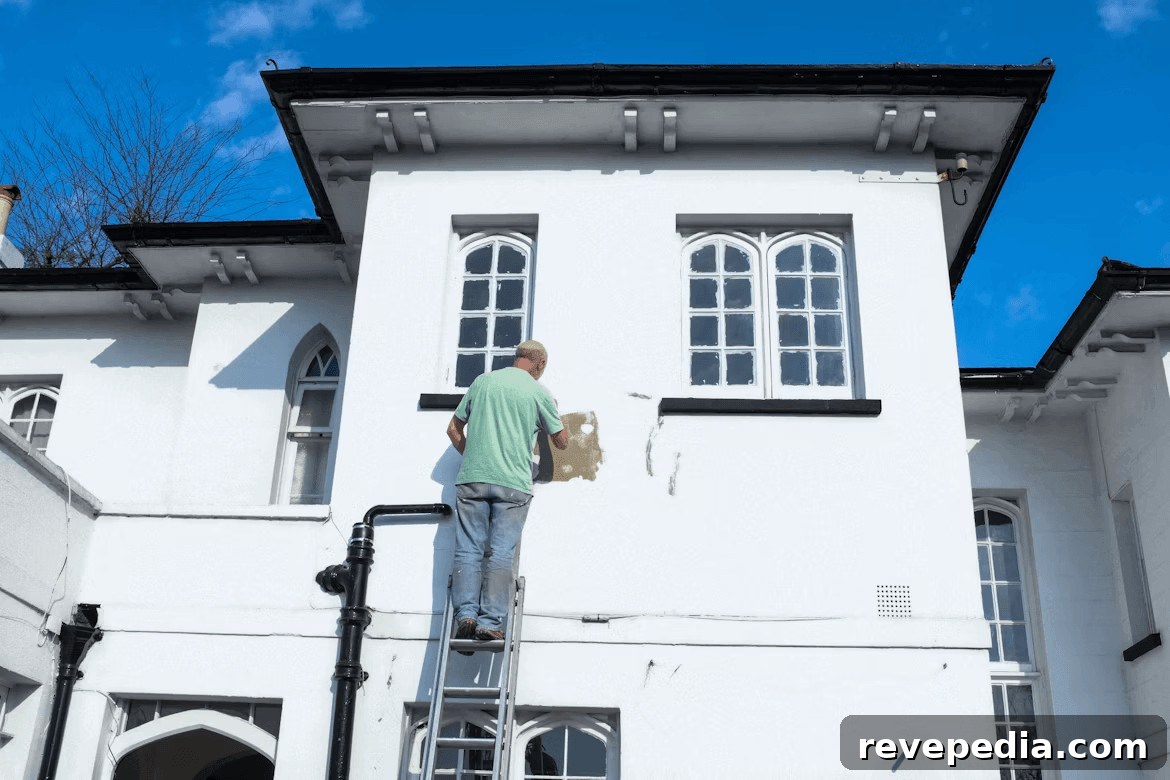
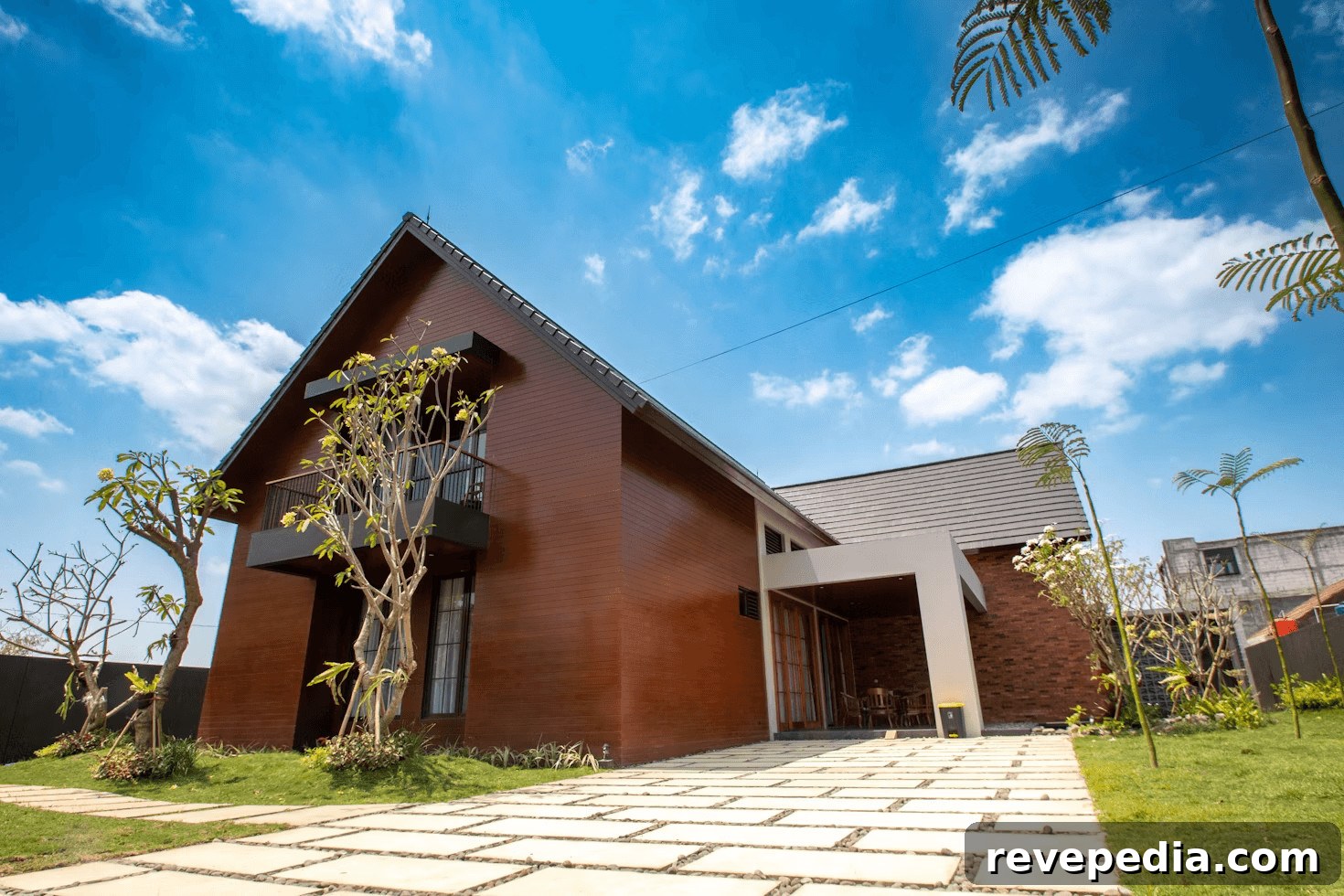
In your search for the perfect home, you’ll inevitably encounter properties that are poorly conceived, both aesthetically and structurally. Bad home design takes many forms. Here are clear warning signs to help you avoid houses that will likely cause frustration, costly repairs, or regret down the road.

Don’t add gimmicks for the sake of design
When design elements are included purely as decoration or trend-following rather than to solve a functional need, it’s often a sign of weak planning. Minimal, well-considered choices usually outlast faddish details. Too many decorative flourishes can be a way to distract from deeper issues in layout or construction.
Watch for cutting corners
Some builders deliver attractive exteriors or showy interiors but skimp on essential components like doors, lighting, cabinetry, and hardware. Low-quality finishes and cheap fixtures save money up front but leave you with replacements and upgrades later. When evaluating a property, look beyond surface appeal and inspect the quality of materials and workmanship.
Be clear about architectural style
Every home has a style—Craftsman, Colonial, Modern, Ranch, etc.—and a well-executed house generally follows that language consistently inside and out. If a house mixes incompatible styles haphazardly or you can’t tell what style it is at all, that can signal poor design decisions. If you prefer a cohesive aesthetic, avoid homes that appear uncertain about their architectural identity.