Trolley Safety: Essential Practices for Material Handling
Moving heavy tools, building materials, and equipment is a frequent requirement in workshops, garages, warehouses, and construction sites. Whether transporting boxes of supplies, hauling renovation materials, or relocating machinery across a job site, repetitive lifting causes fatigue, muscle strain, and increases the risk of injury.
A sturdy trolley offers a practical solution to these problems. By allowing loads to roll on wheels rather than being carried, a trolley reduces the need for repeated lifting, conserves energy, speeds up tasks, and helps maintain a safer work environment.
Not every trolley is appropriate for every task. Load capacity, wheel type, size, and construction materials all determine how well a trolley performs in specific conditions. Knowing what to look for helps you choose equipment that lasts longer, improves workplace safety, and boosts day-to-day efficiency.
How to Reduce Risk in Manual Handling?
Manual handling is central to many industries, including warehousing, logistics, retail, supermarkets, hospitality, food service, construction, manufacturing, healthcare, and transportation. Eliminating manual handling entirely is rarely practical, but there are clear steps to make it safer and less physically demanding.
One of the simplest, most cost-effective measures is to transfer the load to wheels. Using a purpose-built trolley lets workers move heavy or bulky items with less effort and lower injury risk. In many workplaces, a reliable commercial or industrial trolley improves productivity and reduces strain.
Selecting the right trolley minimizes unnecessary lifting, improves control over loads, and makes routine material handling easier and safer.
What Is the Purpose of a Trolley?
Trolleys are material-handling tools designed to transport items ranging from light supplies to heavy, bulky loads. Their main goals are to simplify movement, reduce physical strain on workers, and increase efficiency in handling tasks.
Used correctly, a trolley reduces the risk of manual handling injuries by allowing workers to push or guide loads rather than lift them. Pushing is often preferable to pulling because it provides better control and reduces strain. Safe operation also requires observing load limits, maintaining visibility, and selecting wheels fit for the floor type.
For instance, small castors may be suitable for smooth indoor floors, while larger pneumatic or foam-filled wheels are better for uneven outdoor terrain. Beyond safety, trolleys improve productivity by letting workers move multiple items in a single trip, saving time and maintaining a more organised workflow.
In workshops and garages, trolleys transport power tools, toolboxes, and equipment without repeated trips. On construction sites, they make moving tiles, paint, and building materials simpler. In warehouses and retail stores, trolleys help staff move stock, restock shelves, and keep supply areas tidy.
Reducing physical fatigue is another key benefit. With less repetitive lifting, workers face lower chances of strain and injury, which translates to fewer absences and a reduced burden of workers’ compensation claims for employers.
Shopping for the Ideal Trolley
Choosing the right trolley begins with understanding the specific needs of your workplace. Consider how the trolley will be used, the types of loads you’ll move, available space, and the surfaces it will travel over. Compare key features to find a model that matches those requirements.
The Specific Type
Trolleys come in many designs, each suited to different tasks. Common types include:
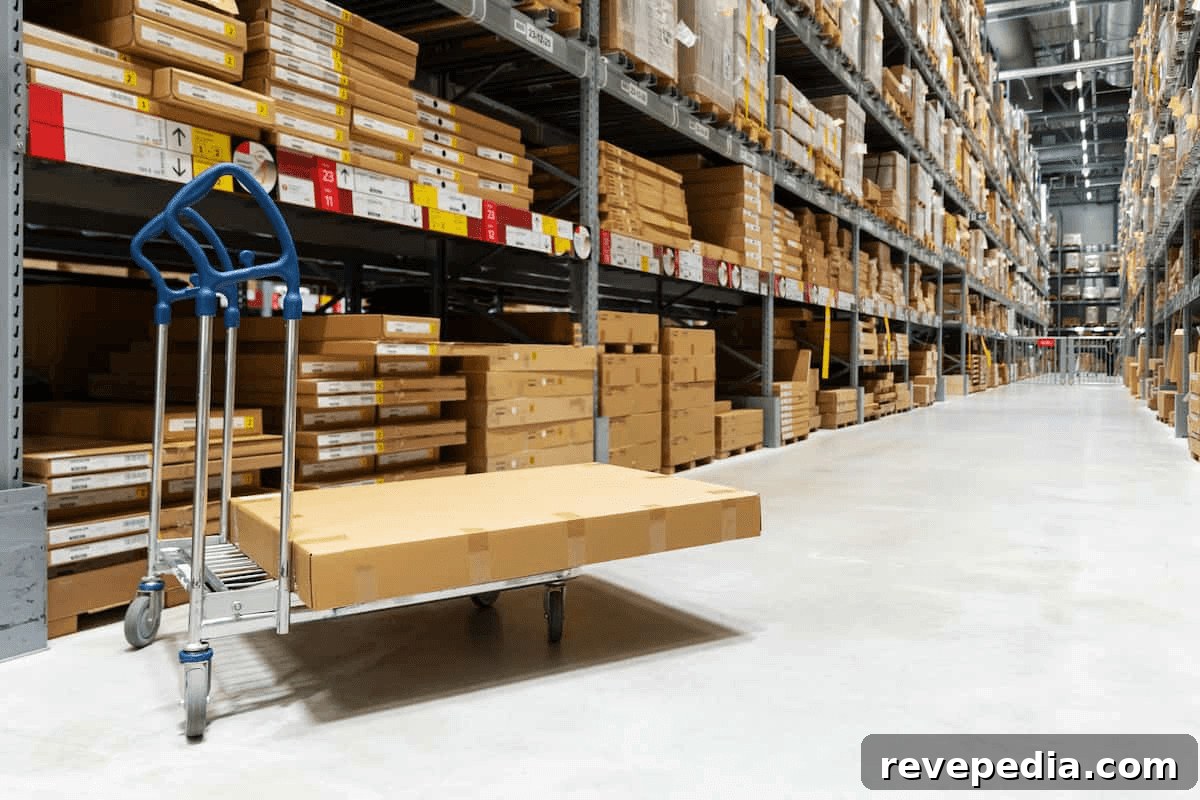
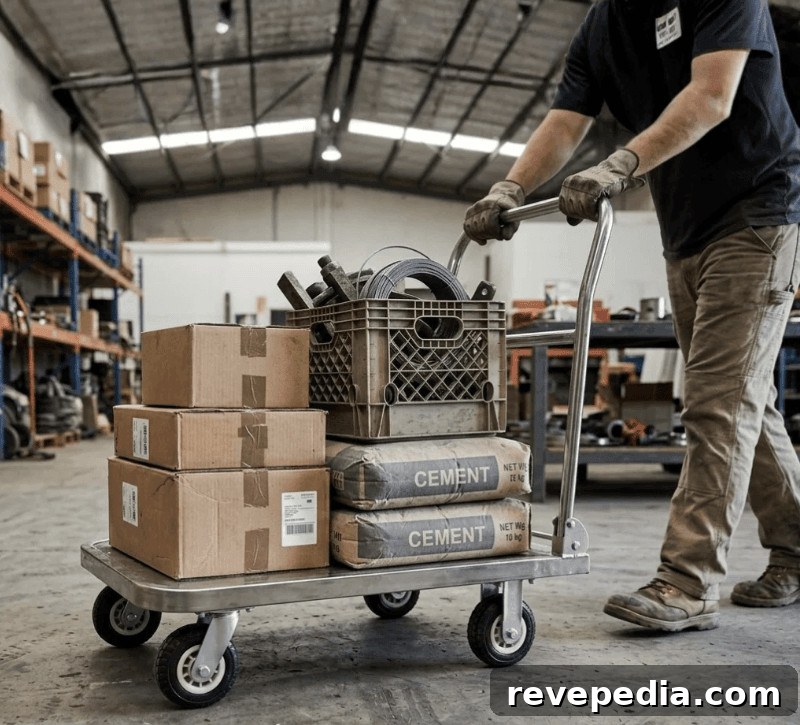
Platform: Also called flatbed trolleys, these have a low, flat loading surface on four castors. They’re ideal for moving boxes, timber, toolboxes, and bulky equipment across workshops and warehouses, offering a stable base for larger or irregular loads.
Hand: Known as sack trucks or hand trucks, these L-shaped frames with two wheels are great for stacked boxes, appliances, and heavy items that would be awkward to carry by hand. They are useful for deliveries and moving equipment around a site.
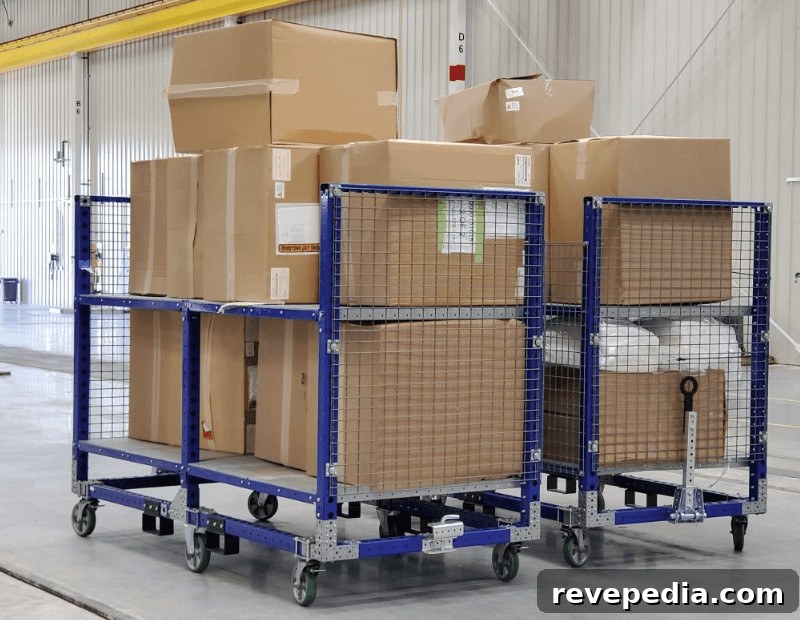
Cage: Cage trolleys feature mesh or solid sides to contain goods during transit. They’re valuable in logistics and stock handling where items might shift or fall without side protection.
Tiered: With two or more shelves, tiered trolleys organise and move smaller items efficiently. They are practical for maintenance, offices, healthcare, and workshops where many small parts need to be transported together.
Service: Service trolleys are tailored to specific tasks. Catering models carry meals and utensils, laundry versions move linen, and utility carts include specialised compartments for cleaning supplies or tools.
Specialised: Folding and convertible models offer flexibility for businesses with limited storage or varying needs. Some hand trucks convert between two-wheel and four-wheel configurations for different load types.
The Dimensions
A trolley’s load capacity is important, but dimensions are equally critical. If a trolley won’t fit through doorways or navigate crowded aisles, it won’t serve its purpose. Measure doorways, corridors, lifts, and storage areas and check for tight corners or obstacles.
Compact trolleys work best in small spaces, while larger platforms make sense in open warehouses. When buying online, rely on manufacturer specifications—height, width, length, and platform dimensions—rather than images alone to ensure the trolley will suit your workspace.
The Load Capacity
Match the trolley’s rated capacity to the weights you typically move. Choosing a model with around 20% more capacity than your usual load gives a useful safety margin for occasional heavier items, but never exceed the manufacturer’s specified limits.
Even within rated capacity, proper weight distribution matters. Place heavier items low and distribute weight evenly to maintain stability and control. Also consider the trolley’s empty weight: heavier frames may be stronger but can be more difficult to manoeuvre or store.
The Wheels
Wheels determine manoeuvrability, ride comfort, noise level, and floor protection. For indoor, smooth floors, smaller polyurethane or thermoplastic rubber wheels offer quiet, smooth rolling and protect flooring. For rough outdoor surfaces, larger wheels—pneumatic or foam-filled—provide cushioning over bumps and uneven ground.
Swivel castors increase manoeuvrability in tight spaces, while fixed wheels improve straight-line stability. Brakes or locking castors are useful to secure the trolley during loading and unloading.
The Materials
Frame materials affect strength, durability, weight, and corrosion resistance. Steel frames deliver strength for heavy-duty work and can be powder-coated for added protection against wear and rust. Aluminium is lighter and naturally corrosion-resistant, making it suitable for lighter duties or environments with moisture exposure.
Evaluate long-term value: a more durable trolley that suits your conditions can reduce maintenance and replacement costs over time.
Choosing the Right Trolley for Safer, Easier Work
Whether organising a garage, moving tools around a workshop, or transporting building materials across a job site, the right trolley reduces physical strain and speeds up work. Before purchasing, consider load weight and size, available space, floor surfaces, and frequency of use. Selecting the appropriate wheels, load capacity, and construction materials will ensure the trolley is easy to use and well suited to your tasks.
A well-chosen, well-built trolley improves safety, protects equipment, and makes everyday material handling more efficient for both workers and workplaces.