
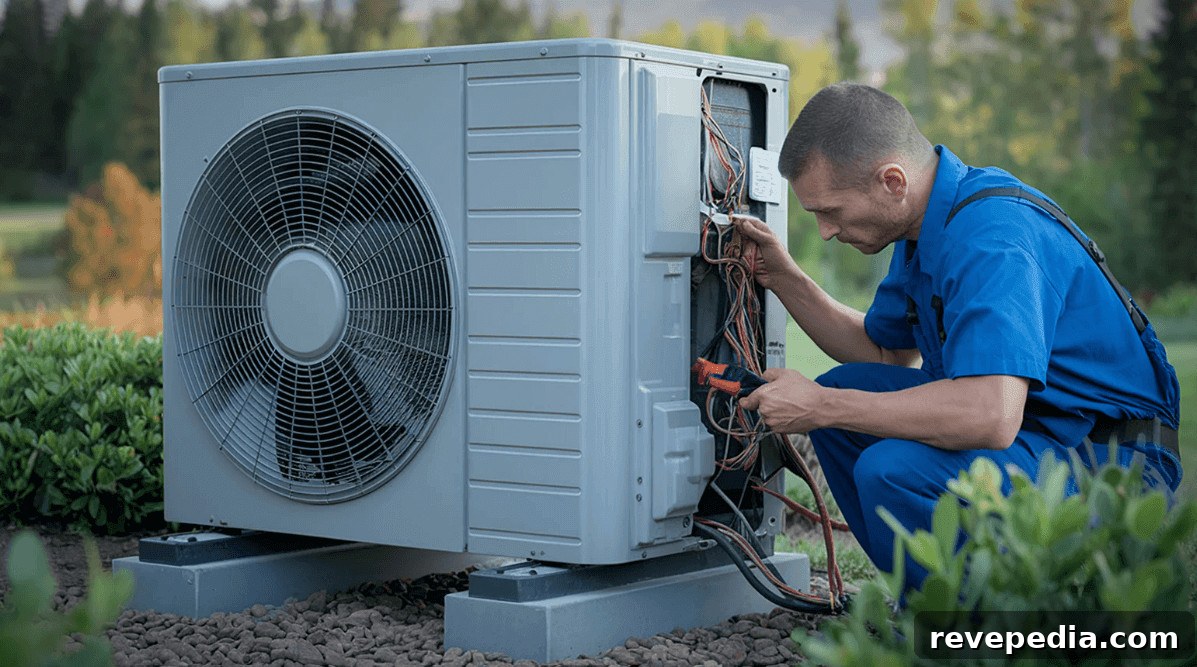
Hidden HVAC issues can leave a home that appears to have a fully functional heating and cooling system struggling to maintain even temperatures. The living room may feel comfortable while an upstairs bedroom turns uncomfortably warm, or a basement remains cold even though the thermostat reads the correct temperature.
These temperature differences occur in both older homes and newer builds. Homeowners often assume the equipment is failing, but the real causes are frequently airflow restrictions, insulation gaps, poor thermostat placement, or design limits that are easy to overlook.
Knowing what causes uneven indoor temperatures helps homeowners choose the right repairs, maintenance, and upgrades. Improving comfort usually means looking beyond just the furnace or air conditioner and considering how the whole building manages air, heat, and moisture.
1. Poor Airflow Leaves Some Rooms Behind
One of the most common causes of uneven temperatures is restricted airflow. Central HVAC systems rely on balanced distribution to maintain comfort throughout a home.
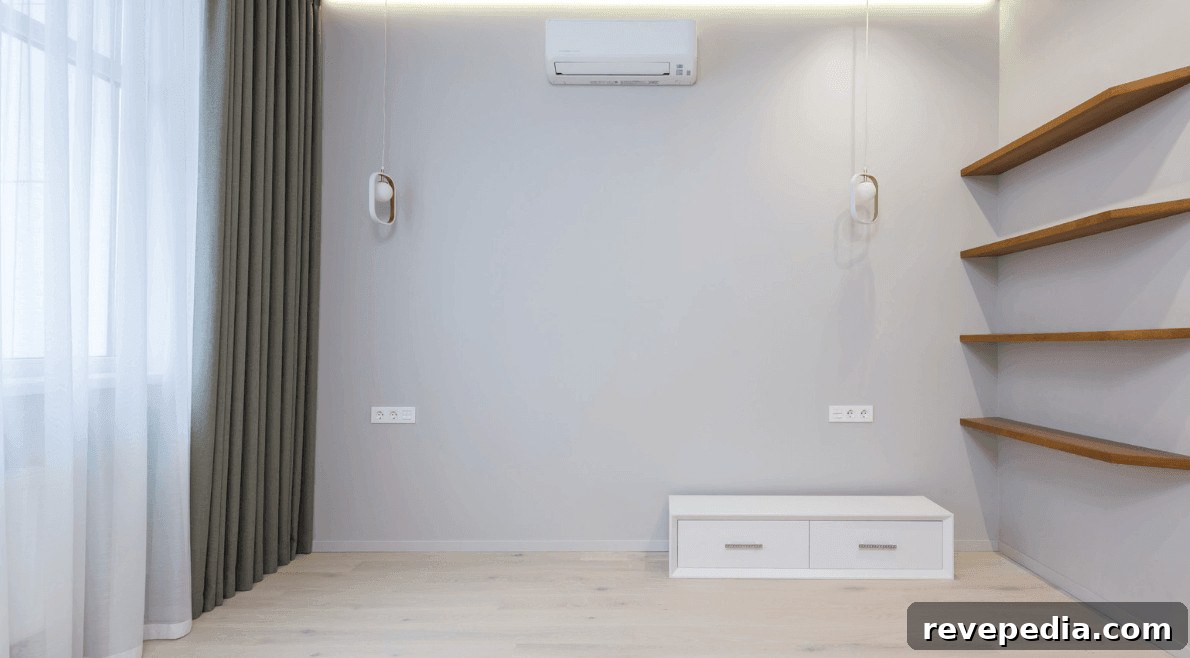
When airflow is limited, distant rooms may receive less conditioned air than spaces near the equipment. Contributing factors include dirty filters, blocked or closed registers, damaged ducts, crushed flexible ductwork, and imbalanced systems. Furniture placed over floor vents can also block circulation.
Start by ensuring supply registers are open and unobstructed and replace filters per manufacturer recommendations. If problems persist, professional evaluation is often needed because simply increasing fan speed or opening all vents won’t fix poor duct design or significant restrictions.
2. Thermostat Location Can Mislead Temperature Control
A thermostat measures temperature at its mounting point, not across the entire house. If that spot is unusually warm or cool, the system can cycle inappropriately.
Thermostats near sunny windows, drafty doors, or heat-producing appliances can give inaccurate readings. For instance, a thermostat in a sunny hallway may cause extended cooling cycles that make shaded bedrooms too cold, while a thermostat near an exterior wall could call for unnecessary heating.
Ideally, a thermostat should be placed on an interior wall away from direct sunlight, drafts, and major heat sources. Using modern thermostats with remote or multiple sensors can improve comfort by averaging temperatures from several rooms.
3. Insulation Gaps Create Uneven Conditions
Even properly sized HVAC equipment struggles when rooms lose or gain heat at different rates. Insulation reduces heat transfer through walls, ceilings, and floors; inconsistent coverage means some rooms react faster to outdoor temperatures.
An upstairs bedroom under a poorly insulated attic will heat up quickly in summer, and a room over an unheated garage can stay cold in winter. Small gaps around attic hatches, recessed lighting, or wall penetrations and unsealed openings allow conditioned air to escape or outside air to enter, worsening the problem.
Professional energy audits, thermal imaging, and air-leak testing can pinpoint weak spots. Addressing insulation and sealing often improves comfort without upsizing HVAC equipment.
4. Hidden Duct Problems Often Go Unnoticed
Ductwork hidden in walls, ceilings, or crawl spaces can develop leaks, disconnections, poor joints, or inadequate insulation. Leaky ducts can dump conditioned air into unconditioned spaces, wasting energy and leaving living areas under-served.
Poor duct design — long runs, too many bends, or undersized passages — increases resistance to airflow. Closing too many registers to force air elsewhere can raise static pressure and reduce system efficiency.
A qualified HVAC technician can measure airflow, inspect ducts, and recommend repairs or rebalancing. Often fixing distribution problems is more effective than replacing otherwise functioning equipment. A steady rise in energy bills with no change in usage may indicate duct leaks or restricted airflow.
5. Upper Floors Experience Different Conditions
Multi-story homes commonly have temperature differences between floors. Warm air rises, and upper levels typically receive more solar heat and can be affected by a hot attic. Lower levels often stay cooler due to less sun exposure and surrounding earth.
A single thermostat controlling the whole house may not adequately respond to these differences. Solutions can include improving attic insulation and ventilation, sealing, balancing airflow, or installing zoning systems tailored to the home layout.
6. Oversized or Undersized Equipment Reduces Comfort
Equipment that’s too large short-cycles, heating or cooling quickly and shutting off before air has circulated evenly. That leads to temperature swings, increased wear, and reduced humidity control. Undersized systems run continuously but still fail to reach setpoints during extreme weather.
Proper sizing requires a load calculation that accounts for insulation, windows, air leakage, orientation, and occupancy. When replacing equipment, request a room-by-room load assessment to ensure consistent comfort.
7. Windows Create Local Hot and Cold Spots
Windows affect comfort both by admitting solar heat and by providing cold surfaces in winter. Large south- or west-facing windows can overload a room with heat in summer, while poorly insulated windows and air leaks create cold drafts in winter.
Window orientation, glazing type, shading, and installation quality determine the impact. Weatherstripping, interior coverings, exterior shade, or targeted sealing can help; in severe cases, window upgrades may be considered after determining the true cause of discomfort.
8. Some Rooms Need Flexible Temperature Control
Rooms added later or located far from the main equipment — finished basements, converted attics, sunrooms — can have unique heating and cooling needs. Extending ducts isn’t always feasible, and ductless systems (mini-splits) can offer direct, zone-specific conditioning without traditional duct runs.
However, ductless equipment must be properly sized, placed, and installed. First, correct any salvageable airflow, insulation, or ductwork issues before adding new systems.
9. Humidity Affects Perceived Comfort
Relative humidity strongly influences how hot or cold a room feels. High humidity makes air feel warmer and stickier, while very low humidity in winter causes dryness and discomfort. Humidity levels can vary between rooms due to moisture sources and ventilation differences.
Use a hygrometer to measure indoor humidity. Solutions may include improved ventilation, dehumidification, sealing, or changes to cooling equipment to control moisture and enhance comfort.
10. Return Air Issues Disrupt Circulation
Supply vents push conditioned air into rooms, but a proper return path is essential for circulation. If a room receives supply air but lacks an adequate return, pressure imbalances can restrict flow — a problem often noticed when doors are closed.
Return pathways can include dedicated registers, transfer grilles, or undercut doors. Any alterations should respect building codes, fire safety, and overall system design. An HVAC professional can evaluate pressure differences and recommend fixes to restore balanced airflow.
11. Room Additions Can Overwhelm Existing Systems
Adding conditioned space without updating HVAC capacity or distribution changes a home’s load. Converted garages, sunrooms, and additions often have different insulation and exposure, so the original system may not be adequate.
Before connecting a new area to existing ducts, evaluate its heat-loss and heat-gain characteristics. Solutions may include improved insulation, ductwork changes, equipment upgrades, or independent temperature control for the new space.
12. Lack of Maintenance Gradually Reduces Performance
Routine maintenance prevents gradual declines in performance. Dirty filters, blocked coils, failing fans, and control issues reduce airflow and system efficiency. Because these changes happen slowly, homeowners may not notice until comfort issues become pronounced.
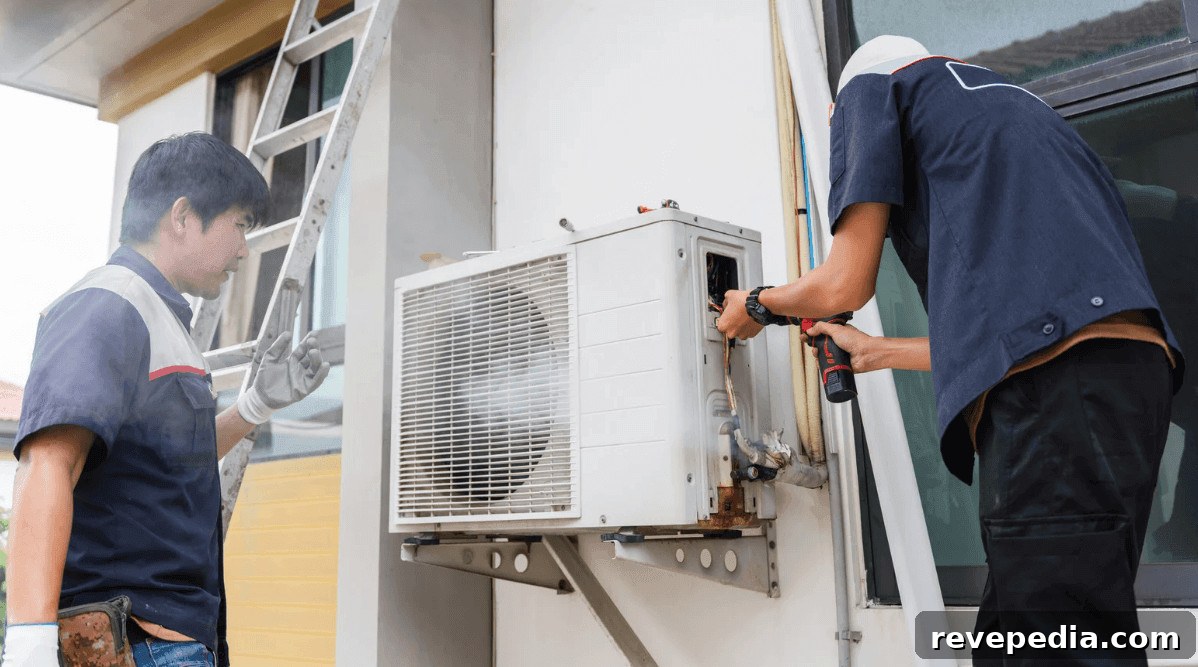
Basic maintenance tasks — replacing filters, keeping registers clear, and maintaining space around outdoor units — help. Technical servicing, refrigerant checks, and internal inspections should be done by qualified technicians. Note that servicing can restore equipment performance, but building or ductwork deficiencies usually require separate fixes.
Unusual noises or smells deserve prompt attention. Rattles, squeals, or bangs can indicate loose parts or airflow problems; burning smells require immediate shutdown and professional evaluation.
13. How to Identify Hidden HVAC Problems
Replacing the HVAC system should not be the first step when rooms are uncomfortable. Start by observing when and where temperature differences occur: is it only on sunny afternoons, at night, or all day? Check registers, filters, windows, and doors. Record temperatures in multiple rooms over several days to spot patterns related to sunlight, equipment cycles, or occupancy.
If issues persist, a professional assessment can include airflow measurements, duct inspections, equipment diagnostics, and building-envelope evaluation to identify the root cause instead of treating symptoms with unnecessary equipment changes.
14. Small Improvements Often Add Up
There is seldom a single fix for uneven temperatures. Combining insulation upgrades, duct repairs, airflow balancing, improved controls, and targeted zoning usually produces the best results. For example, adding cooling to a poorly insulated room may temporarily reduce discomfort, but improving insulation first lowers the long-term cooling demand.
Evaluate the building and mechanical systems together so improvements address the true causes of discomfort and deliver consistent, efficient comfort.
Final Thoughts
Uneven temperatures are frustrating, but they don’t automatically mean the HVAC equipment is failing. Poor airflow, duct leakage, insulation gaps, thermostat placement, window exposure, humidity, and home layout all influence how comfortable individual rooms feel.
Start by understanding why specific spaces behave differently. Routine maintenance and simple airflow or sealing improvements often resolve issues, while persistent problems require professional evaluation and targeted upgrades. A comfortable home depends not just on producing enough warm or cool air, but on delivering and retaining it where it’s needed most.