


Preparing Your Home for Climate Change: Practical Steps to Adapt

featured 33991

Climate patterns are becoming increasingly unpredictable, creating tangible challenges for homeowners. Flooding, extreme heat, more powerful storms, and shifting ground conditions all affect a home’s long-term performance and durability. For property owners and managers, adapting to these changes is no longer optional: it is essential to protecting both the structure and the investment. From reinforced … Read more
Can You Install an Attic Fan Yourself?

img 2256 1

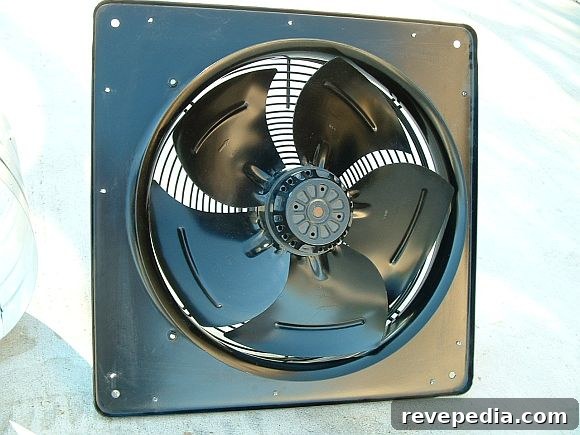
Attic fans are one of those clever home improvements you may not notice until you lack one. In hot weather an attic fan can make a dramatic difference in indoor comfort and energy use. Having grown up in a house with an attic fan, I remember how much cooler the living spaces felt during the … Read more

Step-by-Step Guide to Building a Durable Raised Garden Planter

featured 20309

A raised planter box is a perfect way to introduce children to the responsibility and joy of growing their own food. We wanted a project that our seven-year-old could help build and care for, so we designed a sturdy, long-lasting planter that would be simple to assemble over a weekend. Our previous home lacked both … Read more

Should You Gentrify Your Neighborhood? A DIY Guide for Homeowners

featured 2312

Now that we’ve explored the definition of gentrification, the sociopolitical and economic forces behind it, and the arguments for and against the phenomenon, it’s time to consider what gentrification means for the average DIY homeowner or renovator. Gentrification is often subtle. When you’re excited about a property’s potential, it’s easy to focus on the vision … Read more

Transport Building Materials in Any Weather: Expert Tips & Tools

img 1897 1

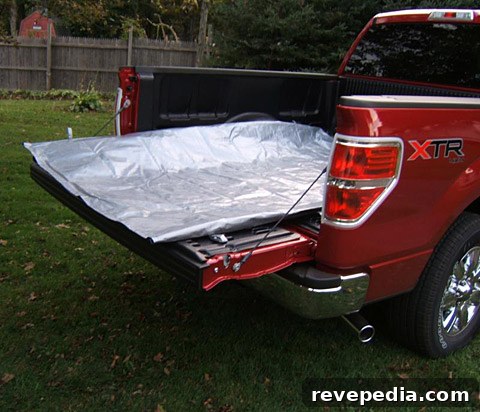
If you transport plywood, drywall, pallets, or even mattresses in the back of a pickup or on an open trailer, keeping those materials dry and protected is essential—especially in regions with frequent rain or snow. When you don’t have a covered bed or cab, exposure to the elements can damage materials, warp sheets, and add … Read more

DIY Furniture from Reclaimed Knock-Off Wood: Step-by-Step Guide

img 1906 1

Shelter blogs often lead you from one great find to another. At some point I discovered Knock-Off Wood, run by Ana White, and it’s worth sharing. Ana is a stay-at-home mom living in rural Alaska with her young daughter. Because many mainstream furnishings aren’t easily shipped to her area, she started building her own versions … Read more

What Determines Roof Replacement Costs?

featured 35327

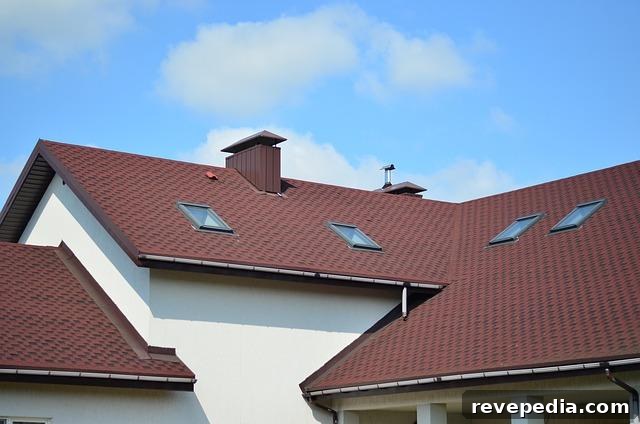
Replacing a roof is one of the largest home improvement investments a homeowner can make. While some roof replacements are straightforward, others vary widely in price depending on several important factors. Many homeowners are surprised to learn that total roof replacement cost depends on more than just roof size. Material choice, labor, structural conditions, weather … Read more

Maximize iPhone Protection with the tech21 Patriot Case

featured 16595

Last month I spent a week using the tech21 Evo Mesh iPhone 6 case, which I liked a lot, and I was initially hesitant to try the tech21 Patriot Case because it’s designed to deliver the maximum protection available. After several days testing the Patriot, I can confidently recommend it to anyone who needs heavier-duty … Read more

Voltage vs Amperage: Which Poses a Greater Risk?

img 2098 1

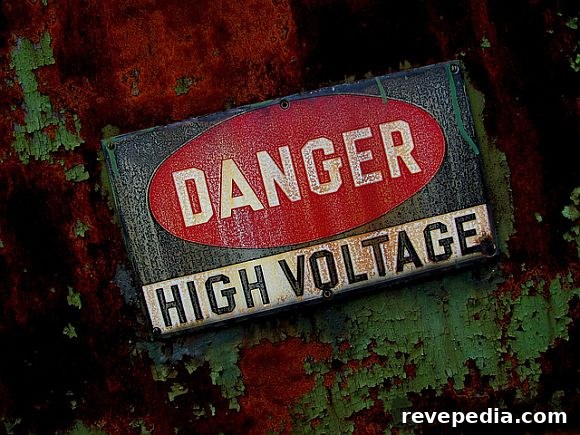
HighVoltage.jpg
Working with electricity demands care and respect. Whenever possible, turn off the power at the breaker box before starting a project so you eliminate the risk of live current causing injury.
Two key properties describe electrical danger: voltage and amperage. Voltage, measured in volts, is the electrical potential that drives current through a circuit. Amperage, measured in amperes (amps), is the amount of current flowing through that circuit.
Which of the two is more dangerous?

Read more

Common HVAC Problems Maitland Homeowners Face and How to Fix Them

featured 34458

Keeping your home cool during hot weather is a top priority, but sometimes HVAC systems struggle to meet demand. Unusual noises, weak airflow, ice on components, or unexpectedly high energy bills are common signs that something’s wrong. Addressing these issues early prevents larger, more costly failures and restores comfort more quickly. Understanding the typical problems … Read more