

There’s no denying that the turbulent economy has taken a heavy toll on publishing, especially for shelter and lifestyle magazines. We’ve watched several well-loved titles—Domino, Blueprint, and Cottage Living—close their doors, and now we must add another to the list: the beloved ReadyMade magazine.
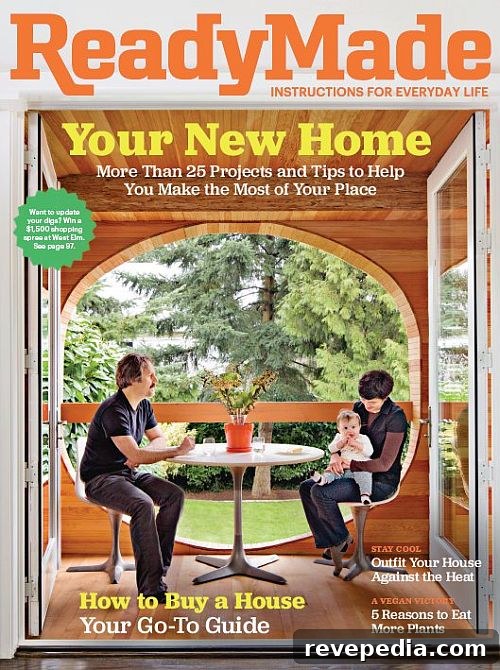
ReadyMade has long been a source of DIY inspiration and creative energy. The magazine and its staff consistently celebrated hands-on projects, clever design, and the kind of imaginative problem-solving that sparks new ideas. Over the years we’ve had the pleasure of featuring ReadyMade several times on C&H: conversations with founder and former editor-in-chief Shoshana Berger; a tour of editor Andrew Wagner’s striking Tribeca loft; and an insider look at ReadyMade’s headquarters guided by our former intern, Lauren Chorpening.
Our founder, Timothy Dahl, even contributed to the RM 100 with a DIY project that became a finalist: his playful yet practical gold sawhorses. Those moments reflect the close connection many of us had with the magazine—both professionally and personally.
Durable Materials for High-Traffic Restrooms: Commercial Renovation Insights

Renovation projects often emphasize aesthetics and functionality, but long-term durability and maintenance efficiency determine how well a space performs over time. Commercial restroom renovations, in particular, offer practical lessons in material selection, maintenance planning, and design strategies for high-traffic environments—insights that apply to many residential and commercial projects where longevity and ease of upkeep matter. … Read more